
 By John
Garden water fountains can transform an ordinary outdoor space into a peaceful and visually appealing retreat. The gentle sound of moving water adds a relaxing atmosphere, while the fountain itself can become an attractive focal point in a flower bed, patio, courtyard, or backyard.
From classic stone fountains to modern sculptural designs, wall-mounted features, bubbling pots, and solar-powered options, there are garden water fountains for almost every landscape style and budget.
What Is a Garden Water Fountain?
A garden water fountain is a decorative outdoor water feature designed to circulate and display water.
Common types include:
- Freestanding fountains
- Wall fountains
- Tiered fountains
- Bubbling pots
- Stone fountains
- Modern fountains
- Solar fountains
- Pond fountains
- DIY water features
The best design depends on the size of your garden, available power, maintenance preferences, and overall landscaping style.
Benefits of Garden Water Fountains
Adding a fountain can:
- Create a relaxing atmosphere
- Add movement to the landscape
- Provide soothing water sounds
- Create a focal point
- Enhance patios and seating areas
- Complement plants and hardscaping
- Add visual interest to small gardens
Water features can also help make an outdoor entertaining area feel more inviting.
1. Small Garden Water Fountain
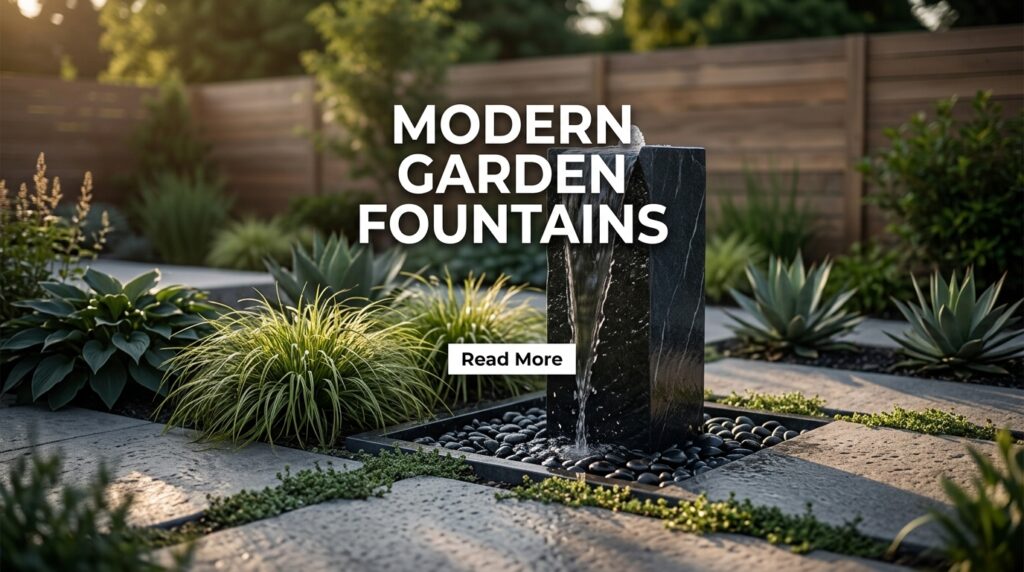
Small fountains are perfect for compact landscapes.
Try:
- Small bubbling pots
- Compact stone fountains
- Tabletop-style outdoor fountains
- Wall-mounted features
- Small ceramic vessels
Place the fountain where it can be enjoyed from a seating area or viewed through a window.
2. Modern Garden Water Fountain
Modern fountains work well in contemporary landscapes.
Consider:
- Geometric basins
- Minimalist water walls
- Concrete fountains
- Sculptural metal features
- Simple bubbling columns
Use clean lines and a limited material palette for a polished appearance.
3. Rustic Garden Water Fountain
Rustic fountains can add character to informal gardens.
Use materials such as:
- Natural stone
- Weathered timber accents
- Aged-looking metal
- Terracotta
- Reclaimed-style vessels
Surround the fountain with natural planting for a relaxed appearance.
4. Stone Garden Water Fountain
Stone is a timeless choice for outdoor water features.
A stone fountain can include:
- Carved basins
- Stacked rocks
- Stone bowls
- Tiered structures
- Natural boulders
Choose a stone type that suits the climate and architectural style of your property.
5. Tiered Garden Fountain
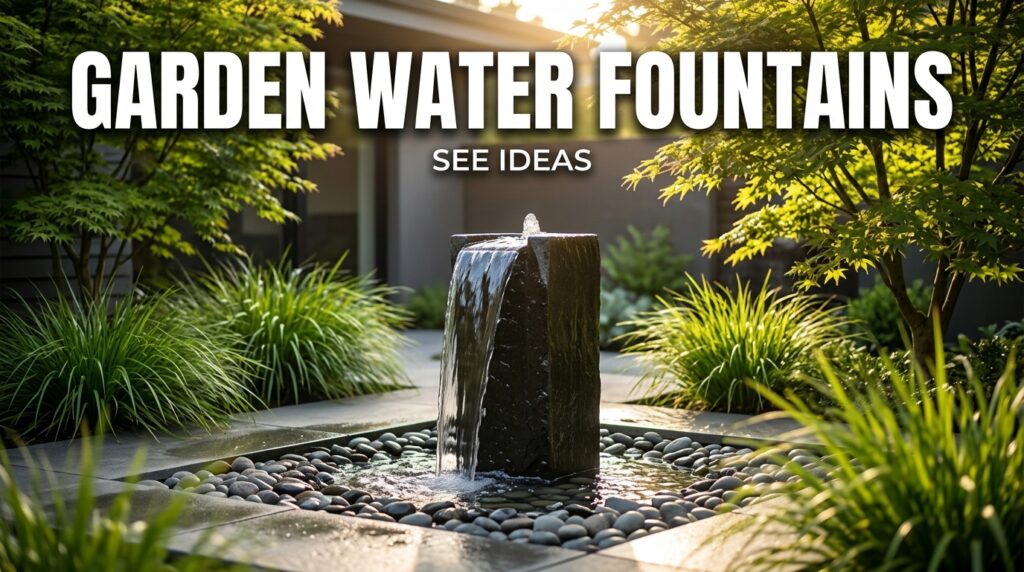
Tiered fountains create movement as water flows from one level to another.
They can be especially effective in:
- Formal gardens
- Courtyards
- Large flower beds
- Traditional landscapes
Use a tiered fountain as a central focal point and frame it with symmetrical planting if you want a formal appearance.
6. Wall Garden Water Fountain
Wall fountains are excellent for gardens where floor space is limited.
Install them against:
- Garden walls
- Courtyard walls
- Patio walls
- Privacy screens
The sound of water can make a small seating area feel more secluded and relaxing.
7. Solar Garden Water Fountain
Solar-powered fountains can reduce the need for a traditional electrical connection.
Benefits can include:
- Flexible placement
- No direct mains connection at the fountain
- Simple operation
- Energy from sunlight
Solar performance depends on sunlight and the design of the particular fountain.
8. Garden Water Fountain With Pond
A fountain can be incorporated into a pond to create movement and sound.
Combine it with:
- Aquatic plants
- Decorative stones
- Water-loving plants
- Natural edging
Keep the pump and fountain appropriately sized for the pond.
9. Garden Water Fountain for a Small Patio
A compact fountain can turn a patio into a relaxing outdoor retreat.
Place it near:
- Outdoor seating
- A dining area
- A garden wall
- Potted plants
Choose a quiet design if the patio is close to living areas.
10. Garden Water Fountain for a Courtyard
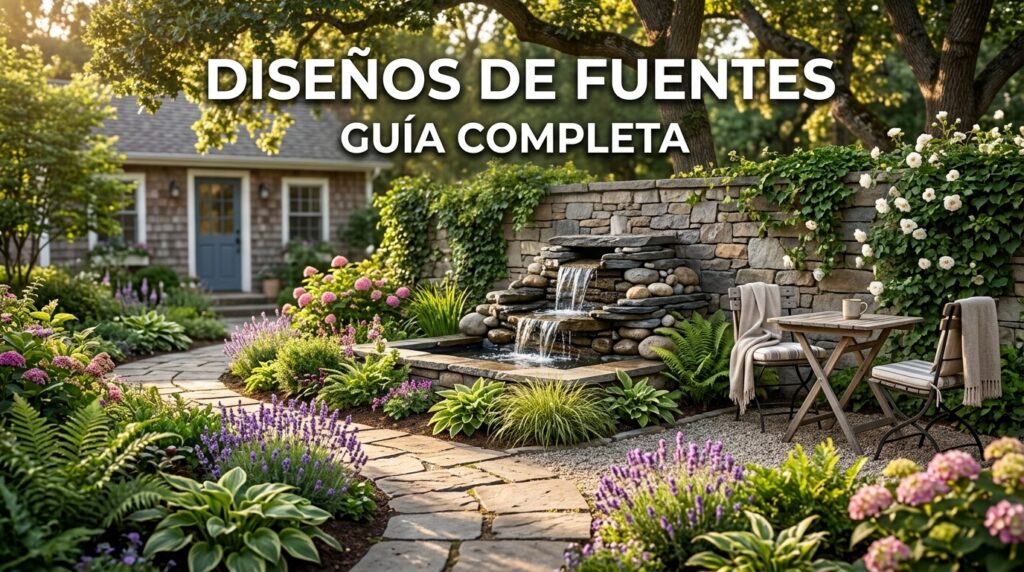
Courtyards can benefit from a central water feature.
Use:
- Wall fountains
- Bowl fountains
- Sculptural fountains
- Small tiered fountains
Surround the feature with paving and simple plants to create a calm focal point.
11. DIY Garden Water Fountain
A DIY fountain can be made from suitable waterproof containers and a small pump.
Potential materials include:
- Ceramic pots
- Stone bowls
- Metal containers
- Large planters
- Recycled suitable vessels
The container must be appropriate for outdoor water use, and the pump should be installed according to its instructions.
12. Bubbling Pot Garden Fountain
A bubbling pot creates a simple water feature without requiring a large pond.
Use:
- One large pot
- A small submersible pump
- A suitable reservoir
- Decorative stones
The bubbling water provides gentle movement while the container adds visual interest.
13. Garden Fountain With Rocks
Rocks can make a fountain appear more natural.
Place stones around:
- The water basin
- Pump housing
- Fountain base
- Surrounding planting
Use different sizes and textures to create a natural composition.
14. Garden Fountain With Flowers
Flowers can soften the hard lines of a fountain.
Plant around it with suitable:
- Perennials
- Annual flowers
- Ornamental grasses
- Groundcovers
Leave enough space around the fountain for maintenance and access.
15. Garden Fountain With Tropical Plants
A water feature can enhance a tropical-inspired garden.
Surround it with suitable:
- Large-leaved plants
- Ferns
- Palms
- Tropical-looking flowers
Select plants according to your local climate and moisture conditions.
16. Japanese Garden Water Fountain
Water features are natural additions to Japanese-inspired gardens.
Consider:
- Stone basins
- Bamboo-inspired water features
- Simple bubbling fountains
- Natural rock arrangements
Keep the design restrained and allow open space around the water feature.
17. Zen Garden Water Fountain
A simple water feature can complement the quiet atmosphere of a Zen-inspired landscape.
Use:
- Natural stone
- Gravel
- Minimal planting
- Simple water movement
Avoid overcrowding the space with multiple decorative features.
18. Contemporary Water Wall
A water wall can become a dramatic architectural feature.
Use:
- Stone
- Concrete
- Tile
- Glass
- Metal
- Other suitable waterproof materials
Water walls work particularly well behind outdoor seating areas.
19. Garden Fountain With Lights
Lighting can make a fountain attractive after sunset.
Use suitable outdoor-rated:
- Submersible lights
- Spotlights
- Path lights
- Wall lights
Avoid exposed electrical connections and use qualified professionals for electrical installation where appropriate.
20. Garden Fountain Near a Seating Area
One of the best locations for a fountain is near an outdoor seating area.
The sound of moving water can create a relaxing backdrop for:
- Reading
- Dining
- Conversation
- Meditation
- Entertaining
Make sure splashing doesn’t reach furniture or create slippery surfaces.
21. Garden Fountain Near an Entrance
A fountain near the entrance can create a welcoming first impression.
Place it beside:
- Front pathways
- Garden gates
- Entry courtyards
- Porch areas
Frame it with symmetrical or coordinated planting.
22. Garden Fountain as a Focal Point
A fountain can serve as the centerpiece of your landscape.
Use surrounding elements to draw attention toward it:
- Pathways
- Flower beds
- Gravel
- Lighting
- Trees
- Seating
Keep competing focal points to a minimum.
23. Garden Fountain With Gravel
Gravel creates a clean and low-maintenance setting for a water feature.
Try combining:
- Decorative gravel
- Large rocks
- A bubbling pot
- Low-growing plants
Choose gravel that complements the fountain’s material.
24. Garden Fountain With Natural Stone
For a natural landscape, use irregular stone around the fountain.
Blend the water feature into the planting rather than creating a sharply defined border.
This approach works particularly well for woodland, cottage, and naturalistic gardens.
25. Garden Fountain for a Cottage Garden
A classic stone or aged-style fountain can complement a cottage garden.
Surround it with abundant flowers, soft foliage, and informal pathways.
Avoid overly geometric layouts if you want a relaxed cottage appearance.
26. Garden Fountain for a Formal Garden
Formal landscapes benefit from symmetry and strong structure.
Use:
- Tiered fountains
- Geometric basins
- Symmetrical planting
- Straight pathways
- Clipped hedges
A centrally positioned fountain can reinforce the formal garden layout.
27. Garden Fountain on a Budget
You can create a beautiful water feature without investing in a large fountain.
Try:
- A bubbling container
- A small solar fountain
- A simple recirculating pump
- A repurposed suitable vessel
Prioritize reliable waterproof components and safe installation.
28. Garden Water Fountain With Repurposed Containers
Old containers can sometimes become decorative fountain elements.
Potential options include:
- Suitable ceramic pots
- Large planters
- Stone vessels
- Weather-resistant containers
Only reuse containers whose materials and previous contents are known to be safe for the intended use.
29. Garden Fountain for Wildlife
If your goal is to support wildlife, consider a shallow water feature or bird-friendly basin rather than a fast-flowing ornamental fountain.
Provide:
- Shallow areas
- Safe access points
- Stones for perching
- Clean water
Keep wildlife water features clean and monitor them regularly.
30. Garden Fountain With a Waterfall
A small waterfall can add movement and sound to a larger landscape.
Use:
- Natural rocks
- Stone slabs
- A pond basin
- Suitable aquatic plants
Ensure water flows safely and that the structure is properly supported.
How to Choose a Garden Water Fountain
Consider Garden Size
Choose a fountain that fits the scale of your landscape.
Decide on the Style
Match the fountain to your home’s architecture and garden design.
Think About Sound
Some fountains create a gentle trickle while others produce stronger water sounds.
Check Power Requirements
Determine whether you need mains electricity, solar power, or another suitable system.
Plan Maintenance
Consider cleaning, pump maintenance, water replacement, and seasonal care.
Think About Safety
Place fountains where they don’t create trip hazards or unsafe access to deep water, especially around children and pets.
How to Install a Simple Garden Fountain
Step 1: Choose the Location
Select a level area close to the intended power source or suitable sunlight for solar equipment.
Step 2: Prepare the Base
Create a stable, level foundation appropriate for the fountain.
Step 3: Position the Reservoir
If the fountain uses a hidden reservoir, install it securely and ensure it remains accessible for maintenance.
Step 4: Install the Pump
Follow the manufacturer’s instructions for pump placement and connections.
Step 5: Add Water
Fill the system to the recommended level.
Step 6: Test the Flow
Check that water circulates correctly and doesn’t splash outside the intended area.
Step 7: Add Surrounding Materials
Use rocks, gravel, plants, or paving to integrate the fountain into the garden.
Garden Fountain Maintenance Tips
Regular care can help keep your water feature attractive.
- Remove leaves and debris
- Clean the basin
- Check the pump
- Monitor water levels
- Inspect hoses and connections
- Clean algae when necessary
- Protect equipment according to seasonal requirements
Follow the manufacturer’s maintenance instructions for your specific fountain and pump.
Common Garden Water Fountain Mistakes
Choosing the Wrong Size
An oversized fountain can overwhelm a small garden.
Poor Placement
Avoid locations where splashing damages walls, furniture, or plants.
Ignoring Water Loss
Outdoor fountains can lose water through evaporation and splashing.
Neglecting the Pump
Pumps require regular inspection and cleaning.
Poor Electrical Installation
Outdoor electrical equipment needs appropriate weather protection and safe installation.
Forgetting Winter Conditions
In freezing climates, water and pumps may require seasonal protection or removal.
Frequently Asked Questions
What is the best fountain for a small garden?
Compact bubbling pots, wall fountains, and small recirculating fountains are excellent choices for limited spaces.
Are solar garden fountains worth it?
Solar fountains can be convenient where sufficient sunlight is available and can simplify placement by reducing dependence on a nearby mains connection.
How do I keep a garden fountain clean?
Regularly remove debris, clean the basin and pump, monitor water quality, and follow the fountain manufacturer’s maintenance instructions.
Where should I place a garden fountain?
Place it where it can be seen and heard from a seating area or important garden viewpoint, while avoiding locations where splashing creates slippery surfaces or damages nearby materials.
Can I make a garden fountain myself?
Yes. Small recirculating fountains can be created from suitable waterproof containers and an appropriately rated pump.
Conclusion
Garden water fountains are a beautiful way to introduce movement, sound, and visual interest into an outdoor space. Whether you prefer a modern water wall, rustic stone fountain, Japanese-inspired basin, bubbling pot, solar fountain, or classic tiered feature, the right design can transform the atmosphere of your garden.
Choose a fountain that matches your available space, landscaping style, maintenance preferences, and practical requirements. Add suitable plants, stone, gravel, lighting, or seating to integrate the feature into the surrounding landscape.
With thoughtful placement and regular maintenance, a garden fountain can become a peaceful focal point that makes your outdoor space more relaxing and enjoyable.