
 By John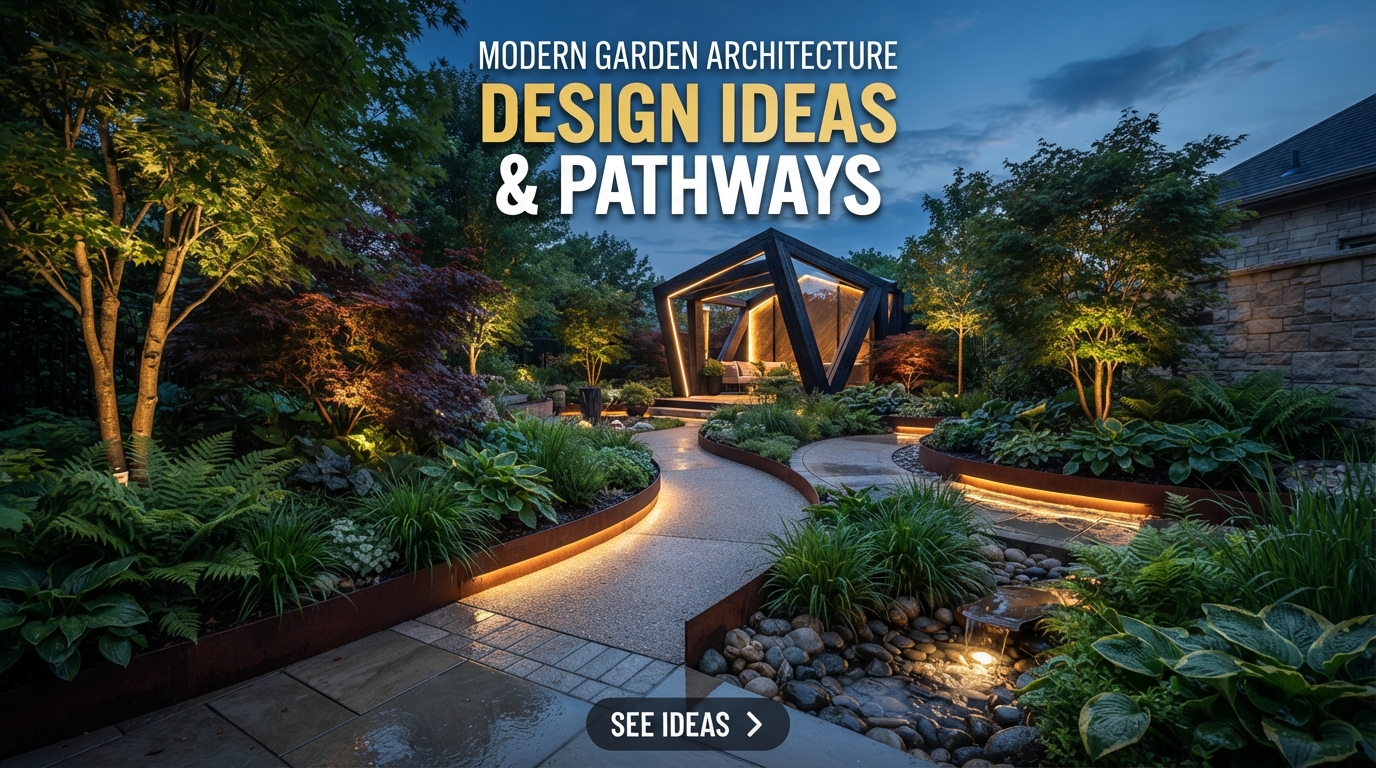
Garden architecture brings structure, character, and purpose to outdoor spaces by combining landscape design with architectural elements. From pergolas and garden walls to pathways, courtyards, arches, water features, terraces, and garden rooms, architectural details can transform a simple garden into a carefully designed outdoor environment.
Unlike planting-focused landscapes, garden architecture considers how people move through and use a space. It creates focal points, defines different garden rooms, frames views, adds privacy, and establishes a strong relationship between the home and its surrounding landscape.
What Is Garden Architecture?
Garden architecture is the planning and design of architectural features within a garden or landscape.
It can include:
- Garden walls
- Pergolas
- Arbors
- Gazebos
- Garden rooms
- Pathways
- Terraces
- Courtyards
- Steps
- Bridges
- Gates
- Fences
- Water features
- Outdoor kitchens
- Seating structures
The goal is to make outdoor spaces attractive, functional, and visually connected to the architecture of the property.
Why Is Garden Architecture Important?
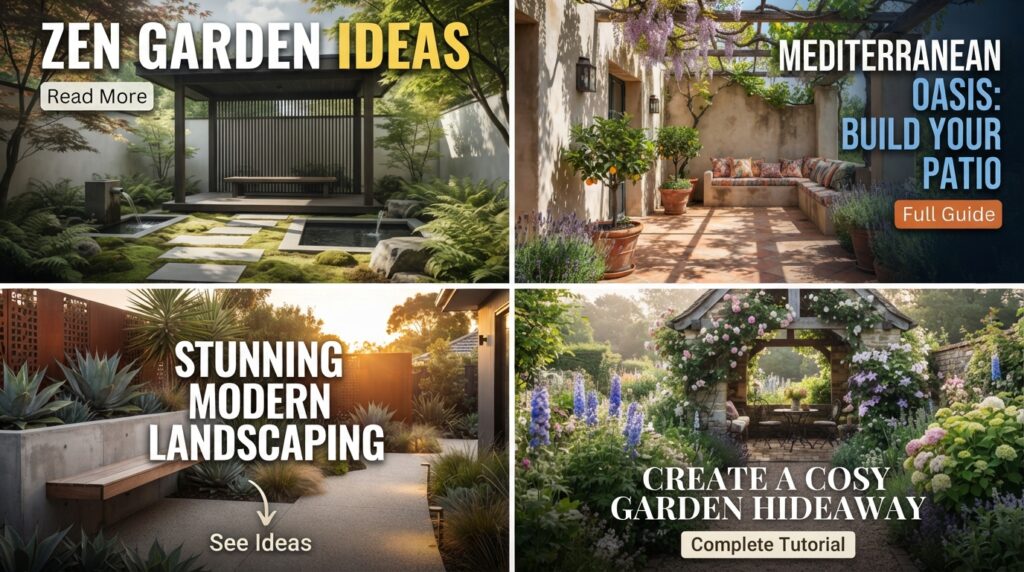
Architectural elements can give a garden a clear sense of organization.
They can:
- Define outdoor rooms
- Create focal points
- Improve circulation
- Provide privacy
- Add shade
- Frame garden views
- Connect indoor and outdoor spaces
- Add visual structure
- Increase usable outdoor space
Even a small architectural feature can have a major effect on the appearance of a garden.
Garden Architecture and Landscape Design
Garden architecture and landscape planting work best together.
Architecture provides:
Structure → Form → Boundaries → Circulation
Plants provide:
Color → Texture → Seasonal Interest → Softness
Combining both creates a more complete landscape.
Garden Walls
Garden walls can define boundaries and create a sense of enclosure.
Use walls for:
- Privacy
- Retaining slopes
- Creating courtyards
- Framing entrances
- Supporting planting
- Separating garden rooms
Materials can include brick, stone, concrete, rendered masonry, or other suitable exterior materials.
Modern Garden Architecture
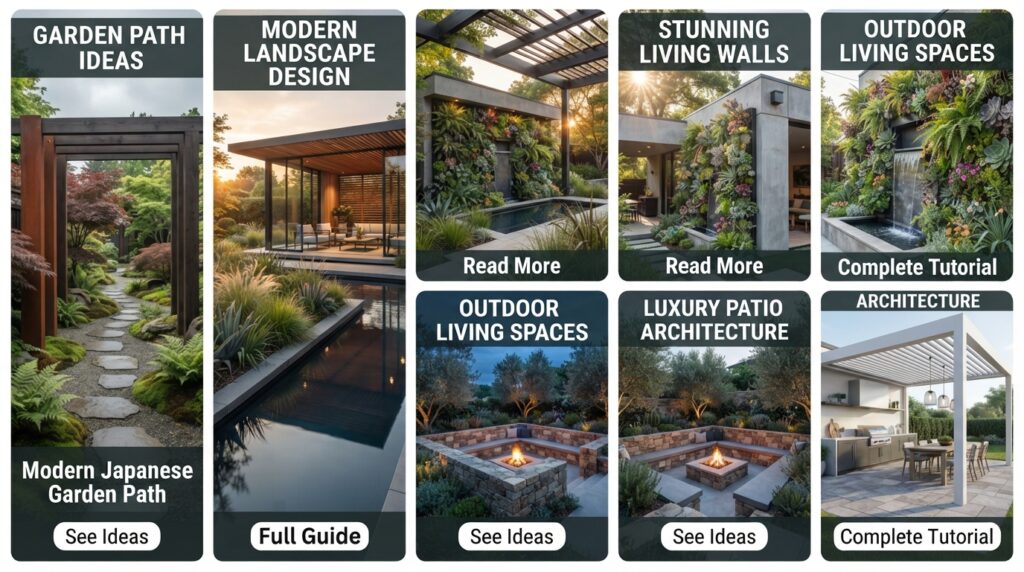
Modern garden architecture often emphasizes clean lines and simple forms.
Popular elements include:
- Concrete walls
- Geometric paving
- Timber screens
- Minimalist pergolas
- Linear water features
- Architectural planting
- Built-in seating
Keep materials and colors consistent to create a sophisticated contemporary appearance.
Traditional Garden Architecture
Traditional landscapes can use architectural details inspired by historical garden styles.
Consider:
- Formal hedges
- Stone walls
- Classical gates
- Arches
- Symmetrical paths
- Decorative fountains
- Formal terraces
The architectural style should complement the home’s existing character.
Garden Architecture for Small Spaces
Small gardens benefit greatly from architectural planning.
Use:
- Vertical screens
- Built-in benches
- Compact pergolas
- Narrow pathways
- Raised beds
- Wall-mounted planters
- Mirrors where appropriate
Instead of filling the space with many individual features, choose a few strong architectural elements.
Garden Pergolas
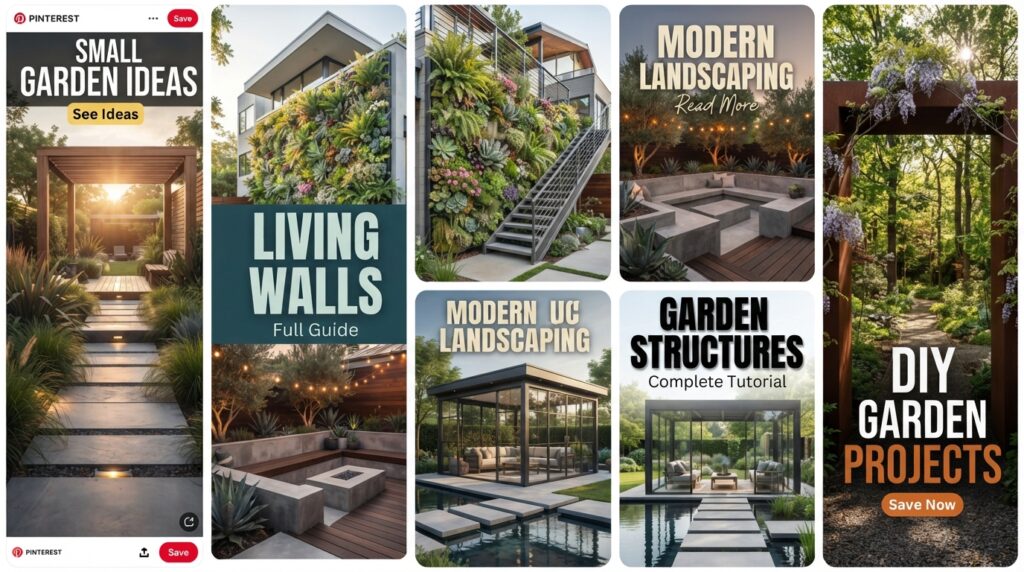
A pergola can define an outdoor room while providing partial shade.
Use one for:
- Dining
- Lounging
- Outdoor kitchens
- Garden entrances
- Climbing plants
Wood, metal, and composite materials can all work depending on the design and climate.
Garden Arbors
An arbor creates a strong entrance or transition between garden areas.
Decorate it with suitable climbing plants such as:
- Roses
- Clematis
- Jasmine
- Honeysuckle
- Vines
Choose plants based on local growing conditions and the structure’s load capacity.
Garden Rooms
Garden rooms divide a large landscape into smaller destinations.
Possible garden rooms include:
- Dining areas
- Reading spaces
- Meditation gardens
- Outdoor kitchens
- Children’s areas
- Vegetable gardens
- Entertainment zones
Use walls, hedges, screens, paths, or changes in paving to establish boundaries.
Garden Architecture With Pathways
Pathways are both functional and architectural.
They can guide people toward:
- Entrances
- Seating areas
- Water features
- Garden sculptures
- Outdoor rooms
- Viewpoints
Choose pathway materials that complement the house and garden.
Popular options include:
- Stone
- Brick
- Concrete
- Gravel
- Timber
- Porcelain paving
Garden Steps and Terraces
Sloping landscapes can benefit from architectural terracing.
Terraces can:
- Create usable levels
- Control changes in elevation
- Define planting zones
- Provide seating areas
- Improve garden circulation
Retaining walls and steps should be properly designed for drainage, stability, and local conditions.
Garden Architecture With Water
Water features can serve as architectural focal points.
Consider:
- Reflecting pools
- Fountains
- Water walls
- Narrow channels
- Formal ponds
- Cascades
Geometric water features often work particularly well in modern landscapes.
Garden Bridges
A bridge can connect different parts of a landscape while adding visual interest.
Use a bridge over:
- Ponds
- Streams
- Dry creek beds
- Gravel areas
- Decorative landscape features
Choose a design that fits the scale and architectural style of the garden.
Garden Gates
A gate creates a transition from one space to another.
Styles include:
- Wooden gates
- Metal gates
- Arched gates
- Minimalist gates
- Decorative garden gates
Frame the gate with planting to make the entrance feel more intentional.
Garden Fences and Screens
Fences and screens provide privacy while helping define garden rooms.
Consider:
- Timber slats
- Lattice
- Metal screens
- Masonry walls
- Living screens
- Climbing plants
Use materials that complement the house rather than making the garden feel disconnected.
Garden Architecture With Stone
Stone is one of the most versatile architectural materials.
Use it for:
- Walls
- Pathways
- Steps
- Terraces
- Seating
- Edging
- Water features
Natural stone can create a timeless appearance, while cut stone can create a more formal look.
Garden Architecture With Wood
Wood brings warmth to architectural landscapes.
Use timber for:
- Pergolas
- Decks
- Screens
- Bridges
- Benches
- Garden rooms
- Raised beds
Choose outdoor-rated materials and provide appropriate drainage and maintenance.
Garden Architecture With Metal
Metal can introduce a modern or decorative character.
Use it for:
- Screens
- Gates
- Pergolas
- Sculptures
- Railings
- Garden structures
Powder-coated or appropriately treated materials can help improve outdoor durability.
Garden Architecture and Planting
Planting should support the architectural framework.
Use plants to:
- Soften walls
- Frame entrances
- Highlight pathways
- Create privacy
- Add seasonal color
- Emphasize focal points
Evergreen plants can provide year-round structure, while flowering plants add seasonal interest.
Formal Garden Architecture
Formal gardens often rely on symmetry, geometry, and repetition.
Typical features include:
- Straight pathways
- Clipped hedges
- Geometric beds
- Fountains
- Terraces
- Formal trees
- Symmetrical entrances
French and Italian-inspired landscapes often use strong architectural geometry.
Japanese-Inspired Garden Architecture
Japanese-inspired landscapes tend to emphasize simplicity and natural materials.
Use:
- Timber bridges
- Stone pathways
- Simple gates
- Bamboo screens
- Water features
- Gravel
- Carefully placed rocks
Keep the composition restrained and avoid unnecessary decoration.
Cottage Garden Architecture
Cottage landscapes can use softer architectural features.
Try:
- Picket fences
- Wooden arches
- Rustic gates
- Pergolas
- Small benches
- Stone pathways
Surround structures with abundant informal planting.
Garden Architecture for Entertaining
Architectural planning can make outdoor entertaining easier.
Create connected zones for:
- Dining
- Cooking
- Lounging
- Swimming
- Fire features
- Garden activities
Keep the most frequently used areas close to the house and provide clear pathways between them.
Garden Architecture and Outdoor Kitchens
An outdoor kitchen can become a functional architectural centerpiece.
Include:
- Countertops
- Storage
- Cooking equipment
- Sink
- Dining area
- Shade structure
Use materials designed for outdoor exposure and provide appropriate utility connections.
Garden Architecture With Lighting
Lighting highlights architectural features after dark.
Use lighting to emphasize:
- Walls
- Steps
- Pathways
- Trees
- Pergolas
- Water features
- Sculptures
Prioritize visibility and safety around stairs, transitions, and walking routes.
Sustainable Garden Architecture
Sustainable garden architecture can reduce resource use while improving the landscape.
Consider:
- Locally sourced materials
- Permeable paving
- Rainwater management
- Reclaimed materials where appropriate
- Shade structures
- Native or climate-adapted plants
- Efficient irrigation
Plan drainage carefully so water is directed appropriately rather than toward buildings or neighboring properties.
Garden Architecture on a Budget
Architectural landscaping doesn’t always require a major renovation.
Start with:
- A simple pathway
- A small pergola
- A garden screen
- A built-in bench
- A defined planting bed
- A decorative gate
Choose one major feature and repeat its materials elsewhere for a cohesive appearance.
How to Plan Garden Architecture
Step 1: Study the Property
Consider the home’s architecture, garden size, sunlight, slope, views, and existing features.
Step 2: Identify Garden Zones
Decide where you want dining, seating, planting, paths, privacy, and entertainment areas.
Step 3: Establish Circulation
Plan how people will move between the house and different garden rooms.
Step 4: Choose Architectural Materials
Select a limited palette of stone, wood, metal, concrete, brick, or other suitable materials.
Step 5: Add Focal Points
Use a pergola, sculpture, water feature, tree, wall, or architectural structure as a destination.
Step 6: Integrate Planting
Soften hard surfaces with plants while preserving important architectural lines.
Step 7: Add Lighting
Use subtle lighting to make the garden functional and attractive after sunset.
Common Garden Architecture Mistakes
Ignoring the Home’s Style
Garden architecture should feel connected to the building.
Using Too Many Materials
Too many finishes can make a landscape feel disjointed.
Poor Scale
Large structures can overwhelm small gardens.
Forgetting Drainage
Walls, paving, and terraces need proper water management.
Blocking Important Views
Structures should frame views rather than accidentally hide them.
Overcomplicating the Layout
A simple plan is often more effective than a crowded design.
Frequently Asked Questions
What is garden architecture?
Garden architecture is the design and integration of structural features such as walls, pathways, pergolas, terraces, gates, water features, and garden rooms within a landscape.
What is the difference between garden architecture and landscaping?
Garden architecture focuses strongly on built structures, spatial organization, and circulation, while landscaping includes the broader design of plants, terrain, hardscape, and outdoor spaces.
What architectural features work best in small gardens?
Pergolas, screens, built-in seating, narrow pathways, raised beds, and vertical structures can work especially well in compact spaces.
How can I make my garden look more architectural?
Use strong lines, repeated materials, defined garden rooms, structured planting, pathways, walls, and one or two carefully chosen focal features.
Is garden architecture expensive?
It can range from simple DIY features to large professional landscape projects. Starting with one architectural element can create a significant visual impact without redesigning the entire garden.
Conclusion
Garden architecture gives an outdoor space structure, personality, and purpose. Whether you prefer a modern courtyard, formal European landscape, Japanese-inspired retreat, cottage garden, or contemporary backyard, architectural elements can help organize the space and create memorable outdoor rooms.
Begin with the relationship between your home and garden, then plan pathways, boundaries, seating, planting zones, and focal points. Use a consistent material palette and prioritize drainage, safety, durability, and practical circulation. With thoughtful planning, garden architecture can transform an ordinary landscape into a beautiful and functional extension of the home.