
 By John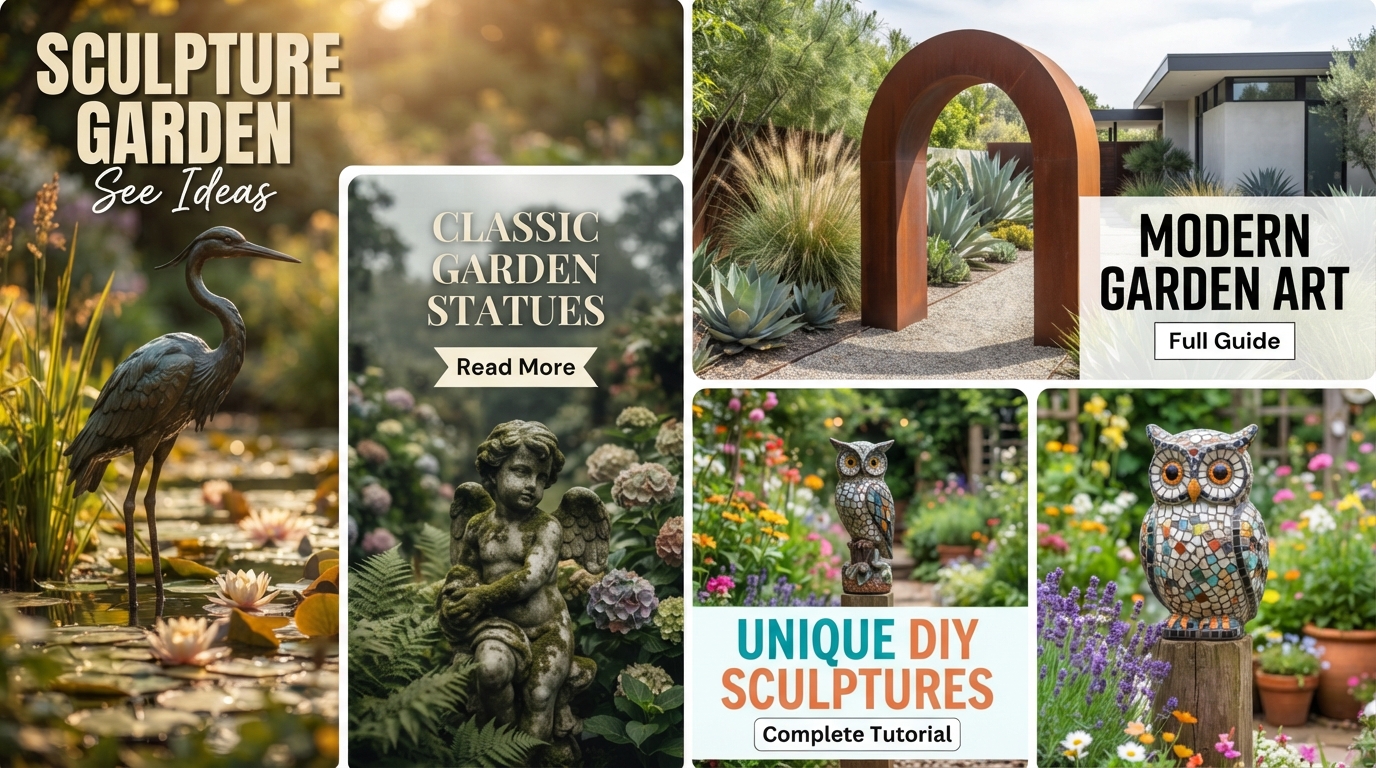
A garden sculpture can transform an ordinary outdoor space into a memorable landscape filled with character, creativity, and visual interest. Whether you prefer modern metal art, classic stone statues, abstract pieces, or whimsical sculptures, the right artwork can become a strong focal point while complementing flowers, trees, pathways, and outdoor seating.
Garden sculptures don’t have to dominate the landscape. A carefully positioned piece can quietly enhance a planting border, fill an empty corner, frame an entrance, or add personality to a small courtyard.
What Is a Garden Sculpture?
Garden sculpture is outdoor artwork designed to enhance a landscape.
Popular styles include:
- Metal sculptures
- Stone statues
- Abstract artwork
- Animal sculptures
- Modern geometric pieces
- Classical statues
- Wooden sculptures
- Ceramic art
- Whimsical garden ornaments
Choose artwork that complements your home’s architecture and overall garden style.
Why Add a Garden Sculpture?
A sculpture can:
- Create a focal point
- Add personality
- Fill an empty space
- Provide year-round interest
- Complement plants
- Define a garden room
- Add height and structure
Unlike seasonal flowers, many sculptures remain visible throughout the year.
Choose a Garden Sculpture Style
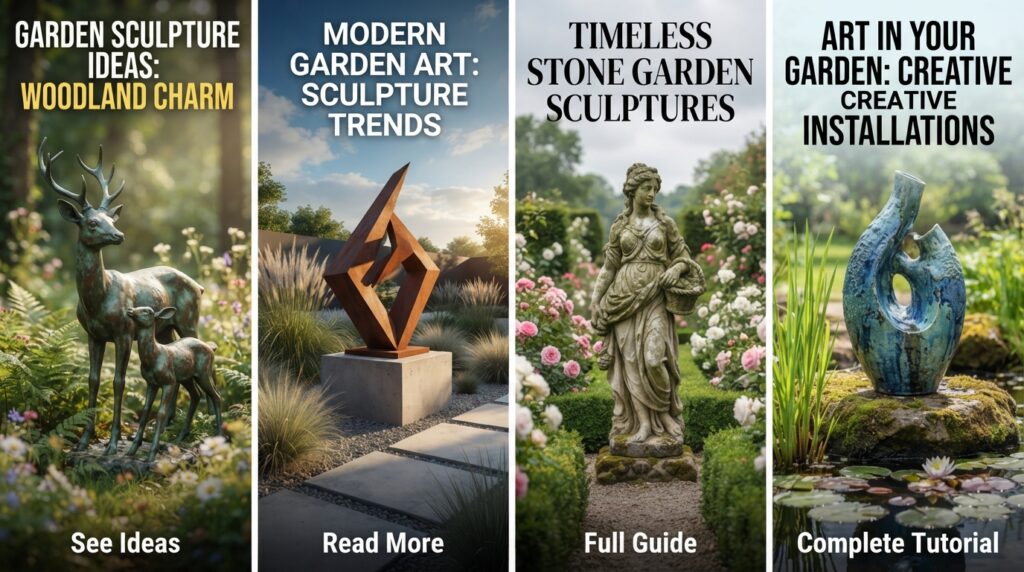
Modern Garden Sculpture
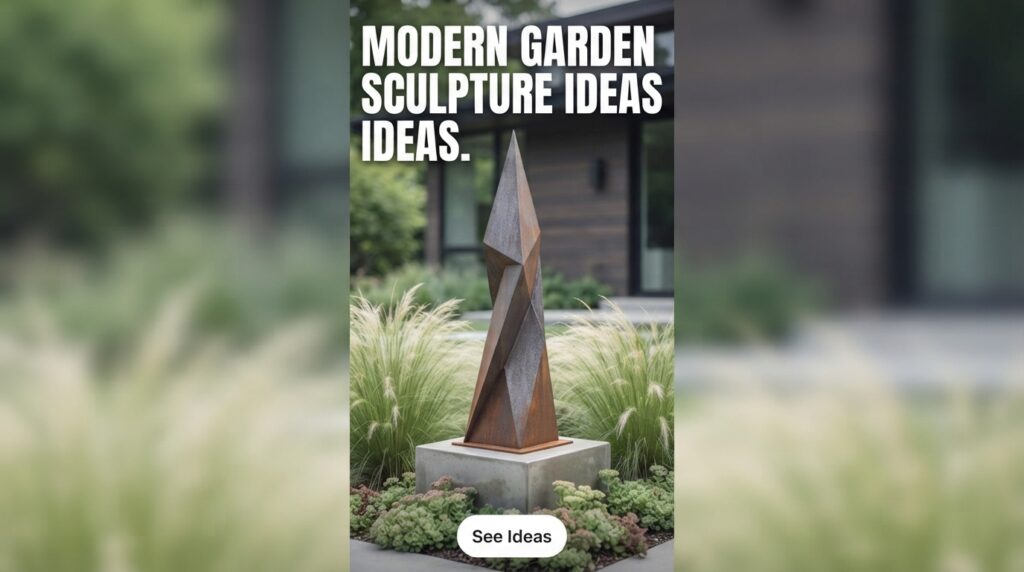
Modern landscapes work well with clean shapes and minimalist artwork.
Consider:
- Geometric metal forms
- Abstract sculptures
- Simple stone structures
- Contemporary outdoor art
Keep surrounding planting relatively restrained so the sculpture remains prominent.
Rustic Garden Sculpture
Rustic designs pair naturally with informal landscapes.
Use:
- Weathered metal
- Reclaimed wood
- Natural stone
- Handmade ceramics
These materials work particularly well in cottage and farmhouse gardens.
Whimsical Garden Sculpture
For a playful landscape, choose imaginative artwork.
Ideas include:
- Fairies
- Frogs
- Birds
- Butterflies
- Mushrooms
- Snails
- Fantasy creatures
Place small sculptures among plants so they feel like discoveries.
Classical Garden Sculpture
Traditional statues can add timeless elegance.
Use them near:
- Formal flower beds
- Hedges
- Garden entrances
- Fountains
- Symmetrical pathways
Choose proportions that suit the size of the garden.
Garden Sculpture Materials

Material affects both appearance and durability.
Metal
Metal can create striking contemporary or traditional designs.
Popular options include:
- Steel
- Aluminum
- Copper
- Bronze
Select finishes suitable for outdoor exposure and your local climate.
Stone
Stone offers a natural and timeless appearance.
Options may include:
- Granite
- Limestone
- Sandstone
- Slate
Stone can be heavy, so ensure the installation area is stable.
Wood
Wooden sculptures provide warmth and organic texture.
Use appropriately durable wood and outdoor finishes where necessary.
Ceramic
Ceramic sculptures can add color and artistic detail but may require protection from freezing temperatures or severe weather.
How to Choose the Right Size
Scale matters.
A small sculpture can disappear in a large garden, while an oversized piece can overwhelm a compact courtyard.
Consider:
- Garden dimensions
- Mature plant height
- Viewing distance
- Surrounding architecture
- Sculpture proportions
Step back from the installation area before deciding on the final size.
Best Places to Put a Garden Sculpture
At the End of a Path
A sculpture creates a destination and encourages visitors to walk through the garden.
Among Flower Beds
Place artwork slightly above or within planting to create layers.
Beside a Tree
A sculpture can contrast beautifully with natural bark and foliage.
In a Courtyard
A central sculpture can become the main focal point.
Near a Water Feature
Combining sculpture and water creates movement, reflection, and sound.
At a Garden Entrance
Use a pair of sculptures to frame an entryway when appropriate.
Use Sculpture as a Focal Point
A focal point attracts attention and gives the garden a visual anchor.
To make a sculpture stand out:
- Give it enough surrounding space
- Use contrasting foliage
- Frame it with plants
- Position it along a sightline
- Illuminate it subtly at night
Avoid hiding an important sculpture behind dense planting.
Garden Sculpture With Plants
Plants can soften hard artwork and integrate it into the landscape.
Try surrounding sculptures with:
- Ornamental grasses
- Ferns
- Lavender
- Groundcovers
- Flowering perennials
- Shrubs
Choose plants that complement rather than completely conceal the artwork.
Garden Sculpture for Small Spaces
Small gardens can benefit from carefully chosen vertical artwork.
Consider:
- Wall sculptures
- Tall narrow pieces
- Small statues
- Hanging metal art
- Compact abstract sculptures
Use vertical space to add interest without taking up much ground area.
Garden Sculpture Around a Patio
A sculpture can make an outdoor seating area feel more like a designed room.
Place artwork:
- Behind seating
- Beside a patio entrance
- Near a planter
- At the edge of a lawn
Coordinate its material with furniture and paving.
Garden Sculpture and Lighting
Outdoor lighting can make sculpture visible after sunset.
Use:
- Ground spotlights
- Low-voltage landscape lighting
- Solar lights
- Wall lighting
Aim lighting carefully to avoid glare and highlight the shape or texture of the artwork.
DIY Garden Sculpture Ideas
You can create outdoor art yourself.
Recycled Metal Art
Repurpose suitable metal objects into abstract or nature-inspired artwork.
Painted Stone Sculpture
Stack or arrange suitable stones to create a simple artistic focal point.
Wooden Garden Art
Use weather-resistant wood to create geometric shapes, signs, or natural sculptures.
Mosaic Sculpture
Decorate a suitable outdoor object with weather-resistant mosaic materials.
Always make sure DIY pieces are structurally stable and safe.
Garden Sculpture on a Budget
You don’t need expensive artwork to create a beautiful landscape.
Save money by:
- Creating DIY sculptures
- Shopping secondhand
- Repurposing suitable materials
- Using small statement pieces
- Searching for local artisans
- Building sculptures from natural stone
A thoughtfully positioned inexpensive piece can have more impact than an expensive sculpture placed without considering the landscape.
Garden Sculpture for Different Garden Styles
Cottage Garden
Choose rustic metalwork, birds, botanical designs, or weathered stone.
Japanese-Inspired Garden
Use simple stone forms, lanterns, and restrained natural materials.
Modern Garden
Choose abstract metal and geometric sculptures.
Mediterranean Garden
Try stone, terracotta, and classical-inspired forms.
Fairy Garden
Use miniature houses, mushrooms, fairies, and woodland creatures.
Garden Sculpture Maintenance
Outdoor artwork requires care depending on its material.
Regularly:
- Remove dirt and debris
- Check for rust
- Inspect mounting points
- Clean surfaces appropriately
- Refinish materials when necessary
- Check for damage after severe weather
Follow the manufacturer’s care instructions whenever available.
Common Garden Sculpture Mistakes
Choosing the Wrong Scale
Make sure the artwork fits the garden.
Overcrowding
Too many sculptures can compete for attention.
Ignoring the Background
Consider what will be visible behind the sculpture.
Poor Installation
Heavy pieces must be securely positioned.
Using Unsuitable Materials
Some materials deteriorate quickly outdoors.
Hiding the Artwork
Don’t allow plants to completely obscure the main feature.
Frequently Asked Questions
What is the best material for garden sculptures?
Metal, stone, and properly treated outdoor materials can be excellent choices. The best option depends on your climate, maintenance preferences, and garden style.
Where should I place a garden sculpture?
Good locations include the end of a pathway, within a flower border, near a tree, beside a water feature, or in a courtyard.
How do I make a sculpture stand out?
Give it breathing room, frame it with plants, create contrast with the background, and use subtle lighting.
Can I make my own garden sculpture?
Yes. Reclaimed metal, wood, stones, and suitable outdoor materials can be used for creative DIY projects.
How many sculptures should a garden have?
There is no fixed number. Start with one strong focal piece and add additional artwork only when it improves the overall composition.
Conclusion
Garden sculpture is an excellent way to bring art, personality, and structure into an outdoor landscape. Whether you choose a dramatic modern metal piece, a traditional stone statue, or a playful DIY creation, the right sculpture can turn an ordinary garden into a distinctive and memorable space.
Think about scale, placement, materials, and the surrounding planting before installing your artwork. With careful positioning and thoughtful maintenance, a garden sculpture can remain a beautiful focal point throughout every season.