
 By John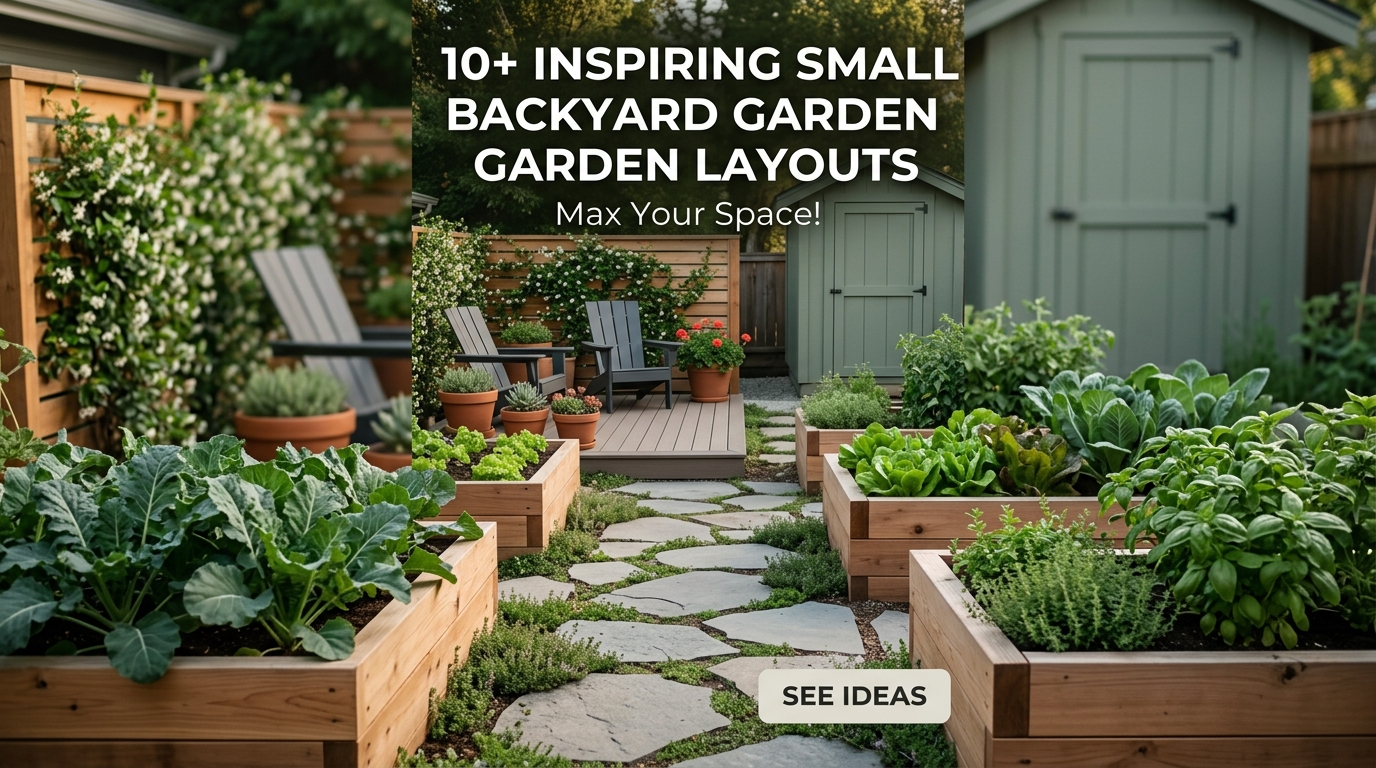
Designing the perfect garden starts with a thoughtful layout. Whether you have a small backyard, a sprawling landscape, or a compact courtyard, the right garden layout can maximize space, improve functionality, and create a visually stunning outdoor retreat.
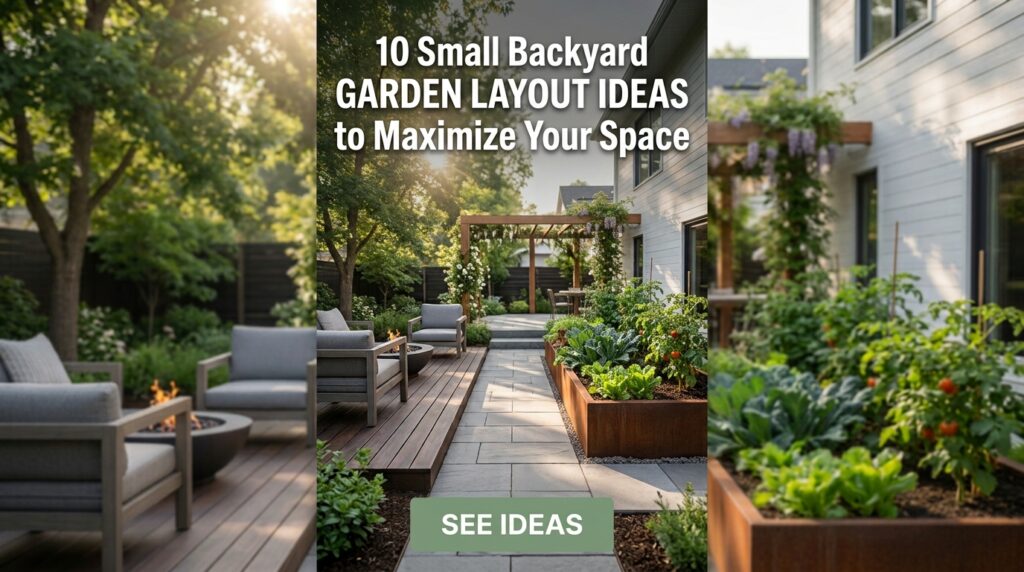
A well-planned garden layout considers pathways, seating areas, planting zones, and focal points to ensure every part of the space serves a purpose. From modern minimalist designs to charming cottage gardens, there are countless ways to arrange your outdoor space to suit your lifestyle and preferences.
Why Is Garden Layout Important?
A good garden layout helps:
- Improve flow and accessibility
- Maximize available space
- Create visual balance
- Simplify maintenance
- Enhance functionality
- Increase property appeal
Planning your layout before planting can save both time and money.
Popular Garden Layout Styles
Formal Garden Layout
Features include:
- Symmetrical designs
- Straight pathways
- Geometric flower beds
- Structured hedges
Formal gardens create a polished and elegant appearance.
Cottage Garden Layout
Include:
- Curved paths
- Mixed flower borders
- Climbing plants
- Informal planting schemes
This layout feels relaxed, colorful, and inviting.
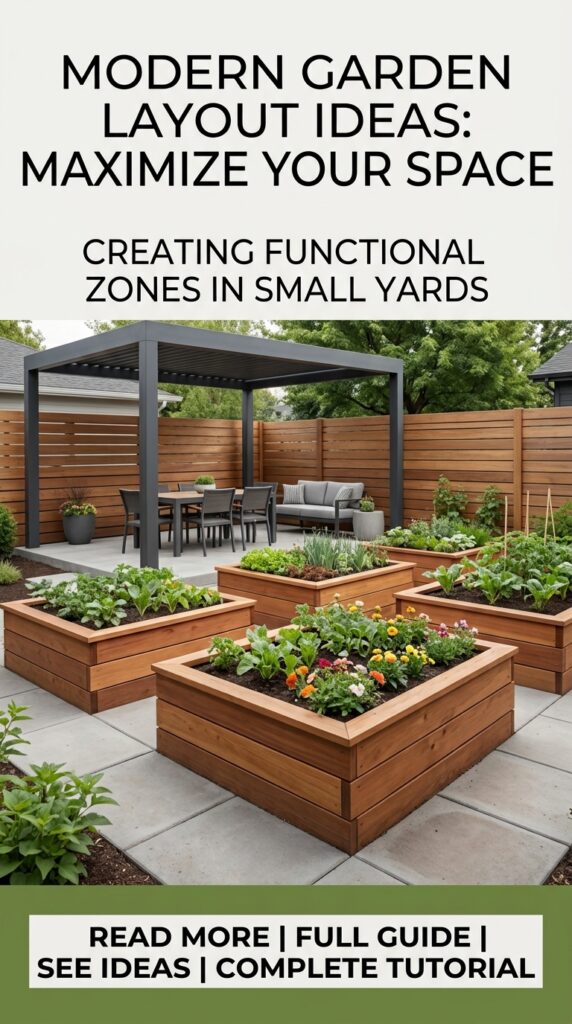
Modern Garden Layout
Characteristics:
- Clean lines
- Minimalist planting
- Large pavers
- Outdoor living spaces
Modern layouts are ideal for contemporary homes.
Mediterranean Garden Layout
Add:
- Gravel paths
- Terracotta pots
- Olive trees
- Drought-tolerant plants
Japanese Garden Layout
Incorporate:
- Water features
- Stone lanterns
- Bamboo
- Carefully placed rocks
Japanese gardens emphasize harmony and tranquility.
Key Elements of a Garden Layout
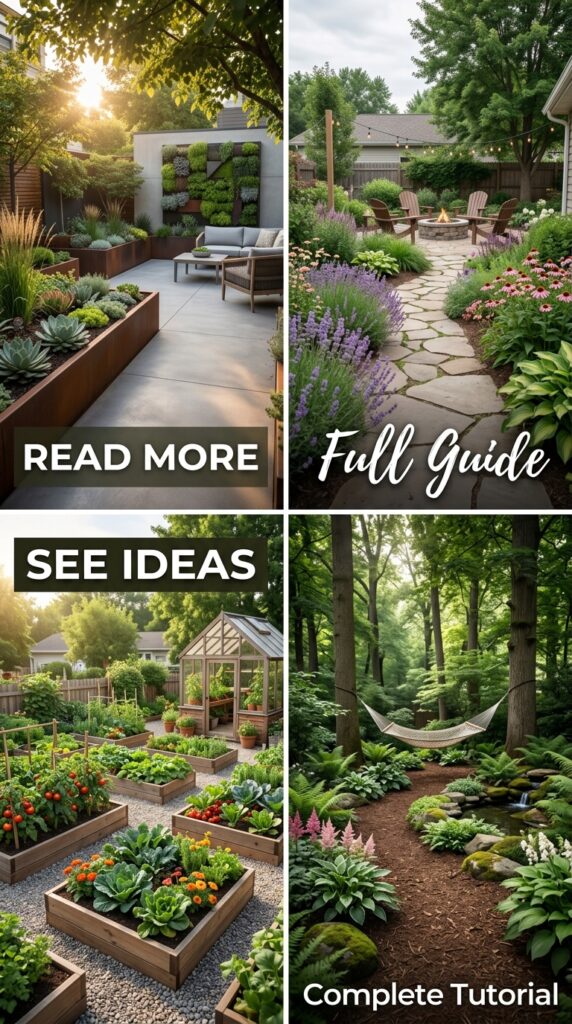
Pathways
Guide movement through the garden using:
- Gravel
- Brick
- Natural stone
- Concrete pavers
Seating Areas
Create spaces for relaxation with:
- Benches
- Dining sets
- Hammocks
- Pergolas
Planting Zones
Group plants based on:
- Sunlight requirements
- Water needs
- Height and spread
Focal Points
Popular focal points include:
- Water features
- Sculptures
- Fire pits
- Garden arches
Small Garden Layout Ideas
Vertical Gardening
Use walls and fences for:
- Hanging baskets
- Trellises
- Wall planters
Multi-Functional Spaces
Choose furniture that offers storage or multiple uses.
Create Zones
Divide the garden into:
- Dining area
- Planting section
- Relaxation corner
Use Mirrors
Mirrors can make small gardens appear larger and brighter.
Large Garden Layout Ideas
If you have more space, consider:
- Outdoor kitchens
- Vegetable gardens
- Garden rooms
- Wildlife areas
- Ponds
Large gardens benefit from distinct zones connected by pathways.
Vegetable Garden Layout Ideas
Popular layouts include:
- Raised beds
- Square-foot gardening
- Potager gardens
- Spiral herb gardens
Keep edible plants close to the house for convenience.
Family-Friendly Garden Layout
Include:
- Open lawn space
- Play equipment
- Durable plants
- Shaded seating
A family-focused design balances beauty with practicality.
Garden Layout Tips
Start with a Plan
Sketch your garden before making changes.
Consider Sunlight
Observe how sunlight moves throughout the day.
Think About Maintenance
Choose a layout that suits your available time and budget.
Use Layered Planting
Arrange plants by height for a more natural appearance.
Leave Room to Grow
Allow enough space for plants to mature.
Common Garden Layout Mistakes
Overcrowding
Avoid placing too many features in one area.
Ignoring Scale
Large features can overwhelm small spaces.
Poor Path Placement
Ensure pathways are practical and easy to navigate.
Lack of Focal Points
Every garden benefits from at least one standout feature.
Forgetting Seasonal Interest
Include plants and elements that look attractive year-round.
Garden Layout Ideas by Shape
Rectangular Gardens
- Use long borders.
- Add a central pathway.
- Create distinct zones.
Square Gardens
- Place a focal point in the center.
- Use symmetrical planting.
Narrow Gardens
- Incorporate vertical elements.
- Use diagonal pathways to create the illusion of width.
Corner Gardens
- Add seating.
- Use layered planting to maximize space.
Frequently Asked Questions
How do I design my garden layout?
Start by measuring your space, identifying sunlight patterns, and sketching a plan that includes pathways, planting areas, and focal points.
What is the best layout for a small garden?
Vertical gardening, clear zoning, and multi-functional furniture are ideal for small spaces.
How can I make my garden look more organized?
Use defined borders, pathways, and a consistent planting scheme.
What is a garden focal point?
A focal point is a feature that draws attention, such as a fountain, sculpture, or seating area.
Should I plan my garden before planting?
Yes. Planning ensures a cohesive design and helps avoid costly mistakes.
Conclusion
Garden layout ideas are the foundation of every successful outdoor space. Whether you’re designing a compact courtyard or a sprawling landscape, a thoughtful layout helps maximize beauty, functionality, and enjoyment.
By incorporating pathways, seating areas, focal points, and well-planned planting zones, you can create a garden that reflects your personal style and meets your practical needs. With careful planning and a touch of creativity, your dream garden is well within reach.