 By John
An herb garden is one of the easiest and most rewarding ways to bring fresh flavors, delightful fragrances, and natural beauty into your home and outdoor space. Whether you have a large backyard, a small balcony, or simply a sunny windowsill, herbs are versatile, low-maintenance plants that thrive in a variety of environments.
From culinary favorites like basil and rosemary to medicinal herbs such as chamomile and mint, an herb garden offers endless benefits. Not only can you harvest fresh ingredients for cooking, but you can also create a beautiful and functional garden that attracts pollinators and enhances your outdoor living area.
Why Grow an Herb Garden?
Herb gardens are popular for many reasons:
- Fresh ingredients year-round
- Low maintenance requirements
- Pleasant fragrances
- Space-saving options
- Pollinator-friendly plants
- Cost savings on store-bought herbs
Many herbs are easy to grow, making them ideal for beginner gardeners.
Best Herbs to Grow
Basil
Perfect for:
- Pasta dishes
- Salads
- Pesto
Basil prefers warm weather and plenty of sunlight.
Mint
Benefits include:
- Fast-growing
- Refreshing aroma
- Great for teas and desserts
Plant mint in containers to prevent it from spreading aggressively.
Rosemary
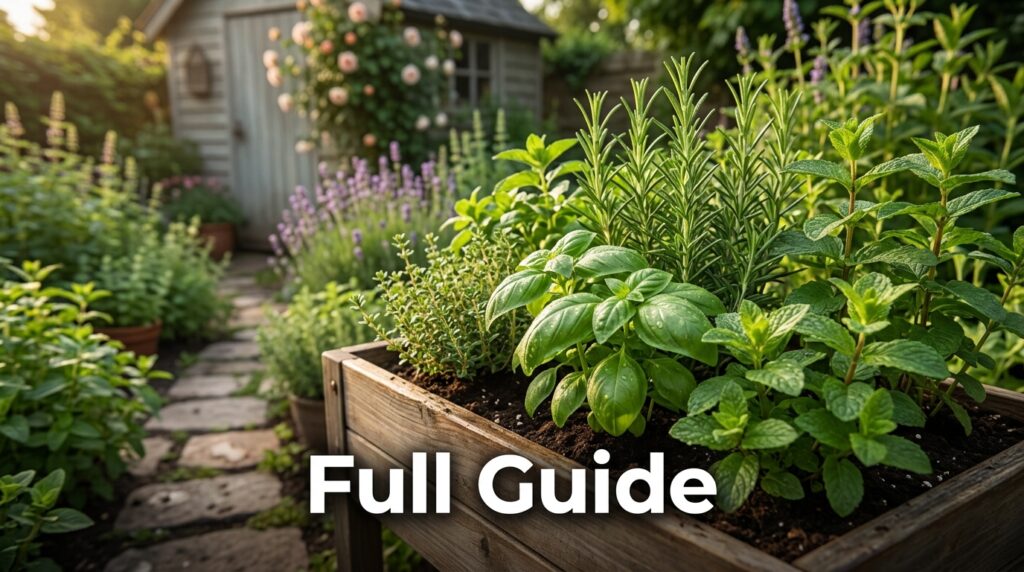
Rosemary is:
- Drought tolerant
- Evergreen
- Excellent for roasting dishes
Thyme
A versatile herb that works well in both gardens and containers.
Parsley
Popular in many cuisines and rich in vitamins.
Chives
Easy to grow and ideal for garnishing soups, salads, and baked potatoes.
Oregano
A must-have herb for Mediterranean and Italian cooking.
Lavender
While often ornamental, lavender is also used in teas, baking, and home décor.
Types of Herb Gardens
Kitchen Herb Garden
Plant herbs close to your kitchen for easy access.
Popular choices:
- Basil
- Parsley
- Chives
- Cilantro
Raised Bed Herb Garden
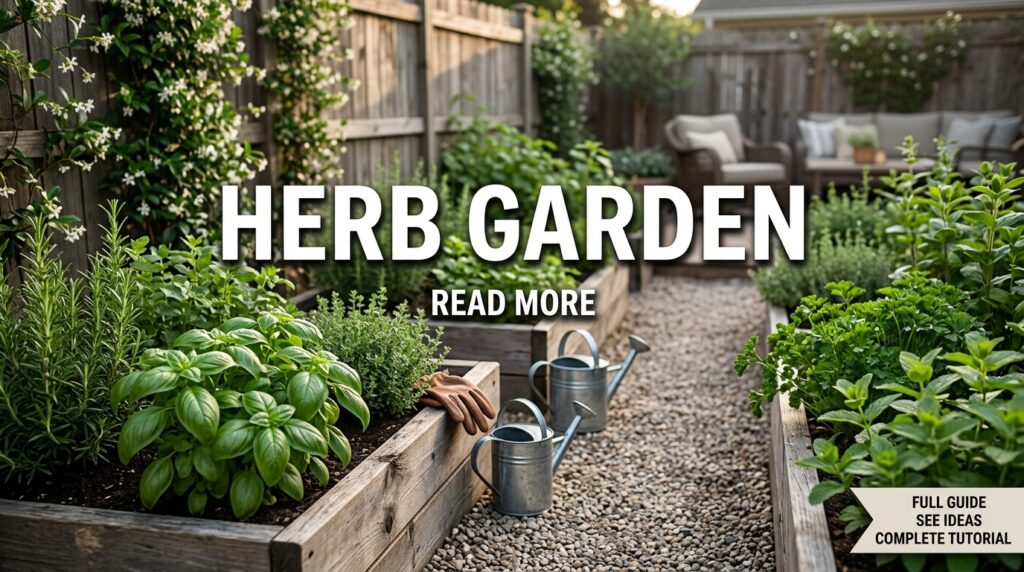
Benefits:
- Improved drainage
- Easier maintenance
- Better organization
Container Herb Garden
Perfect for:
- Patios
- Balconies
- Small spaces
Indoor Herb Garden
Use sunny windowsills or grow lights to cultivate herbs year-round.
Vertical Herb Garden
Maximize space with:
- Wall planters
- Hanging pots
- Tiered shelves
Designing an Herb Garden
Group Herbs by Water Needs
For example:
- Rosemary, thyme, and lavender prefer drier conditions.
- Basil and parsley enjoy more moisture.
Add Pathways
Create access using:
- Gravel
- Brick
- Stepping stones
Include Decorative Elements
Enhance your herb garden with:
- Wooden signs
- Terracotta pots
- Rustic planters
- Garden markers
Best Conditions for Growing Herbs

Most herbs thrive in:
- Full sun (6–8 hours daily)
- Well-drained soil
- Moderate watering
- Good air circulation
Always check the specific requirements of each herb before planting.
Herb Garden Layout Ideas
Circular Herb Garden
Plant taller herbs in the center and shorter varieties around the edges.
Spiral Herb Garden
A popular permaculture design that creates multiple growing conditions in one space.
Windowsill Garden
Ideal for apartments and small homes.
Cottage Herb Garden
Combine herbs with flowers such as:
- Marigolds
- Lavender
- Nasturtiums
Harvesting Herbs
For the best results:
- Harvest in the morning.
- Trim regularly to encourage growth.
- Avoid removing more than one-third of the plant at a time.
Frequent harvesting often leads to healthier, bushier plants.
Common Herb Garden Problems
Overwatering
Many herbs dislike soggy soil.
Poor Sunlight
Insufficient sunlight can lead to weak, leggy growth.
Pests
Watch for:
- Aphids
- Spider mites
- Whiteflies
Crowded Plants
Allow enough space for proper airflow.
Herb Garden Maintenance Tips
- Water consistently.
- Remove dead leaves.
- Fertilize lightly.
- Rotate container plants occasionally.
- Replace annual herbs as needed.
Most herbs require minimal care once established.
Benefits of an Herb Garden
An herb garden can:
- Save money on groceries
- Encourage healthier cooking
- Support pollinators
- Improve your home’s appearance
- Provide fresh ingredients whenever needed
Many gardeners find herb gardening to be both relaxing and highly practical.
Frequently Asked Questions
What is the easiest herb to grow?
Mint, chives, and basil are among the easiest herbs for beginners.
Can herbs grow indoors?
Yes. Most herbs thrive indoors if they receive adequate sunlight or artificial lighting.
How much sunlight do herbs need?
Most herbs require six to eight hours of sunlight daily.
Which herbs grow well together?
Basil, parsley, and chives grow well together, while rosemary, thyme, and lavender prefer similar dry conditions.
Can I grow herbs in containers?
Absolutely. Container gardening is one of the most popular ways to grow herbs.
Conclusion
An herb garden is a beautiful, practical, and rewarding addition to any home. Whether you’re growing basil on a kitchen windowsill or designing a large raised bed filled with fragrant herbs, these versatile plants offer endless benefits.
With proper planning, sunlight, and care, your herb garden can provide fresh flavors, pleasant aromas, and year-round enjoyment. From beginner gardeners to experienced horticulturists, herb gardening remains one of the simplest and most satisfying ways to connect with nature while enhancing your daily life.