 By John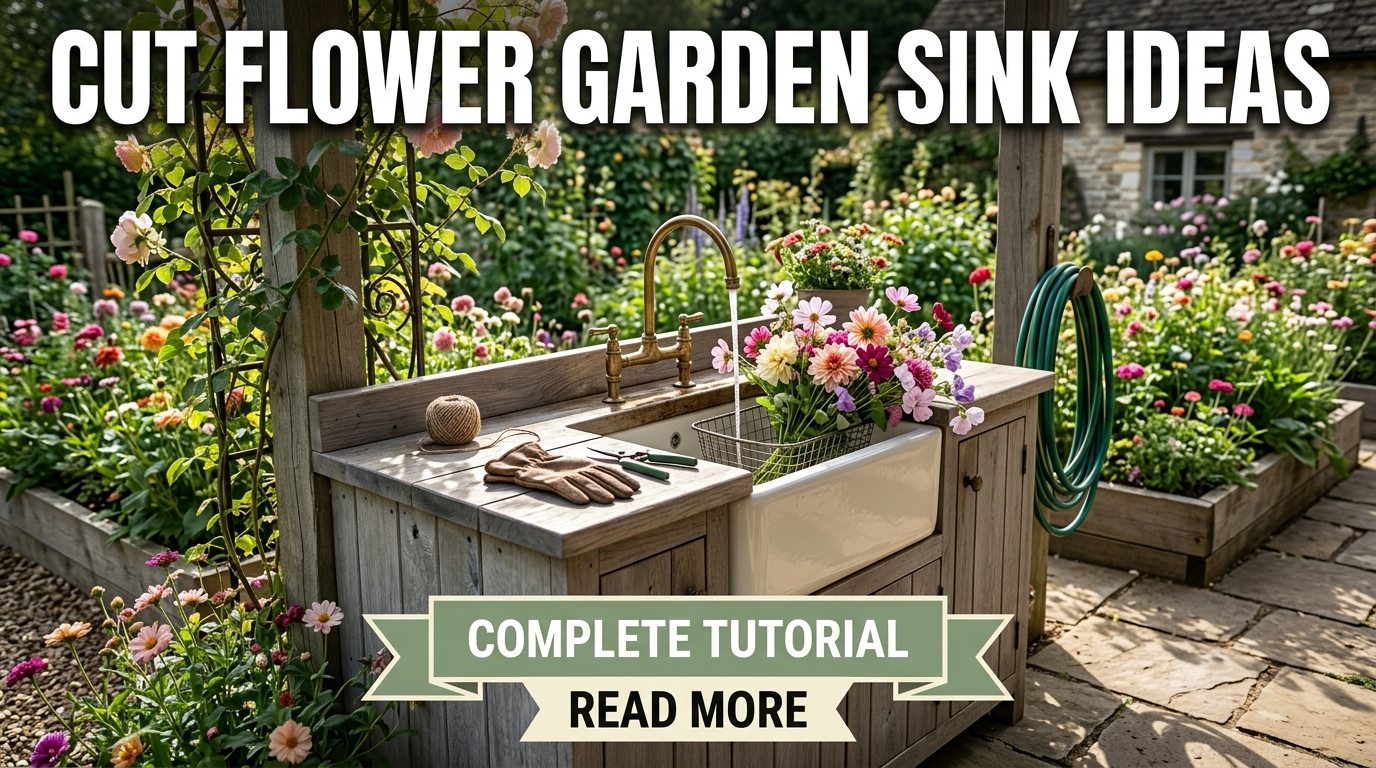
A garden sink is a practical and charming addition to any outdoor area. Whether you’re an avid gardener who needs a convenient place to wash vegetables and tools or simply want to enhance your patio with a rustic focal point, a garden sink can elevate both the functionality and aesthetics of your landscape.
From vintage farmhouse sinks and reclaimed stone basins to sleek modern designs, garden sinks come in a wide variety of styles to suit every type of outdoor space. They can be incorporated into potting benches, outdoor kitchens, greenhouse workstations, and garden sheds, making them one of the most versatile garden features available.
This complete guide explores the best garden sink ideas, materials, installation tips, and maintenance advice to help you create the perfect outdoor washing station.
What Is a Garden Sink?
A garden sink is an outdoor sink designed for gardening and outdoor tasks.
Common uses include:
- Washing harvested vegetables
- Cleaning gardening tools
- Filling watering cans
- Potting plants
- Washing hands after gardening
- Cleaning flower pots
Garden sinks can be connected to plumbing or use a simple hose-fed system, depending on your needs.
Benefits of a Garden Sink
Adds Convenience
No more carrying muddy tools and freshly picked vegetables into the house.
Improves Organization
A dedicated washing station keeps gardening tasks contained to one area.
Enhances Garden Design
Garden sinks can become beautiful focal points, especially when paired with decorative elements.
Supports Outdoor Entertaining
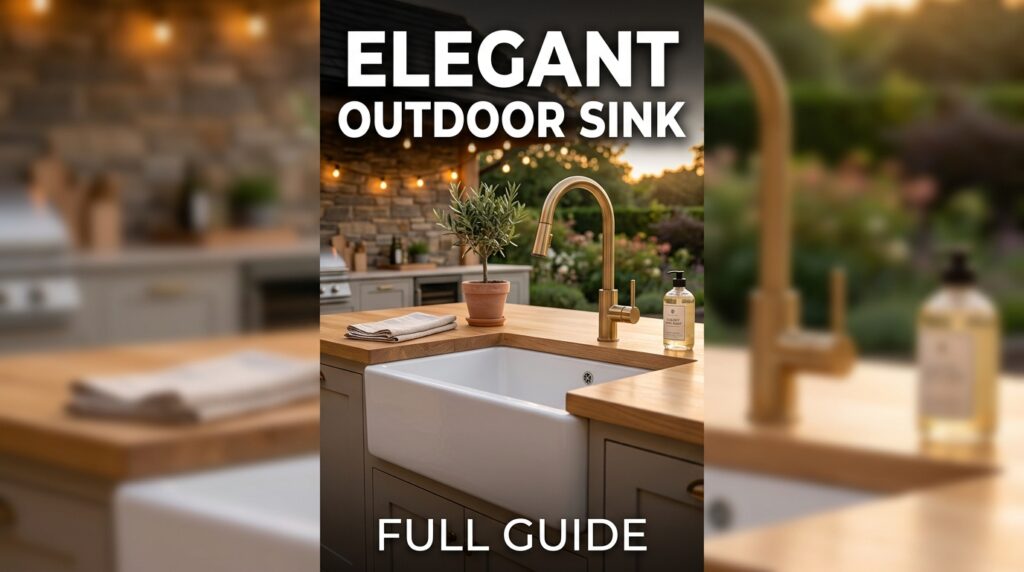
Many homeowners incorporate sinks into outdoor kitchens and BBQ areas.
Popular Garden Sink Styles
Farmhouse Sink
Features:
- Deep basin
- Rustic appearance
- Durable construction
Perfect for cottage and country gardens.
Stone Sink
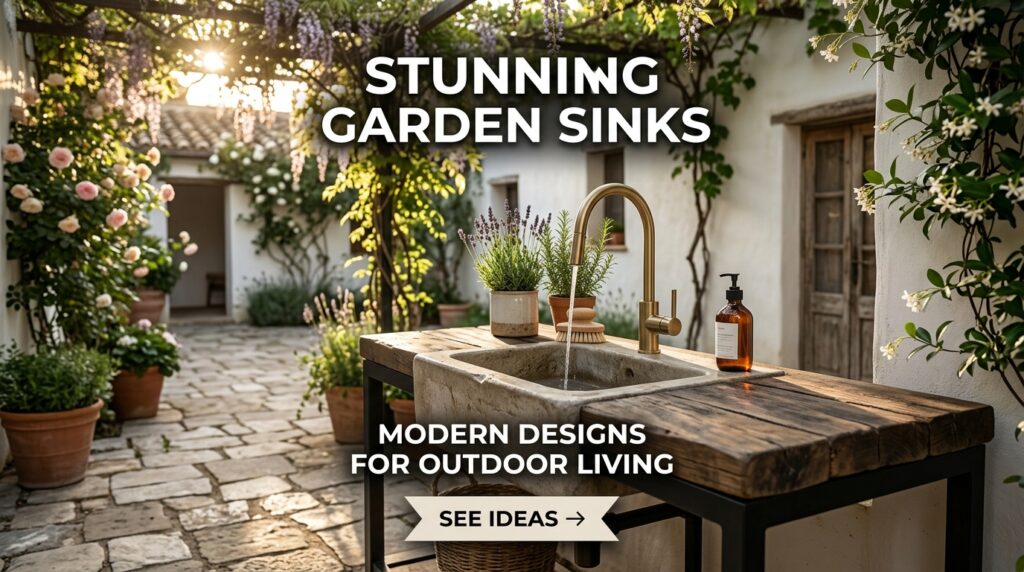
Natural stone sinks provide timeless elegance and blend beautifully with outdoor landscapes.
Stainless Steel Sink
Benefits include:
- Weather resistance
- Easy maintenance
- Modern appearance
Vintage Garden Sink
Repurpose:
- Antique wash basins
- Enamel sinks
- Old utility tubs
Vintage pieces add character and charm.
Concrete Sink
A contemporary option ideal for minimalist gardens.
Best Locations for a Garden Sink
Potting Shed
Install a sink near your gardening supplies for easy cleanup.
Greenhouse
A greenhouse sink makes watering and plant care more convenient.
Outdoor Kitchen
Pair your sink with:
- BBQ stations
- Prep counters
- Dining areas
Garden Wall
Mount a sink against a brick or stone wall to create a stylish focal point.
Patio Corner
Small gardens can benefit from compact sink installations.
Garden Sink Design Ideas
Rustic Potting Station
Combine:
- Wooden worktops
- Open shelving
- Terracotta pots
Mediterranean Style
Include:
- Stone basins
- Olive trees
- Terracotta tiles
Modern Garden Sink
Features:
- Stainless steel
- Concrete counters
- Clean lines
Cottage Garden Sink
Add:
- Climbing roses
- Vintage taps
- Wooden accents
Materials to Consider
Popular garden sink materials include:
- Stainless steel
- Stone
- Concrete
- Ceramic
- Enamel
- Cast iron
Choose materials that can withstand your local climate and outdoor conditions.
Add Storage Around Your Sink
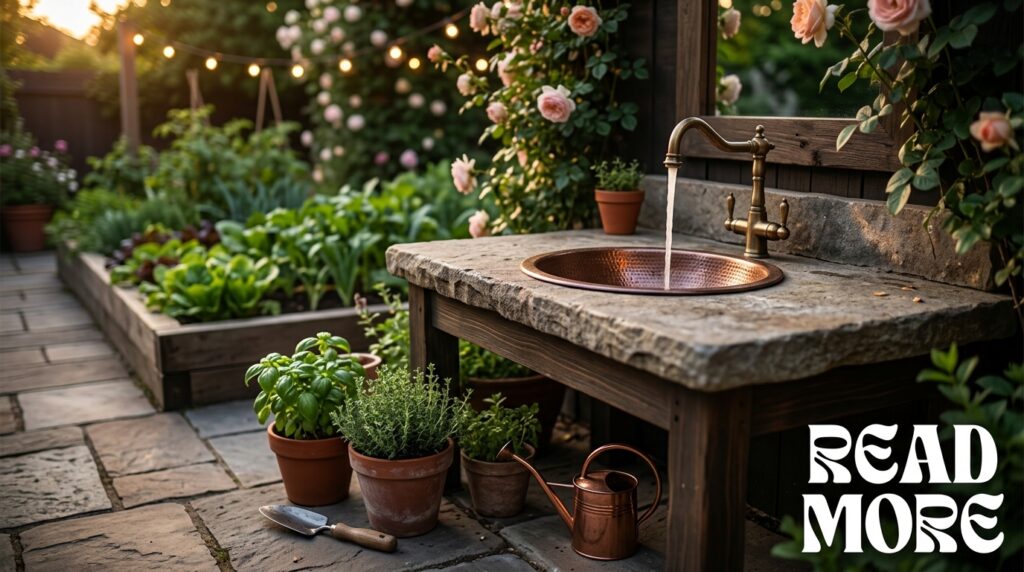
Enhance functionality with:
- Shelves
- Hooks
- Cabinets
- Tool racks
- Basket storage
Storage helps keep your gardening essentials organized and accessible.
Decorative Ideas
Personalize your garden sink area with:
- Hanging plants
- Lanterns
- Decorative tiles
- Vintage signs
- Window boxes
These additions can turn a simple sink into a beautiful garden feature.
DIY Garden Sink Ideas
Repurposed Cabinet Sink
Transform an old cabinet into a potting station with an integrated sink.
Pallet Potting Bench
Use reclaimed wood to build an affordable sink station.
Vintage Basin Project
Install an antique basin with a hose connection for a charming DIY solution.
Outdoor Utility Sink
Use a stainless steel utility sink for a budget-friendly option.
Maintenance Tips
Clean Regularly
Remove dirt, leaves, and debris to prevent staining.
Protect During Winter
Drain plumbing and cover exposed fixtures in freezing temperatures.
Inspect for Leaks
Check hoses and connections periodically.
Seal Natural Materials
Stone and concrete sinks may benefit from occasional sealing.
Keep Drains Clear
Remove soil and plant debris to prevent blockages.
Common Mistakes to Avoid
Choosing Indoor Materials
Not all sinks are suitable for outdoor use.
Ignoring Drainage
Ensure water can drain properly to prevent pooling.
Forgetting Storage
Shelving and hooks greatly improve usability.
Poor Placement
Position the sink near gardening or entertaining areas.
Neglecting Weather Protection
Protect your sink from extreme conditions when necessary.
Frequently Asked Questions
What is a garden sink used for?
Garden sinks are used for washing tools, vegetables, hands, pots, and other gardening supplies.
Can I install a garden sink without plumbing?
Yes. Many garden sinks use hose connections or portable water systems.
What is the best material for a garden sink?
Stainless steel and stone are among the most durable and weather-resistant options.
Can a garden sink be part of an outdoor kitchen?
Absolutely. Garden sinks are a popular addition to outdoor cooking and entertaining spaces.
Are garden sinks expensive?
Costs vary depending on the material and installation, but DIY options can be very affordable.
Conclusion
A garden sink is a stylish and functional feature that can significantly improve your outdoor experience. Whether you’re rinsing freshly harvested vegetables, cleaning muddy tools, or entertaining guests in your outdoor kitchen, a well-designed garden sink adds convenience and character to any space.
From rustic farmhouse styles to sleek contemporary designs, there is a garden sink to suit every taste and budget. With thoughtful placement, durable materials, and a few decorative touches, your garden sink can become one of the most useful and attractive elements in your landscape.