
 By John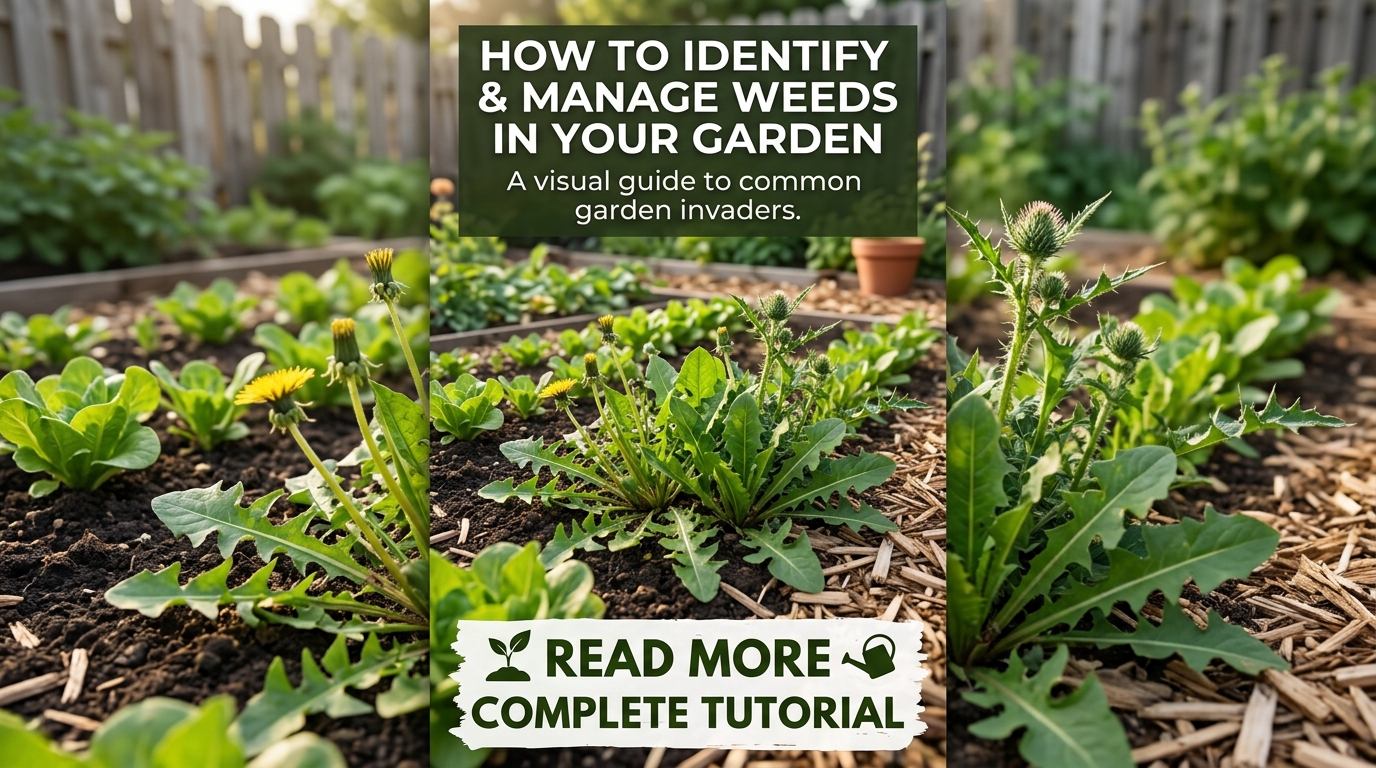
Weeds are one of the most common challenges faced by gardeners. Whether you’re growing vegetables, flowers, herbs, or maintaining a beautiful lawn, unwanted plants can quickly take over your outdoor space. Weeds compete with desirable plants for sunlight, water, nutrients, and space, often reducing growth and affecting the overall appearance of your garden.
The good news is that weeds can be managed effectively with proper identification, prevention techniques, and regular maintenance. By understanding why weeds appear and learning the best methods for controlling them, you can keep your garden healthy, productive, and attractive throughout the year.
This complete guide covers everything you need to know about weeds in the garden, including common types, prevention strategies, removal methods, and long-term weed management tips.
What Are Weeds?
A weed is any plant growing where it is not wanted. While some weeds are harmless or even beneficial to pollinators, most gardeners consider them undesirable because they:
- Compete with garden plants
- Spread rapidly
- Reduce crop yields
- Harbor pests and diseases
- Create an untidy appearance
Many weeds are highly adaptable and can thrive in difficult conditions.
Why Do Weeds Grow in Gardens?
Weeds appear for several reasons:
- Wind-blown seeds
- Birds dropping seeds
- Contaminated compost or soil
- Poor mulching practices
- Disturbed soil
- Excess moisture
Even the most well-maintained gardens will occasionally experience weed problems.
Common Garden Weeds
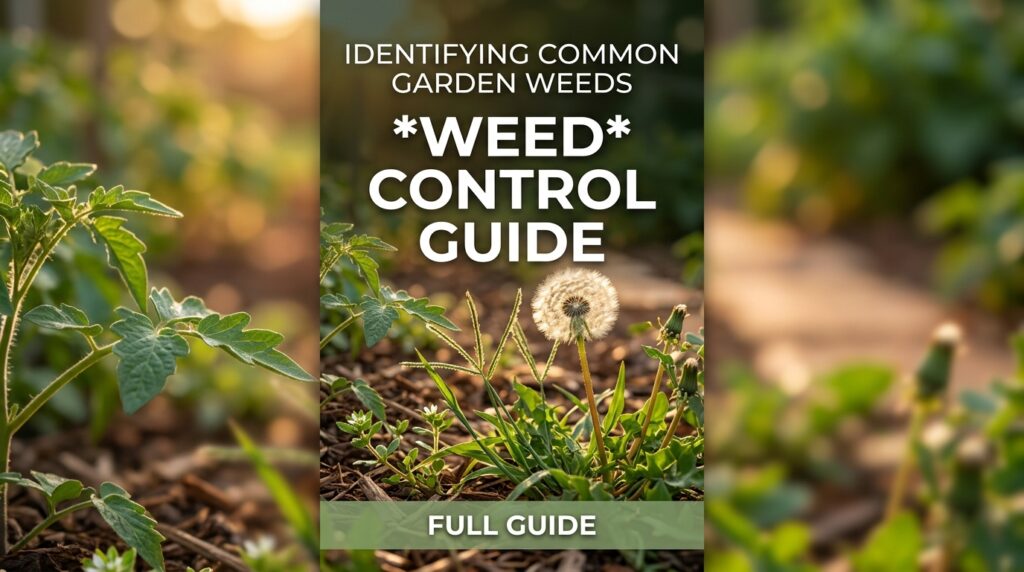
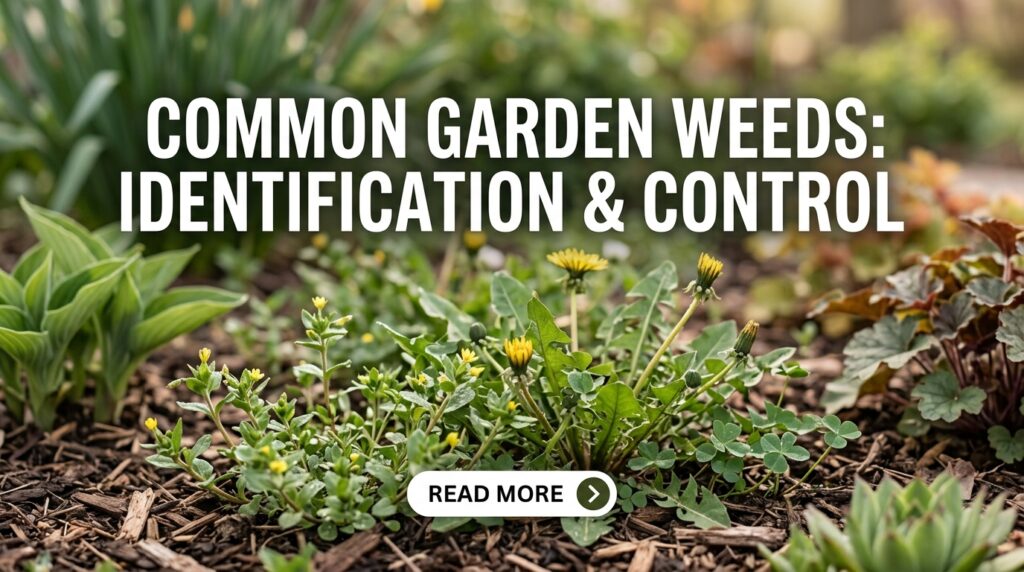
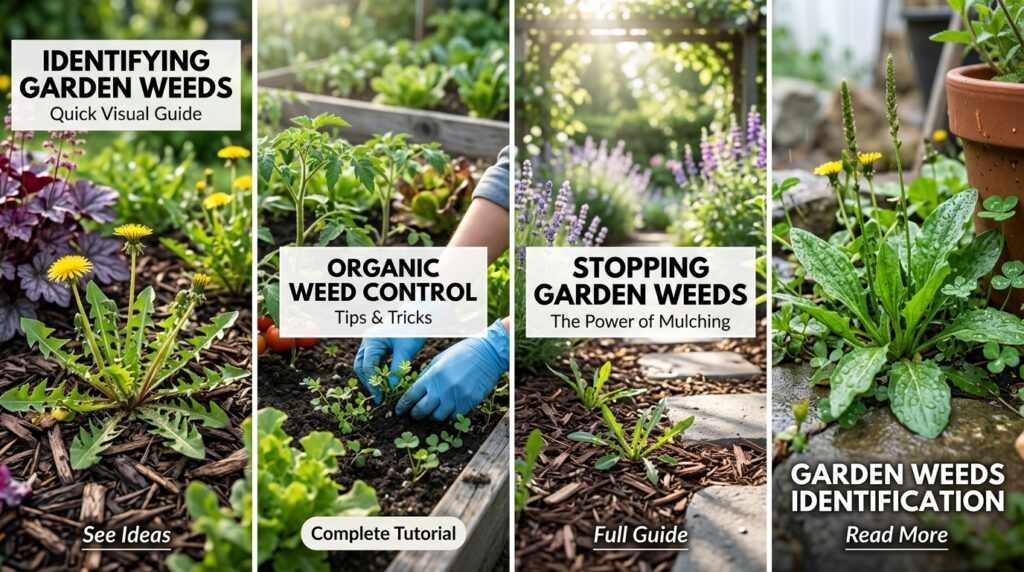
Dandelion
Recognizable by its bright yellow flowers and deep taproot.
Crabgrass
A fast-growing grassy weed commonly found in lawns and flower beds.
Chickweed
Produces small white flowers and spreads quickly.
Clover
Often found in lawns and can be difficult to remove completely.
Bindweed
A climbing weed that wraps around plants and structures.
Thistle
Known for its spiny leaves and aggressive growth.
Purslane
A succulent-like weed that thrives in warm weather.
Nettle
Can cause skin irritation and spread rapidly.
How Weeds Affect Your Garden
Weeds can negatively impact plants by:
- Stealing nutrients
- Blocking sunlight
- Restricting airflow
- Competing for water
- Attracting pests
Left unchecked, weeds can overwhelm flower beds and vegetable gardens in a surprisingly short time.
Best Ways to Prevent Weeds
Apply Mulch
Mulch is one of the most effective weed prevention methods.
Popular options include:
- Bark mulch
- Straw
- Compost
- Wood chips
A 5–8 cm layer of mulch helps block sunlight and suppress weed growth.
Plant Closely
Dense planting leaves less room for weeds to establish themselves.
Use Landscape Fabric
Landscape fabric can be placed beneath gravel pathways and decorative beds.
Maintain Healthy Soil
Healthy plants are better equipped to compete with weeds.
Manual Weed Removal
Hand-pulling remains one of the most reliable methods for removing weeds.
Tips:
- Pull weeds after rainfall.
- Remove the entire root system.
- Dispose of seed-producing weeds promptly.
Manual removal is especially effective for small gardens.
Garden Tools for Weed Control
Helpful tools include:
- Hand trowels
- Hoe
- Weeding knife
- Garden fork
- Stand-up weed puller
Investing in quality tools can make weed management much easier.
Natural Weed Control Methods
Boiling Water
Pouring boiling water onto weeds can kill them quickly.
Vinegar Solution
Household vinegar can be effective on young weeds.
Corn Gluten Meal
Acts as a natural pre-emergent weed suppressant.
Mulching
Organic mulch remains one of the safest and most effective natural solutions.
Avoid using harsh chemicals near edible plants whenever possible.
Weed Control for Vegetable Gardens
Vegetable gardens require special care.
Best practices include:
- Mulching around plants
- Regular inspection
- Hand weeding
- Using raised beds
Raised beds often experience fewer weed problems than traditional gardens.
Weed Control for Flower Beds
Protect ornamental plants by:
- Applying mulch annually
- Removing weeds before they flower
- Installing edging materials
- Monitoring problem areas
Consistent maintenance prevents weeds from spreading.
Seasonal Weed Management
Spring
- Apply mulch.
- Remove early weeds.
Summer
- Inspect beds weekly.
- Water carefully to avoid encouraging weed growth.
Autumn
- Remove dead plants.
- Prevent weeds from setting seed.
Winter
- Plan next year’s weed prevention strategies.
Year-round attention keeps weed populations under control.
Are Any Weeds Beneficial?
Surprisingly, some weeds offer benefits.
Examples include:
Dandelions
Provide food for pollinators.
Clover
Improves soil by fixing nitrogen.
Purslane
Edible and rich in nutrients.
However, even beneficial weeds may need to be managed if they spread excessively.
Common Weed Control Mistakes
Letting Weeds Go to Seed
One weed can produce thousands of seeds.
Shallow Weeding
Many weeds regrow if roots remain in the soil.
Overusing Herbicides
Excessive chemical use can harm beneficial insects and nearby plants.
Ignoring Mulch
Mulch is one of the simplest and most effective weed prevention methods.
Inconsistent Maintenance
Regular attention is key to long-term weed control.
Frequently Asked Questions
What is the fastest way to remove weeds?
Hand-pulling after rain and using a hoe are among the quickest methods.
Can weeds damage my plants?
Yes. They compete for water, nutrients, and sunlight.
Is vinegar safe for weed control?
It can be effective but should be used carefully, as it may also harm nearby plants.
How often should I weed my garden?
Inspect your garden weekly during the growing season.
Are weeds always harmful?
Not always. Some provide ecological benefits, but most require management to prevent overcrowding.
Conclusion
Weeds are an unavoidable part of gardening, but they don’t have to take over your outdoor space. With proper identification, preventative measures, and regular maintenance, you can keep your garden healthy, productive, and visually appealing.
By using mulch, removing weeds promptly, and maintaining healthy soil, you’ll spend less time battling unwanted plants and more time enjoying your garden. Remember, consistent care is the secret to successful weed management and a thriving garden all year long.