
 By John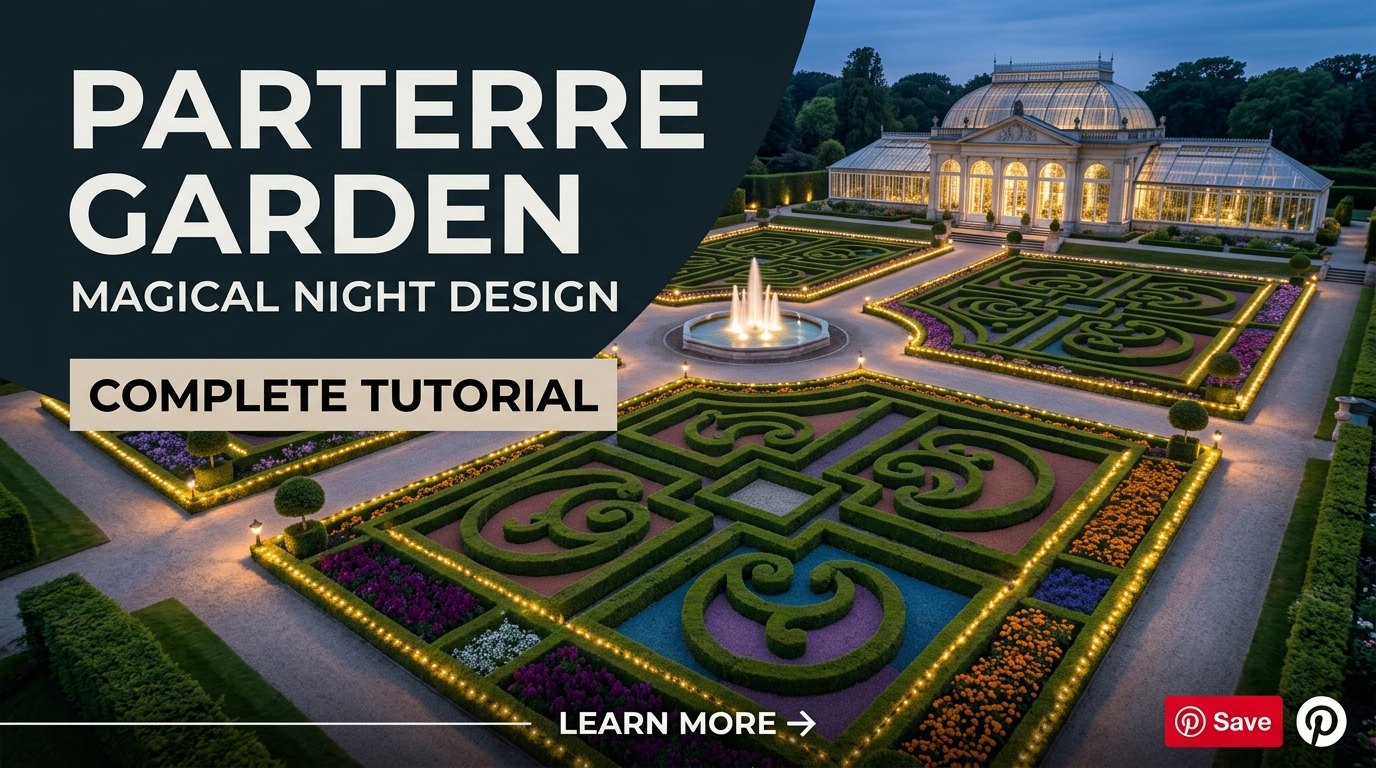
A parterre garden is one of the most sophisticated and visually striking styles of landscape design. Originating in Renaissance France and popularized during the 17th century, parterre gardens are known for their symmetrical layouts, geometric patterns, and meticulously maintained planting beds. Often associated with grand estates and historic palaces, parterre gardens bring a sense of order, elegance, and timeless beauty to any outdoor space.
While traditional parterre gardens were designed for large properties, modern interpretations can be adapted for small backyards, courtyards, and urban gardens. By combining structured hedges, decorative gravel, pathways, and ornamental plants, homeowners can create a formal garden that serves as a stunning focal point throughout the year.
This complete guide explores the history, design principles, layout ideas, plant selections, and maintenance tips for creating a beautiful parterre garden.
What Is a Parterre Garden?
A parterre garden is a formal garden characterized by symmetrical planting beds separated by pathways. The beds are often outlined with low hedges and arranged in geometric or ornamental patterns.
Common features include:
- Symmetrical layouts
- Boxwood hedges
- Gravel pathways
- Decorative focal points
- Geometric planting beds
- Sculptures and fountains
- Formal flower displays
Parterre gardens are typically viewed from above, making them particularly effective when seen from a terrace, balcony, or upper-story window.
History of Parterre Gardens
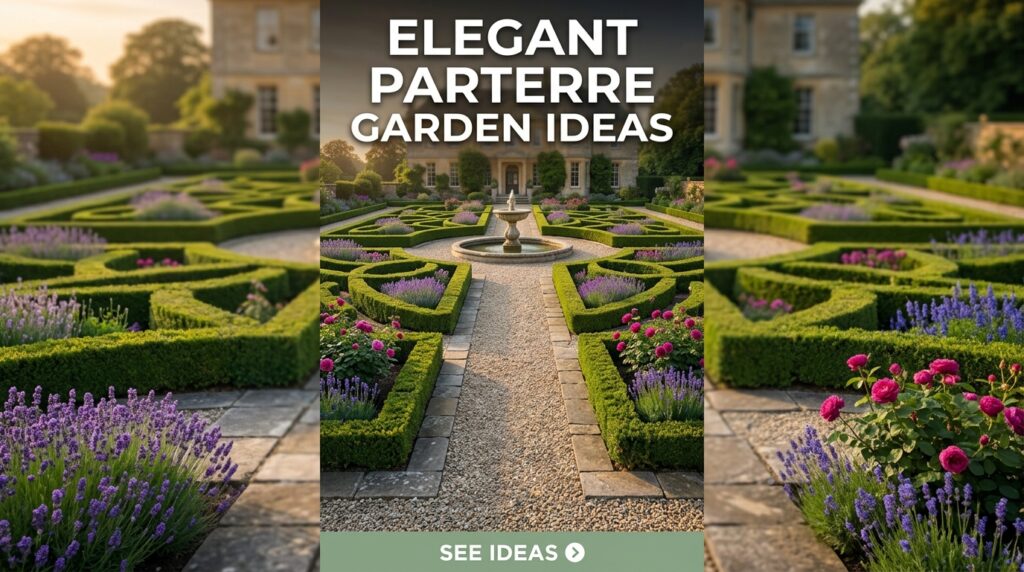
Parterre gardens became popular during the French Renaissance and reached their peak during the reign of King Louis XIV.
Famous examples include the gardens at:
- Palace of Versailles
- Château de Vaux-le-Vicomte
These gardens showcased wealth, artistic expression, and precise landscape architecture that continues to inspire designers today.
Benefits of a Parterre Garden
Timeless Elegance
Parterre gardens offer a classic and refined appearance.
Strong Visual Impact
Their symmetrical designs immediately draw attention.
Year-Round Structure
Evergreen hedges provide interest even in winter.
Adaptable to Various Sizes
Modern parterre gardens can be scaled for compact spaces.
Increases Property Appeal
A well-designed formal garden adds sophistication and value.
Key Elements of a Parterre Garden
Symmetry
Balance is the foundation of every parterre garden.
Geometric Patterns
Popular shapes include:
- Circles
- Diamonds
- Squares
- Spirals
- Knot patterns
Defined Borders
Low hedges or edging materials outline each planting section.
Central Focal Point
Many parterre gardens feature:
- Fountains
- Sundials
- Statues
- Urns
Choosing the Perfect Layout
Traditional French Parterre
Features intricate patterns and elaborate symmetry.
Knot Garden
Uses interwoven hedge designs to create decorative patterns.
Modern Minimalist Parterre
Combines simple geometric forms with contemporary materials.
Small Courtyard Parterre
Ideal for urban homes and compact gardens.
Sketch your design before planting to ensure proper proportions.
Best Plants for Parterre Gardens
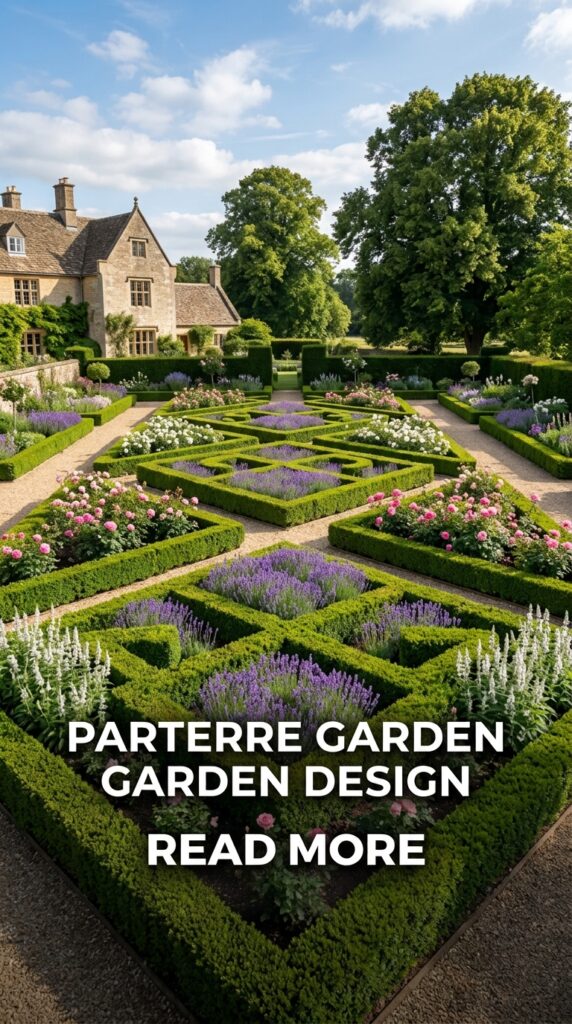
Boxwood
The classic choice for defining borders.
Lavender
Adds fragrance and softens formal lines.
Santolina
Provides silver foliage and drought tolerance.
Roses
Introduce color and timeless elegance.
Salvia
Offers long-lasting blooms.
Thyme
Works beautifully as a low-growing filler.
Yew
Excellent for evergreen structure.
Pathway Ideas
Pathways are essential for separating planting beds.
Popular materials include:
- Gravel
- Brick
- Natural stone
- Crushed limestone
Gravel remains the traditional choice because of its elegant appearance and excellent drainage.
Adding a Central Feature
A focal point helps anchor the design.
Popular options include:
- Stone fountains
- Decorative urns
- Garden statues
- Birdbaths
- Sundials
Choose a feature that complements the scale of your garden.
Small Parterre Garden Ideas
Even small gardens can benefit from formal design.
Consider:
- Four square beds surrounding a fountain
- Circular layouts with gravel paths
- Mini knot gardens
- Container parterre designs
Simple patterns often work best in compact spaces.
Modern Parterre Garden Designs
Modern interpretations may include:
- Concrete pathways
- Architectural plants
- Minimalist layouts
- Decorative lighting
These elements create a contemporary take on a historic style.
Seasonal Planting Ideas
Spring
- Tulips
- Daffodils
- Hyacinths
Summer
- Lavender
- Roses
- Salvia
Autumn
- Chrysanthemums
- Ornamental grasses
Winter
- Evergreen hedges
- Structural topiary
Seasonal planting keeps the garden attractive throughout the year.
Parterre Garden Maintenance
Formal gardens require regular care.
Trim Hedges
Maintain crisp, clean lines.
Weed Pathways
Keep gravel and paving tidy.
Deadhead Flowers
Encourage continuous blooming.
Refresh Mulch
Improve soil health and appearance.
Inspect Focal Features
Clean fountains and decorative elements regularly.
Consistent maintenance is essential for preserving the garden’s formal appearance.
Common Mistakes to Avoid
Ignoring Symmetry
Even minor imbalances can affect the overall design.
Choosing Oversized Plants
Select species that remain manageable.
Overcomplicating Small Spaces
Simple patterns often create a stronger impact.
Neglecting Maintenance
Formal gardens quickly lose their charm without regular upkeep.
Poor Pathway Planning
Ensure pathways are wide enough for comfortable movement.
Budget-Friendly Parterre Garden Ideas
Create a parterre garden on a budget by:
- Using gravel instead of stone paving
- Growing boxwood from small plants
- Repurposing containers as focal points
- Creating simple geometric designs
A beautiful parterre garden doesn’t require a palace-sized budget.
Frequently Asked Questions
What is the difference between a parterre and a knot garden?
A knot garden is a type of parterre that uses intricate interwoven hedge patterns, while parterre gardens encompass a wider range of symmetrical designs.
Can I create a parterre garden in a small backyard?
Yes. Many modern parterre gardens are specifically designed for compact spaces.
What is the best hedge for a parterre garden?
Boxwood is the traditional choice, although yew and dwarf shrubs are also popular.
Are parterre gardens difficult to maintain?
They require moderate to high maintenance, particularly hedge trimming and pathway upkeep.
Can a parterre garden look modern?
Absolutely. Contemporary materials and simplified layouts can create a modern interpretation of this classic style.
Conclusion
A parterre garden is the perfect blend of art, architecture, and nature. Its symmetrical layouts, elegant hedges, and carefully planned focal points create a landscape that feels both timeless and sophisticated. Whether you choose a traditional French design, a charming knot garden, or a modern minimalist interpretation, a parterre garden can transform any outdoor space into a stunning visual masterpiece.
With thoughtful planning, suitable plant selections, and regular maintenance, your parterre garden will provide year-round beauty and become a standout feature of your home for many years to come.