
 By John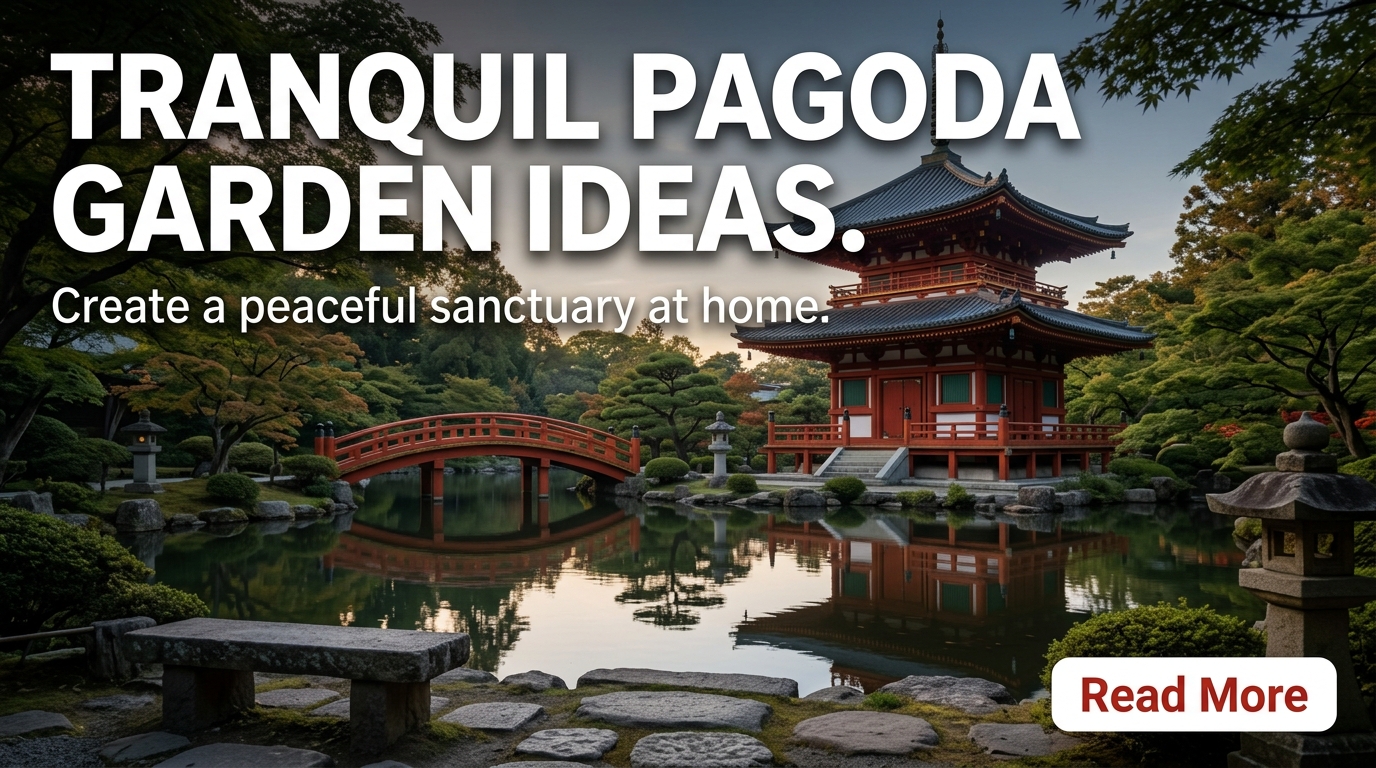
Pagoda Garden Design, Japanese Garden Inspiration, Zen Landscaping, Asian Garden Decor, and Tranquil Outdoor Spaces
A pagoda garden combines the timeless beauty of traditional Asian architecture with the calming elements of nature to create a peaceful outdoor retreat. Inspired by Japanese, Chinese, and Korean garden traditions, pagoda gardens feature graceful structures, carefully placed plants, stone pathways, water features, and balanced landscaping that encourages relaxation and reflection.
The pagoda often serves as the focal point of the garden, symbolizing harmony, spirituality, and connection with nature. Whether you have a large backyard, a compact courtyard, or a small meditation garden, incorporating a pagoda can instantly elevate the design and create a serene atmosphere.
This complete guide explores the best pagoda garden ideas, design principles, plant selections, landscaping features, and maintenance tips to help you build a beautiful Asian-inspired sanctuary.
What Is a Pagoda Garden?
A pagoda garden is a landscape designed around a decorative pagoda structure. Traditional pagodas are multi-tiered towers commonly found in Asian architecture and are often associated with temples and peaceful gardens.
Modern pagoda gardens may include:
- Stone or wooden pagodas
- Japanese maples
- Bamboo
- Water features
- Rock gardens
- Lanterns
- Curved pathways
- Meditation spaces
The goal is to create a balanced and calming environment.
Benefits of a Pagoda Garden

Creates a Relaxing Atmosphere
The combination of architecture, water, and plants promotes tranquility.
Adds a Unique Focal Point
A pagoda instantly becomes the centerpiece of the landscape.
Enhances Property Appeal
Asian-inspired gardens are elegant and visually striking.
Supports Mindfulness
The peaceful setting encourages relaxation and reflection.
Suitable for Various Garden Sizes
Pagoda gardens can be adapted for small and large spaces alike.
Choosing the Perfect Pagoda
The pagoda is the heart of the design.
Popular materials include:
Stone Pagodas
Traditional, durable, and timeless.
Wooden Pagodas
Warm and natural in appearance.
Metal Pagodas
Modern and decorative.
Miniature Pagodas
Ideal for compact gardens and container landscapes.
Choose a size that complements the scale of your garden.
Create a Japanese-Inspired Layout
Japanese gardens emphasize simplicity and balance.
Key elements include:
- Open space
- Asymmetrical design
- Natural materials
- Thoughtful placement of features
Avoid overcrowding the garden with too many decorations.
Add Stone Pathways
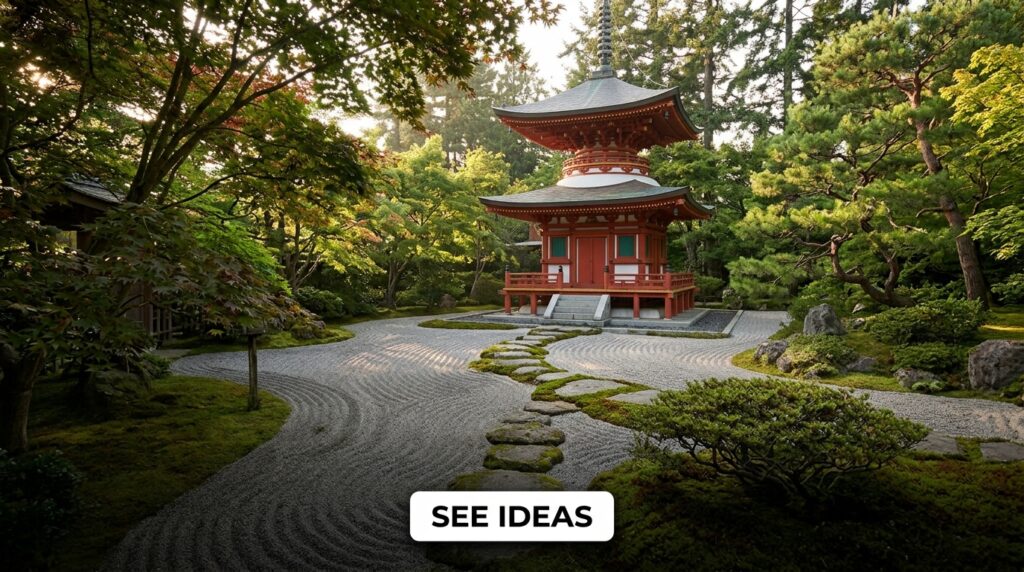
Stone paths guide visitors through the garden and enhance the sense of journey.
Popular materials include:
- Stepping stones
- Natural flagstone
- Gravel pathways
- River rocks
Curved paths create a more natural and peaceful flow.
Incorporate a Water Feature
Water is an essential component of many Asian gardens.
Ideas include:
Koi Ponds
Beautiful and symbolic.
Bamboo Water Fountains
Provide gentle, soothing sounds.
Reflecting Pools
Create elegance and tranquility.
Small Waterfalls
Add movement and natural beauty.
Water features enhance the garden’s calming atmosphere.
Build a Zen Rock Garden
Zen gardens use rocks and gravel to represent natural landscapes.
Features include:
- Raked gravel
- Large stones
- Minimal planting
Rock gardens require little maintenance while creating a strong visual impact.
Use Japanese Garden Lanterns
Traditional lanterns add authenticity and charm.
Popular options include:
- Stone lanterns
- Pagoda lanterns
- Solar-powered lanterns
Place lanterns near pathways, ponds, or focal points.
Best Plants for a Pagoda Garden
Plant selection should emphasize texture, structure, and year-round beauty.
Japanese Maple
Elegant foliage and stunning seasonal color.
Bamboo
Provides height, privacy, and movement.
Azaleas
Offer vibrant spring blooms.
Moss
Creates a lush and tranquil ground cover.
Pine Trees
Symbolize longevity and strength.
Ferns
Add softness and texture.
Camellias
Provide colorful flowers and evergreen foliage.
Create a Meditation Space
A meditation area complements the peaceful nature of a pagoda garden.
Include:
- Stone bench
- Wooden seating
- Gravel area
- Shade trees
This space can become a personal retreat for relaxation.
Design a Courtyard Pagoda Garden
Courtyard gardens work beautifully with pagoda features.
Ideas include:
- Central pagoda
- Gravel ground cover
- Container plants
- Water bowl
Even small courtyards can feel spacious and serene with careful planning.
Use Natural Stone Accents
Stone plays an important role in Asian garden design.
Applications include:
- Retaining walls
- Pathways
- Sculptures
- Decorative boulders
Natural stone creates a timeless appearance.
Add a Garden Bridge
Bridges symbolize transition and harmony.
Popular styles include:
- Arched wooden bridges
- Stone bridges
- Decorative footbridges
Place bridges over ponds, streams, or dry riverbeds.
Incorporate Bamboo Elements
Bamboo can be used in many ways.
Ideas include:
- Fencing
- Water features
- Trellises
- Decorative screens
Its natural appearance complements pagoda architecture.
Create a Moon Gate Entrance
A moon gate adds dramatic visual appeal and traditional Asian character.
Benefits include:
- Distinct entry point
- Framed garden views
- Architectural interest
Moon gates pair beautifully with pagoda landscapes.
Lighting a Pagoda Garden
Thoughtful lighting extends enjoyment into the evening.
Popular options include:
Lantern Lighting
Traditional and atmospheric.
Path Lights
Improve safety and visibility.
Spotlights
Highlight pagodas and trees.
Pond Lighting
Enhances water features at night.
Warm lighting creates a peaceful ambiance.
Seasonal Interest
A successful pagoda garden remains attractive throughout the year.
Spring
Cherry blossoms and azaleas bloom.
Summer
Lush greenery and bamboo thrive.
Autumn
Japanese maples display brilliant colors.
Winter
Evergreens and architectural elements provide structure.
Seasonal variety adds depth and interest.
Small Pagoda Garden Ideas
Limited space can still support a beautiful design.
Ideas include:
- Mini stone pagodas
- Container gardens
- Zen gravel corners
- Small water bowls
Simple layouts often work best in compact areas.
Maintenance Tips
Keep your pagoda garden beautiful with regular care.
Prune Trees and Shrubs
Maintain shape and balance.
Clean Water Features
Prevent algae and debris buildup.
Refresh Gravel
Maintain neat and defined surfaces.
Inspect Structures
Protect wooden and stone features from wear.
Routine maintenance preserves the garden’s elegance.
Common Pagoda Garden Mistakes
Avoid these common issues:
Overcrowding Decorations
Too many features can disrupt harmony.
Ignoring Scale
Choose a pagoda that fits the garden size.
Using Incompatible Plants
Select species that match the garden theme.
Poor Pathway Design
Paths should feel natural and inviting.
Lack of Balance
Maintain visual harmony throughout the landscape.
Frequently Asked Questions
What is the purpose of a pagoda in a garden?
A pagoda serves as a focal point and symbolizes peace, balance, and spirituality.
Can I create a pagoda garden in a small space?
Yes. Miniature pagodas and compact layouts work well in small gardens and courtyards.
What plants are best for a pagoda garden?
Japanese maple, bamboo, azaleas, moss, pine trees, ferns, and camellias are excellent choices.
Do pagoda gardens require a lot of maintenance?
Most require moderate maintenance, including pruning, cleaning, and seasonal care.
Are pagoda gardens only Japanese in style?
While strongly associated with Japanese gardens, pagodas are also found in Chinese and Korean garden traditions.
Conclusion
Pagoda garden ideas offer a beautiful way to create a peaceful, elegant, and timeless outdoor space inspired by Asian design traditions. By combining a striking pagoda structure with natural stone, water features, carefully selected plants, and balanced landscaping, you can transform your garden into a serene retreat that promotes relaxation and harmony.
Whether you design a large backyard sanctuary, a compact courtyard, or a simple Zen corner, a pagoda garden provides a unique blend of architecture and nature. With thoughtful planning and regular maintenance, your pagoda garden can become a stunning focal point that brings beauty, tranquility, and inspiration throughout every season.