
 By John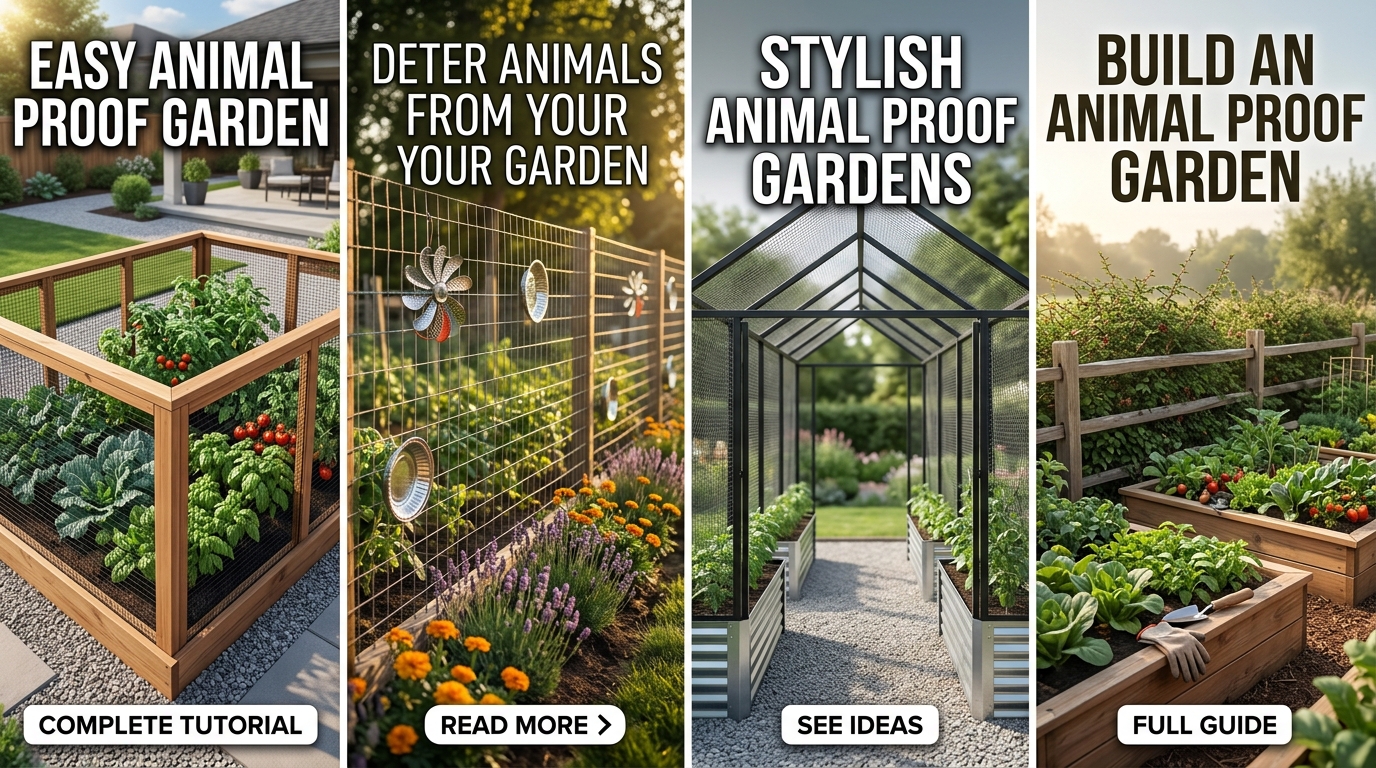
Animal Proof Garden Ideas, Wildlife Protection, Garden Fencing, Pest Control, and Safe Landscaping Solutions
Creating an animal proof garden is essential for gardeners who want to protect their flowers, vegetables, fruits, and landscaping from unwanted visitors. While wildlife can add beauty and biodiversity to outdoor spaces, animals such as rabbits, deer, squirrels, raccoons, birds, groundhogs, and stray pets can quickly damage plants, dig up beds, and destroy months of hard work.
Fortunately, an animal proof garden does not require harmful methods. With smart design, protective barriers, strategic plant selection, and humane deterrents, you can create a thriving garden that coexists with nature while safeguarding your plants. Whether you have a small backyard vegetable patch or a large ornamental landscape, implementing animal-resistant gardening techniques can significantly reduce damage and improve harvests.
This complete guide explores practical animal proof garden ideas, fencing options, wildlife deterrents, plant choices, and maintenance strategies to help keep your garden healthy and protected.
Why Animal Proofing Is Important
Wildlife damage can lead to:
- Destroyed vegetables
- Eaten flowers
- Broken stems
- Dug-up bulbs
- Damaged fruit crops
- Soil disturbance
- Reduced harvests
Preventative measures save time, money, and frustration.
Identify the Problem Animals
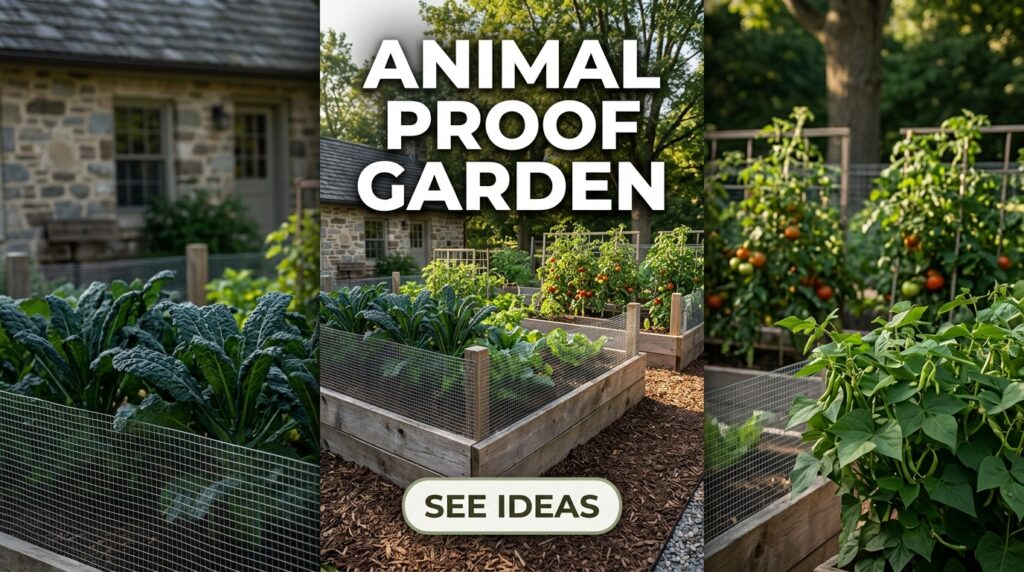
Different animals require different solutions.
Common garden visitors include:
Deer
Often feed on flowers, shrubs, and vegetables.
Rabbits
Chew young plants and seedlings.
Squirrels
Dig in containers and raised beds.
Groundhogs
Consume vegetables and tunnel underground.
Birds
Eat fruits, berries, and seeds.
Raccoons
Can damage crops and garden structures.
Cats and Dogs
May dig or trample garden beds.
Identifying the culprit helps determine the most effective protection methods.
Install Garden Fencing
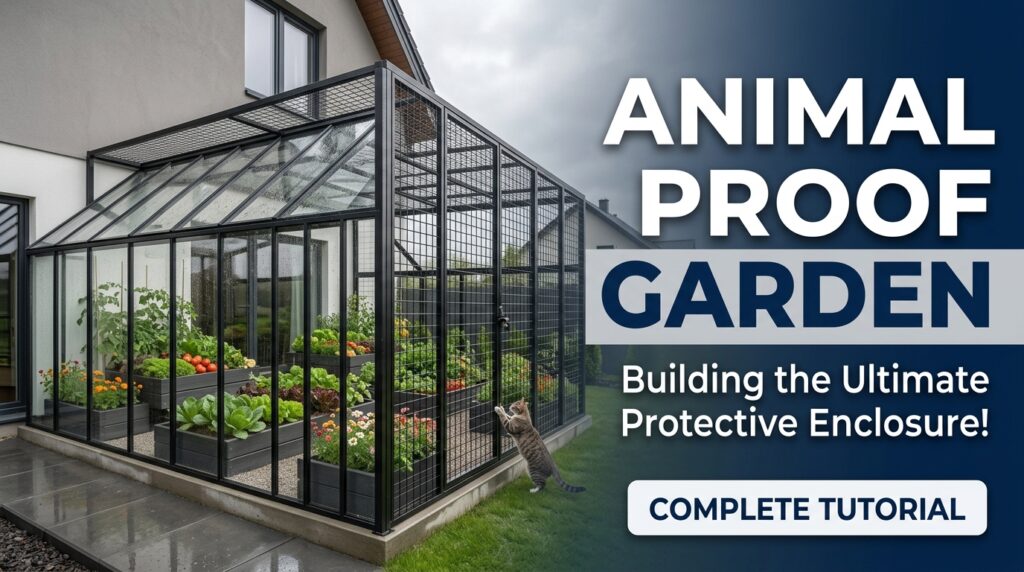
Fencing is one of the most reliable forms of protection.
Benefits include:
- Physical barrier
- Long-term solution
- Minimal maintenance
The ideal fence depends on the target animal.
Deer-Proof Fencing
Deer are excellent jumpers.
Recommended fence features:
- Height of at least 8 feet
- Strong materials
- Secure installation
Tall fencing is often the most effective deer deterrent.
Rabbit-Proof Fencing
Rabbits can squeeze through surprisingly small gaps.
Use:
- Wire mesh fencing
- Openings smaller than 1 inch
- Buried fencing 6–12 inches underground
This prevents rabbits from entering or digging underneath.
Protect Against Groundhogs
Groundhogs are strong diggers.
Effective fencing should:
- Extend underground
- Use heavy-duty wire mesh
- Include reinforced corners
Preventing burrowing is crucial.
Bird Protection Methods
Birds often target fruits and berries.
Solutions include:
Bird Netting
Protects crops without harming wildlife.
Garden Covers
Useful for raised beds.
Reflective Decorations
Can discourage birds temporarily.
Protective Fruit Cages
Provide reliable long-term protection.
Use Raised Garden Beds
Raised beds offer several advantages.
Benefits include:
- Easier protection
- Improved drainage
- Better soil control
- Reduced access for some animals
Raised beds can be combined with fencing and covers for maximum security.
Add Garden Netting
Netting provides lightweight protection.
Ideal for:
- Vegetable gardens
- Berry bushes
- Fruit trees
Choose durable materials that withstand weather conditions.
Install Garden Covers
Protective covers help shield vulnerable plants.
Popular options include:
- Row covers
- Cold frames
- Hoop tunnels
These structures provide both animal protection and weather benefits.
Choose Animal-Resistant Plants
Some plants are less attractive to wildlife.
Deer-Resistant Plants
- Lavender
- Sage
- Rosemary
- Russian sage
- Yarrow
Rabbit-Resistant Plants
- Marigolds
- Daffodils
- Alliums
- Salvia
Squirrel-Resistant Plants
- Mint
- Hyacinths
- Fritillaria
No plant is completely animal-proof, but resistant varieties can reduce damage.
Use Natural Deterrents
Natural deterrents help discourage animals without causing harm.
Examples include:
- Strong scents
- Motion-activated sprinklers
- Reflective objects
- Wind chimes
Combining multiple deterrents often works best.
Motion-Activated Sprinklers
These devices startle animals with a burst of water.
Benefits include:
- Humane operation
- Effective for many species
- Low maintenance
They are especially useful for deer, raccoons, and cats.
Secure Compost Areas
Compost can attract unwanted wildlife.
Tips include:
- Use enclosed bins
- Avoid meat and dairy scraps
- Keep lids secure
Proper compost management reduces animal activity.
Protect Fruit Trees
Fruit trees attract birds and mammals.
Protection methods include:
- Netting
- Tree guards
- Fruit cages
Regular harvesting also reduces attraction.
Container Gardening Solutions
Containers can be easier to protect than in-ground beds.
Benefits include:
- Elevated planting
- Flexible placement
- Improved monitoring
Move containers to safer locations when needed.
Create Wildlife Diversion Areas
Provide alternative food sources away from the main garden.
Ideas include:
- Wildflower patches
- Native planting zones
- Wildlife feeding stations
Diversion areas may reduce pressure on garden crops.
Secure Garden Gates
Even the best fence is ineffective without a secure gate.
Ensure gates:
- Close properly
- Have minimal gaps
- Remain latched
Inspect gates regularly for damage.
Mulching and Ground Protection
Mulch helps maintain healthy soil while discouraging some digging behavior.
Popular options include:
- Bark mulch
- Wood chips
- Gravel
Avoid creating hiding spots for rodents.
Animal Proof Vegetable Gardens
Vegetable gardens are among the most attractive targets for wildlife.
Key protection measures include:
- Raised beds
- Wire fencing
- Garden netting
- Row covers
Combining multiple barriers offers the greatest success.
Animal Proof Flower Gardens
Protect ornamental gardens with:
- Deer-resistant plants
- Decorative fencing
- Strategic plant placement
Layering protection methods improves results.
Common Animal Proofing Mistakes
Avoid these common errors:
Fence Too Short
Many animals can climb or jump over low barriers.
Gaps Under Fencing
Burrowing animals exploit openings.
Relying on One Method
A combination of solutions is usually more effective.
Ignoring Maintenance
Damaged barriers quickly become ineffective.
Delayed Action
Address animal activity as soon as signs appear.
Seasonal Garden Protection
Spring
Protect seedlings and new growth.
Summer
Monitor vegetable and fruit crops.
Autumn
Secure harvests and fallen fruit.
Winter
Inspect fencing and repair damage.
Year-round vigilance improves success.
Maintenance Tips
Maintain protection systems regularly.
Inspect Fencing
Check for holes and weak spots.
Repair Netting
Replace damaged sections promptly.
Test Sprinklers
Ensure proper operation.
Monitor Animal Activity
Look for tracks, droppings, and plant damage.
Routine maintenance keeps defenses effective.
Frequently Asked Questions
What is the best fence for an animal proof garden?
The best fence depends on the target animal, but wire mesh and tall deer fencing are among the most effective options.
Can I protect my garden without harming wildlife?
Yes. Humane barriers, netting, and deterrents effectively protect gardens while respecting wildlife.
Are raised beds animal proof?
Raised beds help but are most effective when combined with fencing or covers.
What plants do deer avoid?
Lavender, rosemary, sage, and yarrow are commonly considered deer-resistant.
How do I stop rabbits from eating my vegetables?
Use wire mesh fencing with small openings and bury part of the fence underground.
Conclusion
An animal proof garden combines thoughtful planning, protective barriers, and humane wildlife management strategies to keep plants safe and productive. Whether you’re protecting vegetables, flowers, fruit trees, or ornamental landscapes, the right combination of fencing, netting, raised beds, resistant plants, and deterrents can dramatically reduce damage.
By understanding the habits of local wildlife and implementing effective prevention methods, you can enjoy a thriving garden while maintaining a healthy relationship with nature. With consistent maintenance and smart design choices, your animal proof garden can remain beautiful, productive, and protected throughout every season.