
 By John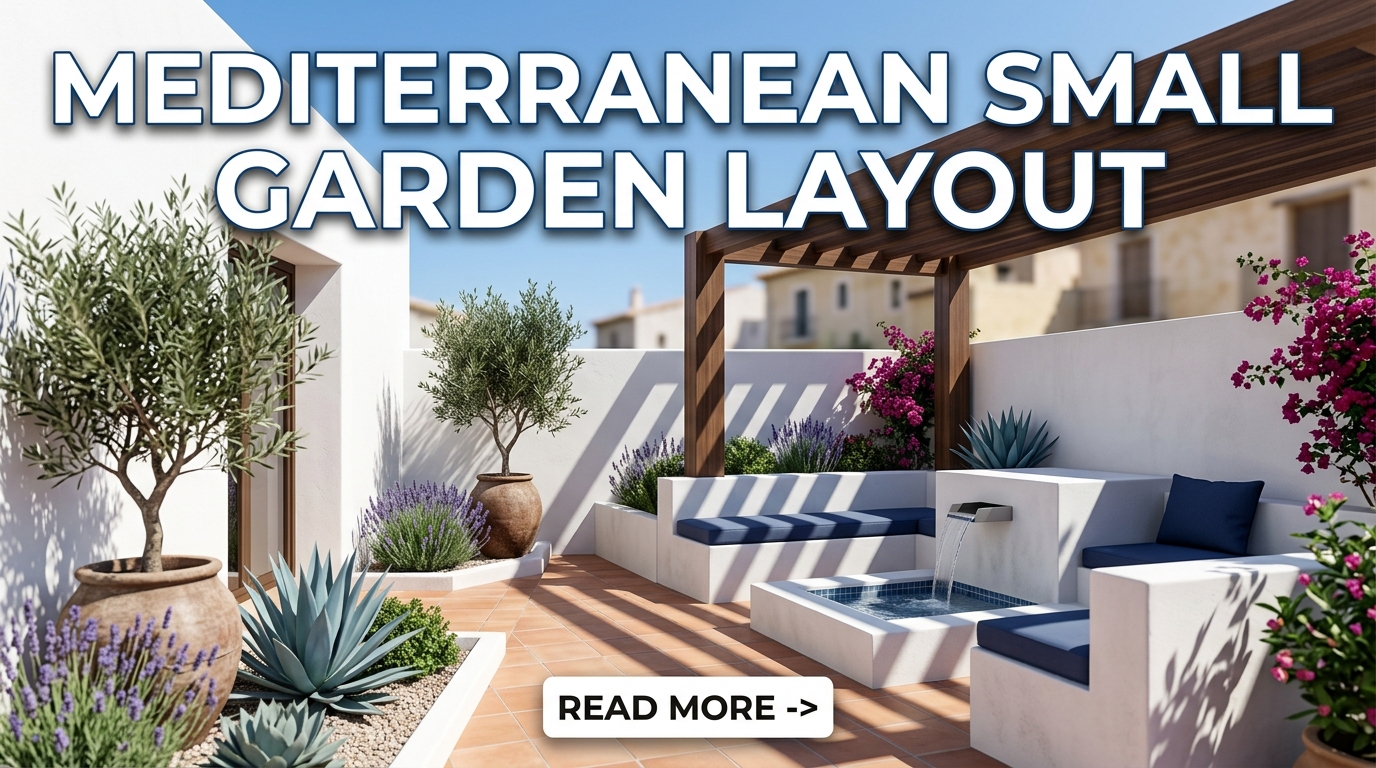
Small Garden Layout Ideas, Backyard Design, Compact Garden Planning, Space-Saving Landscaping, and Modern Garden Inspiration
A small garden may have limited space, but with the right layout, it can become a beautiful, functional, and inviting outdoor retreat. Whether you have a tiny backyard, courtyard, patio garden, side yard, or urban outdoor space, thoughtful planning can help maximize every square foot while creating the illusion of a larger landscape.
The key to a successful small garden layout is balancing aesthetics with functionality. Strategic placement of plants, pathways, seating, and focal points can transform even the smallest area into a relaxing sanctuary. By using smart design techniques, vertical gardening, and multi-purpose features, homeowners can enjoy all the benefits of a larger garden without needing extensive space.
This complete guide explores the best small garden layout ideas, planning strategies, planting techniques, and design tips to help you create an outdoor space that feels spacious, stylish, and practical.
Why Garden Layout Matters
A well-planned layout is the foundation of every successful garden.
Benefits include:
- Better use of available space
- Improved visual appeal
- Easier maintenance
- Enhanced functionality
- Greater plant health
- Increased property value
Even a compact garden can feel organized and luxurious with proper planning.
Start with a Garden Plan
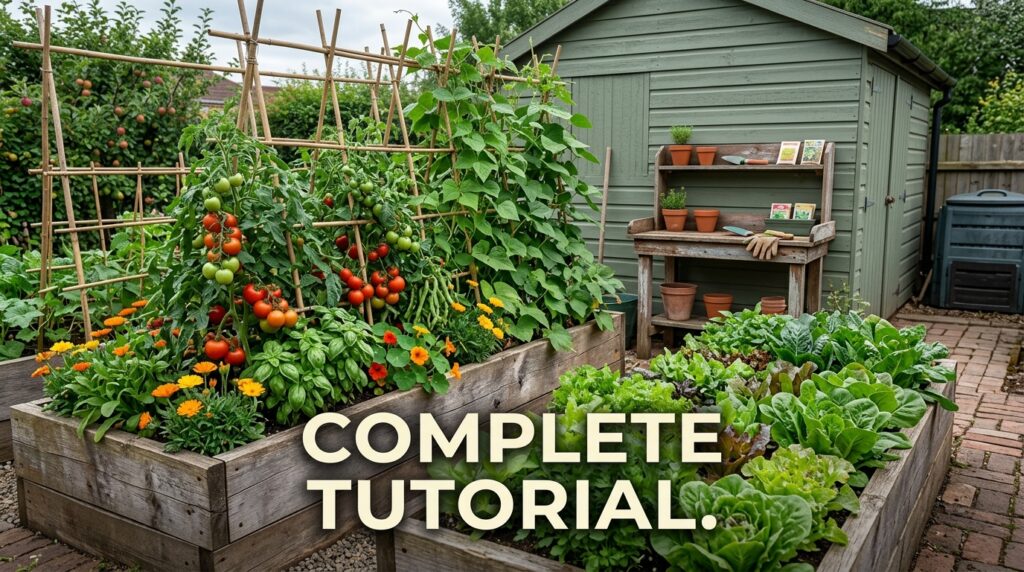
Before planting or building, sketch a simple layout.
Include:
- Existing structures
- Sunlight patterns
- Pathways
- Seating areas
- Planting zones
- Focal points
Planning ahead helps avoid costly mistakes and overcrowding.
Create a Focal Point
Every small garden should have a central feature that draws attention.
Popular focal points include:
- Water fountains
- Garden sculptures
- Ornamental trees
- Decorative planters
- Fire pits
- Outdoor seating areas
A focal point creates structure and visual interest.
Divide the Garden into Zones
Even a small garden benefits from distinct areas.
Possible zones include:
- Relaxation space
- Dining area
- Flower beds
- Vegetable garden
- Decorative feature zone
Zoning makes the garden feel larger and more purposeful.
Use Vertical Gardening
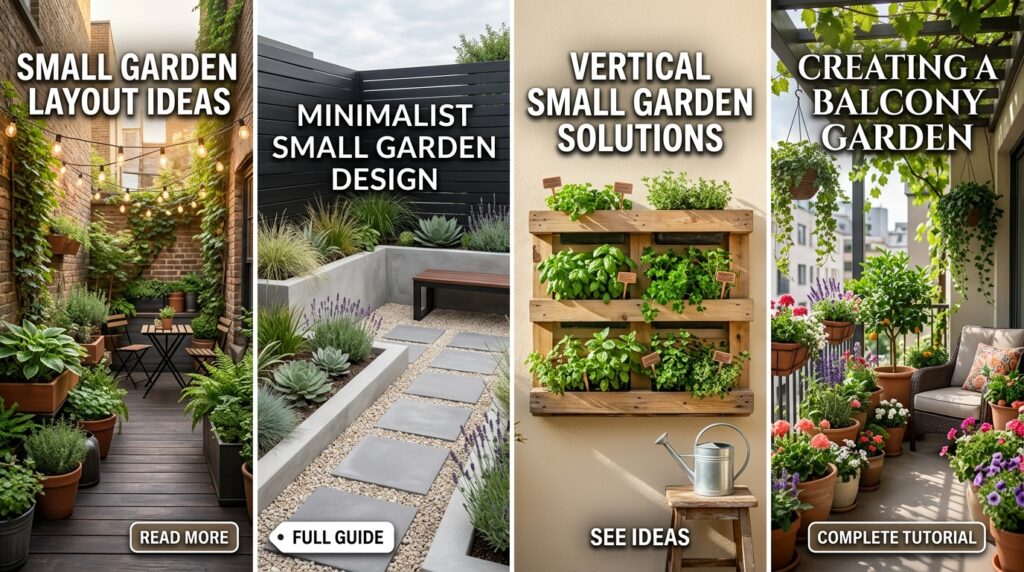
Vertical elements maximize space without increasing the garden footprint.
Ideas include:
- Trellises
- Green walls
- Hanging baskets
- Climbing plants
- Wall-mounted planters
Vertical gardening adds greenery while preserving ground space.
Design a Central Pathway
A pathway helps organize movement through the garden.
Popular materials include:
- Gravel
- Brick
- Natural stone
- Concrete pavers
Curved paths often create the illusion of a larger space.
Add a Compact Patio
A patio provides valuable outdoor living space.
Benefits include:
- Seating opportunities
- Dining area
- Entertaining space
Choose materials that complement your garden style.
Choose Multi-Functional Furniture
Space-saving furniture is essential in small gardens.
Consider:
- Storage benches
- Foldable tables
- Stackable chairs
- Built-in seating
Multi-purpose furniture increases usability.
Incorporate Raised Garden Beds
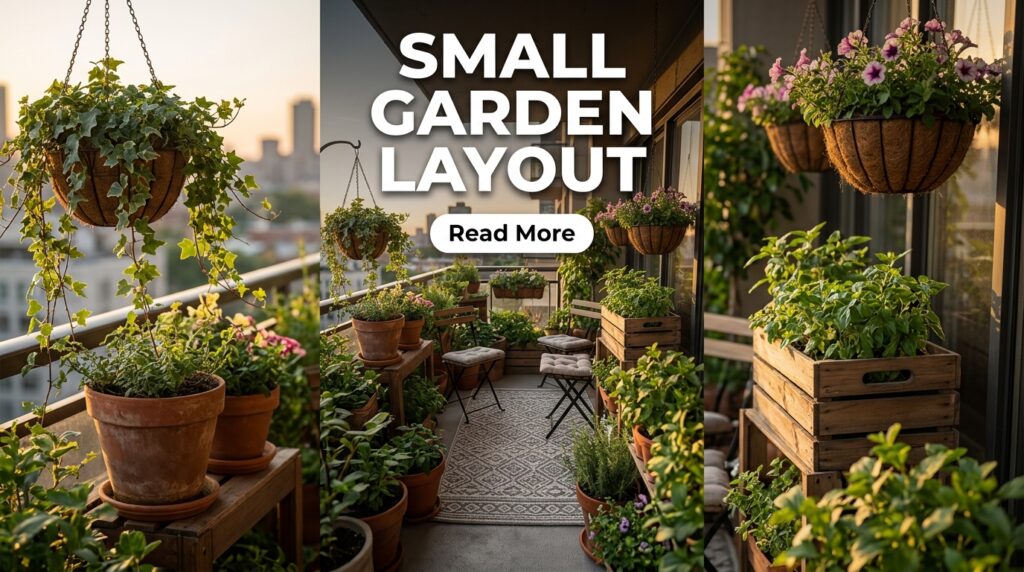
Raised beds help organize planting areas and add visual structure.
Advantages include:
- Better drainage
- Easier maintenance
- Improved soil quality
They work especially well in vegetable and flower gardens.
Create Layered Planting
Layering adds depth and dimension.
Combine:
- Ground covers
- Perennials
- Shrubs
- Small trees
Different heights make the garden appear larger.
Use Light Colors
Light-colored surfaces reflect sunlight and open up small spaces.
Choose:
- Pale paving stones
- White planters
- Light furniture
- Neutral walls
Bright elements create an airy atmosphere.
Add Mirrors for Depth
Outdoor mirrors can visually double the perceived size of a garden.
Place mirrors where they reflect:
- Plants
- Pathways
- Decorative features
This simple trick adds instant depth.
Small Courtyard Garden Layout
Courtyards are ideal for structured designs.
Features may include:
- Central seating
- Container plants
- Decorative paving
- Vertical greenery
Courtyards often feel private and intimate.
Narrow Garden Layout Ideas
Long, narrow gardens require special planning.
Tips include:
- Create multiple focal points
- Use diagonal pathways
- Break the space into sections
- Add vertical planting
These techniques prevent the garden from feeling like a corridor.
Square Garden Layout
Square gardens are easy to organize.
Popular layouts include:
- Central feature with surrounding beds
- Symmetrical planting
- Grid-style pathways
Balanced designs create harmony.
Small Modern Garden Layout
Modern gardens emphasize simplicity.
Features include:
- Clean lines
- Minimalist planting
- Geometric shapes
- Decorative gravel
- Architectural plants
Modern layouts often make small spaces feel larger.
Cottage Garden Layout
Cottage gardens create a lush and welcoming atmosphere.
Popular plants include:
- Roses
- Lavender
- Foxgloves
- Salvia
- Catmint
Dense planting maximizes visual impact.
Edible Garden Layout
Combine beauty and productivity.
Include:
- Raised vegetable beds
- Herb planters
- Fruit trees
- Vertical vegetable gardens
Edible gardens are practical and attractive.
Best Plants for Small Gardens
Choose plants that provide year-round interest without overwhelming the space.
Excellent options include:
Lavender
Compact and fragrant.
Boxwood
Provides structure and form.
Hydrangeas
Offer dramatic seasonal blooms.
Japanese Maple
Adds elegance and color.
Ornamental Grasses
Create movement and texture.
Roses
Classic beauty for small landscapes.
Add Water Features
Even a small water feature can transform the atmosphere.
Ideas include:
- Wall fountains
- Water bowls
- Mini ponds
Water adds sound, movement, and relaxation.
Outdoor Lighting Ideas
Lighting extends garden usability into the evening.
Popular options include:
- Solar lights
- String lights
- Path lights
- Spotlights
Good lighting enhances safety and ambiance.
Seasonal Interest
Plan for year-round beauty.
Spring
Tulips, daffodils, and flowering shrubs.
Summer
Roses, lavender, and hydrangeas.
Autumn
Ornamental grasses and colorful foliage.
Winter
Evergreens and structural plants.
Seasonal variety keeps the garden attractive throughout the year.
Common Small Garden Layout Mistakes
Avoid these common issues:
Overcrowding
Too many plants and features make spaces feel smaller.
Ignoring Vertical Space
Walls and fences offer valuable growing opportunities.
Lack of Focal Points
Without structure, gardens can feel disorganized.
Oversized Furniture
Large furniture overwhelms compact spaces.
Poor Path Planning
Awkward circulation reduces usability.
Maintenance Tips
Keep your small garden looking its best by:
Pruning Regularly
Maintain plant size and shape.
Cleaning Hardscapes
Keep pathways and patios tidy.
Refreshing Mulch
Improve appearance and soil health.
Watering Consistently
Support healthy plant growth.
Routine care ensures long-lasting beauty.
Frequently Asked Questions
How do I make a small garden look bigger?
Use light colors, vertical planting, mirrors, and uncluttered layouts to create the illusion of more space.
What is the best layout for a small garden?
A layout with clear zones, a focal point, and efficient pathways often works best.
Can I have a seating area in a small garden?
Yes. Compact furniture and built-in seating are excellent solutions.
What plants work well in small gardens?
Lavender, boxwood, roses, hydrangeas, ornamental grasses, and Japanese maples are popular choices.
Are raised beds suitable for small spaces?
Absolutely. Raised beds help organize the garden and improve growing conditions.
Conclusion
A well-designed small garden layout can transform even the most compact outdoor area into a functional and beautiful retreat. By using smart planning techniques, vertical gardening, layered planting, and carefully chosen focal points, you can maximize space while creating a garden that feels welcoming and spacious.
Whether you prefer a modern courtyard, a cottage-inspired landscape, a productive edible garden, or a relaxing outdoor lounge, the right layout is the key to success. With thoughtful design and regular maintenance, your small garden can provide year-round beauty, comfort, and enjoyment despite its limited size.