
 By John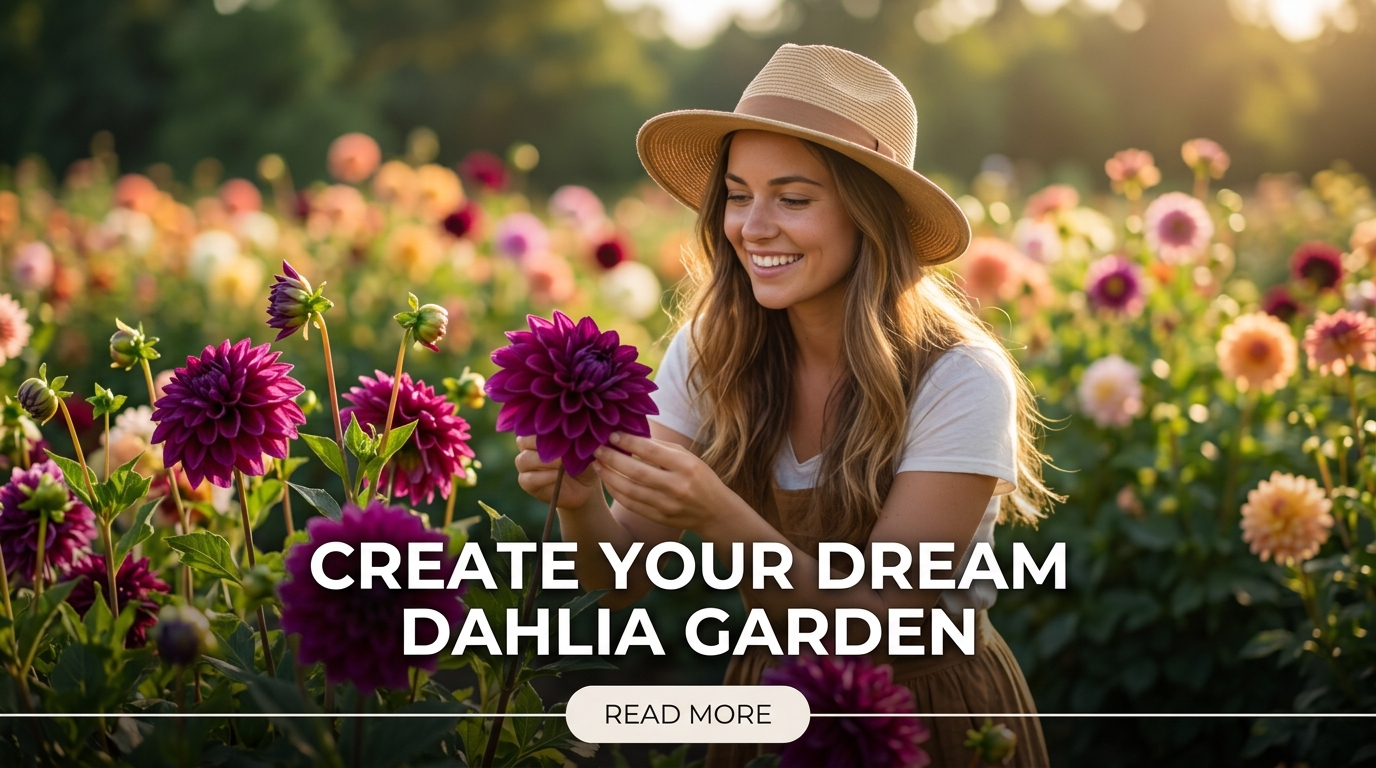
Dahlia Garden Ideas, Flower Bed Design, Cut Flower Gardens, and Seasonal Bloom Inspiration
A dahlia garden is one of the most spectacular ways to add color, texture, and elegance to your outdoor space. Known for their breathtaking blooms, wide range of colors, and incredible variety of shapes and sizes, dahlias are among the most beloved flowers for gardeners, landscapers, and flower enthusiasts. From charming cottage gardens to formal flower beds and dedicated cutting gardens, dahlias create unforgettable displays from midsummer until the first frost.
With hundreds of dahlia varieties available, gardeners can create landscapes filled with vibrant reds, soft pinks, rich purples, bright yellows, pure whites, and stunning bi-color blooms. Whether you’re planning a small backyard flower patch or a large showcase garden, dahlias can become the centerpiece of your outdoor space.
This complete guide covers everything you need to know about designing, planting, growing, and maintaining a beautiful dahlia garden.
What Is a Dahlia Garden?
A dahlia garden is a flower garden primarily designed around dahlia plants and their colorful blooms.
These gardens often feature:
- Mixed dahlia varieties
- Seasonal flower beds
- Cutting garden sections
- Decorative pathways
- Companion plants
- Pollinator-friendly flowers
Dahlias provide months of continuous blooms, making them a valuable addition to any landscape.
Why Grow Dahlias?
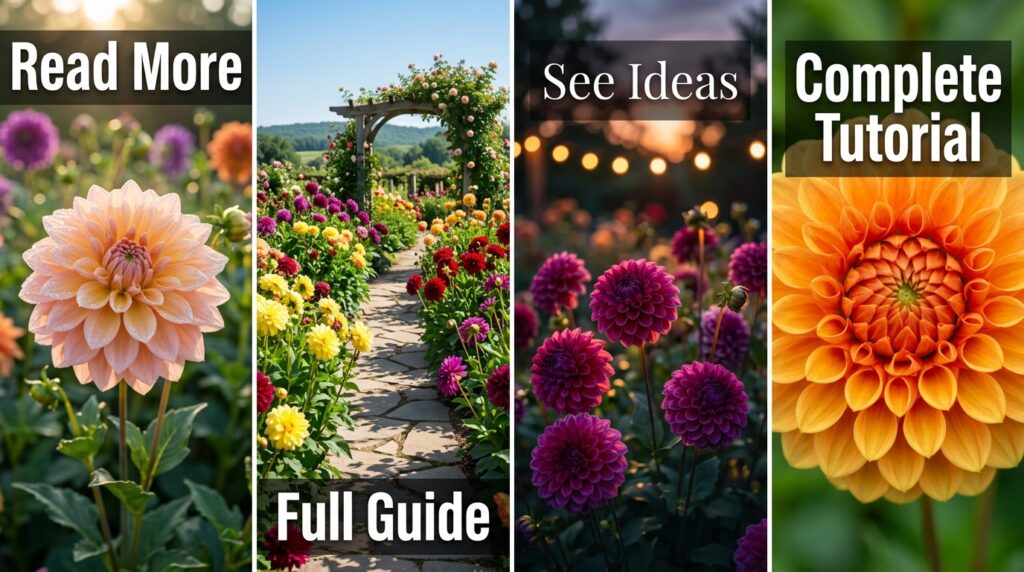
Dahlias are popular for many reasons.
Long Blooming Season
They flower from summer until frost.
Huge Variety
Thousands of cultivars offer endless design possibilities.
Excellent Cut Flowers
Dahlias are highly prized in floral arrangements.
Pollinator Friendly
Many varieties attract bees and butterflies.
Dramatic Garden Impact
Few flowers provide the same level of visual interest.
Understanding Dahlia Types
Dahlias come in many forms.
Popular categories include:
Decorative Dahlias
Large, fully double blooms with elegant petals.
Dinnerplate Dahlias
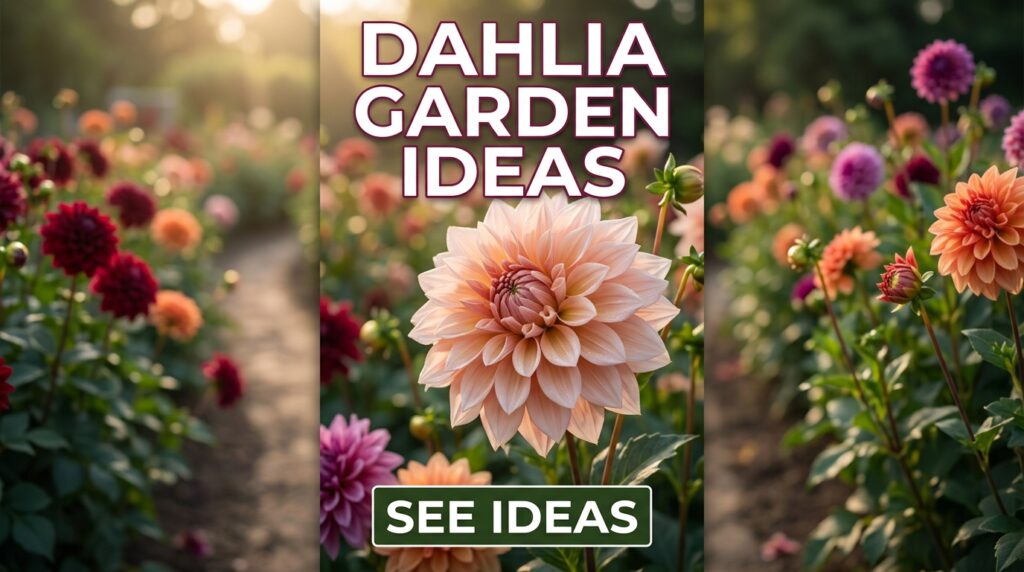
Massive flowers that can exceed 10 inches in diameter.
Pompon Dahlias
Small, perfectly rounded blooms.
Ball Dahlias
Symmetrical flowers ideal for bouquets.
Cactus Dahlias
Long, pointed petals create dramatic texture.
Waterlily Dahlias
Soft, elegant blooms resembling water lilies.
Mixing types creates a dynamic and visually interesting garden.
Choosing the Best Location
Dahlias thrive in sunny conditions.
Requirements include:
- At least 6–8 hours of sunlight daily
- Good air circulation
- Well-draining soil
- Protection from strong winds
A sunny location encourages strong growth and abundant blooms.
Preparing the Soil
Healthy soil is essential for successful dahlias.
Improve soil by adding:
- Compost
- Well-rotted manure
- Organic matter
Ideal soil conditions include:
- Loose texture
- Good drainage
- Moderate fertility
- Slightly acidic to neutral pH
Rich soil supports vigorous growth.
Planning a Dahlia Garden Layout
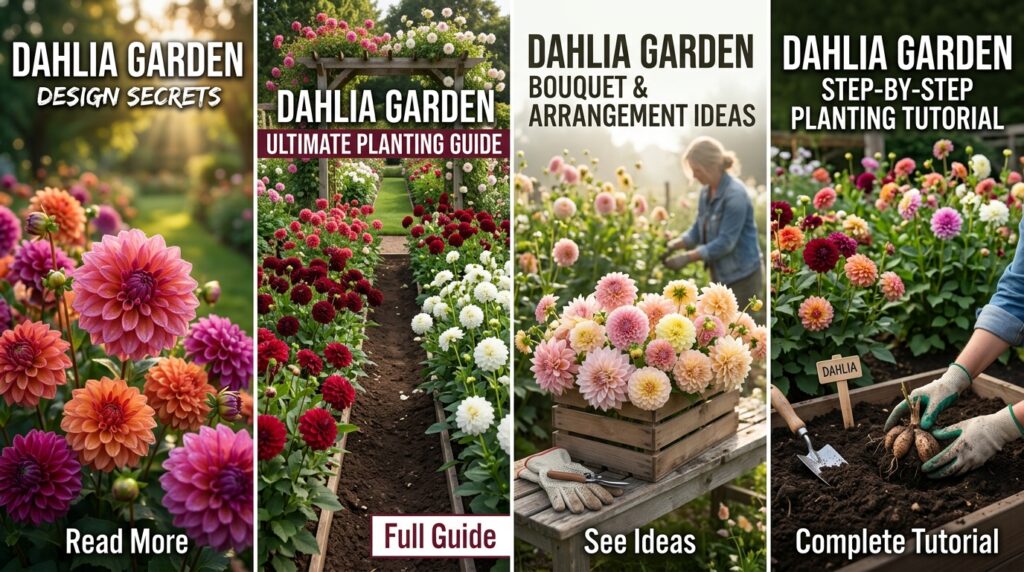
Careful planning creates a more attractive display.
Consider:
Height
Place taller dahlias toward the back of beds.
Color
Arrange flowers by complementary or contrasting shades.
Bloom Size
Mix large and small flowers for visual balance.
Accessibility
Leave pathways for maintenance and harvesting.
A thoughtful layout maximizes impact.
Popular Dahlia Garden Themes
Cottage Garden
Combine dahlias with roses, foxgloves, and cosmos.
Cutting Garden
Focus on varieties that produce long stems.
Formal Flower Garden
Use symmetrical planting and color coordination.
Pollinator Garden
Mix dahlias with nectar-rich companion plants.
Rainbow Garden
Arrange blooms by color for a vibrant display.
Best Dahlia Colors for Garden Design
Popular color choices include:
- White
- Cream
- Pink
- Red
- Orange
- Yellow
- Purple
- Burgundy
Mixing colors creates stunning visual effects.
Companion Plants for Dahlias
Many plants pair beautifully with dahlias.
Cosmos
Adds softness and movement.
Salvia
Provides vertical accents.
Zinnias
Extend seasonal color.
Lavender
Offers fragrance and pollinator appeal.
Echinacea
Adds texture and structure.
Ornamental Grasses
Create contrast and movement.
Companion plants enhance the overall design.
Creating a Dahlia Cutting Garden
Dahlias are among the best cut flowers.
Benefits include:
- Continuous flower production
- Long stems
- Wide color selection
- Stunning arrangements
Dedicate a section of your garden to harvesting blooms for bouquets.
Supporting Dahlia Plants
Many varieties grow tall and require support.
Options include:
- Stakes
- Plant supports
- Garden cages
- Trellis systems
Install supports early to avoid damaging roots later.
Watering Dahlias
Proper watering is important.
Guidelines include:
- Water deeply
- Avoid waterlogging
- Allow soil surface to dry slightly between watering
Consistent moisture encourages healthy growth.
Fertilizing Dahlias
Feed plants regularly during the growing season.
Use:
- Balanced fertilizers
- Low-nitrogen formulas
- Organic compost
Avoid excessive nitrogen, which promotes foliage rather than flowers.
Encouraging More Blooms
To maximize flowering:
- Deadhead spent flowers
- Harvest blooms frequently
- Feed regularly
- Water consistently
These practices encourage continued production.
Dahlia Garden Ideas for Small Spaces
Even small gardens can showcase dahlias.
Ideas include:
- Raised beds
- Container gardens
- Patio planters
- Compact flower borders
Choose smaller varieties for limited spaces.
Container Dahlia Gardens
Many dahlias perform well in containers.
Benefits include:
- Flexible placement
- Easier maintenance
- Patio decoration
- Suitable for balconies
Use large containers with good drainage.
Pollinator-Friendly Dahlia Gardens
Dahlias attract beneficial insects.
Combine with:
- Lavender
- Bee balm
- Salvia
- Cosmos
A diverse garden supports pollinator populations.
Seasonal Care
Spring
Plant tubers after frost danger passes.
Summer
Water, feed, and deadhead regularly.
Autumn
Continue harvesting blooms until frost.
Winter
Lift and store tubers in cold climates.
Seasonal care ensures healthy plants year after year.
Common Dahlia Garden Problems
Watch for:
- Powdery mildew
- Aphids
- Slugs
- Poor drainage
- Weak stems
Early intervention prevents major issues.
Storing Dahlia Tubers
In colder regions:
- Dig tubers after frost.
- Remove excess soil.
- Allow them to dry.
- Store in a cool, frost-free location.
Proper storage protects plants through winter.
Frequently Asked Questions
Do dahlias come back every year?
In warm climates, they may remain in the ground. In colder regions, tubers are usually lifted and stored for winter.
How much sunlight do dahlias need?
At least six to eight hours of direct sunlight daily.
Are dahlias good cut flowers?
Yes. Dahlias are among the most popular flowers for bouquets and arrangements.
What plants grow well with dahlias?
Cosmos, zinnias, lavender, salvia, echinacea, and ornamental grasses are excellent companions.
When do dahlias bloom?
Most varieties bloom from midsummer until the first frost.
Conclusion
A dahlia garden is a breathtaking addition to any landscape, offering months of vibrant color, endless variety, and exceptional beauty. Whether you prefer a romantic cottage garden, a productive cutting garden, or a formal floral display, dahlias provide stunning blooms that capture attention throughout the growing season.
With proper planning, healthy soil, regular care, and thoughtful design, you can create a dahlia garden that becomes the highlight of your outdoor space. From dramatic dinnerplate varieties to delicate pompons and elegant waterlily types, dahlias offer endless possibilities for gardeners seeking a truly spectacular garden experience.