
 By John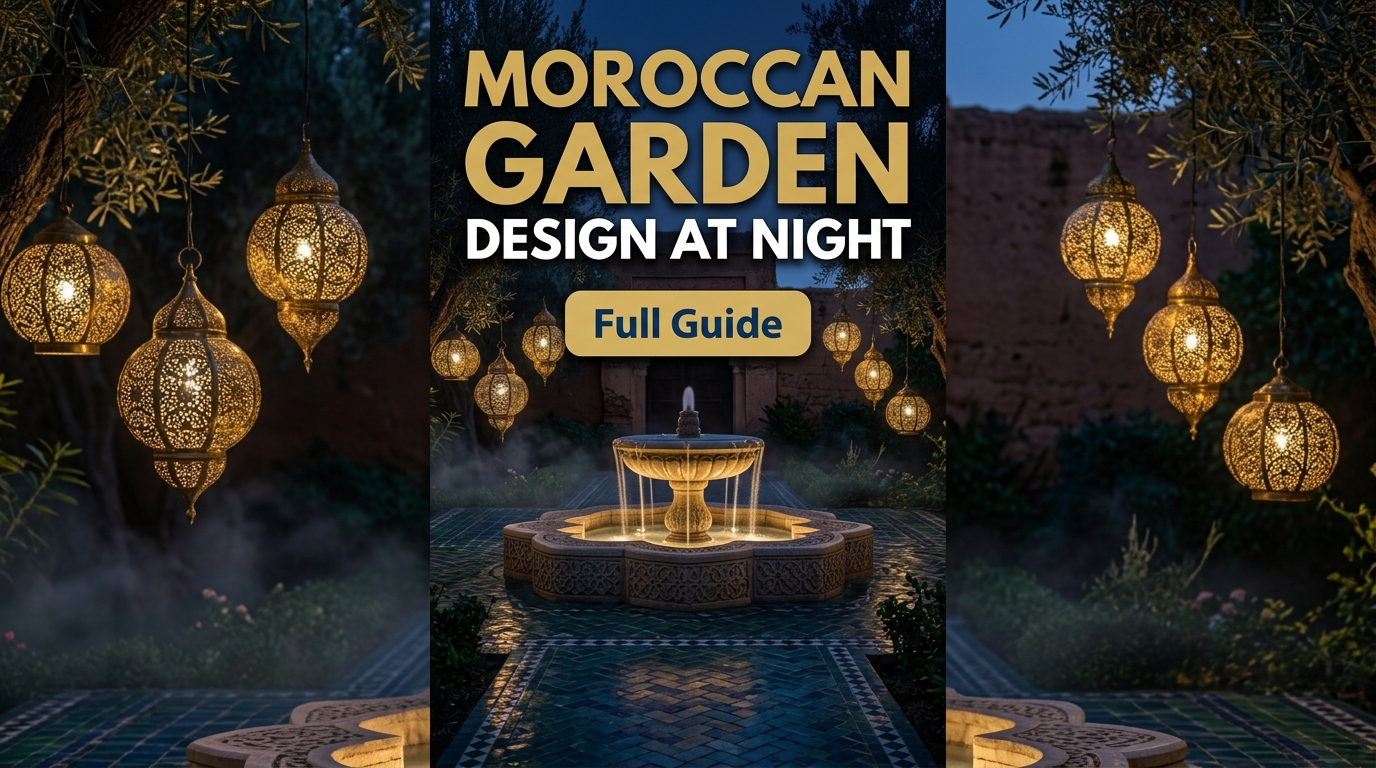
Moroccan Garden Ideas, Courtyard Design, Mediterranean Landscaping, Water Features, and Outdoor Decor Inspiration
A Moroccan garden is a captivating blend of lush greenery, intricate architecture, colorful tiles, and peaceful water features. Inspired by the historic riads and palaces of Morocco, these gardens are designed to provide beauty, shade, relaxation, and a connection to nature. Rich in culture and artistic detail, a Moroccan-style garden transforms any outdoor space into an exotic retreat filled with elegance and serenity.
Traditional Moroccan gardens often feature enclosed courtyards, geometric layouts, tiled fountains, fragrant plants, and comfortable seating areas. Whether you have a spacious backyard, a small courtyard, a rooftop terrace, or a compact patio, Moroccan design principles can help create a stunning and inviting outdoor sanctuary.
This complete guide explores Moroccan garden design, plant selections, landscaping elements, decor ideas, and practical tips to help you create your own Moroccan-inspired paradise.
What Is a Moroccan Garden?
A Moroccan garden is an outdoor space inspired by the landscapes, architecture, and cultural traditions of Morocco.
Key characteristics include:
- Enclosed courtyards
- Geometric layouts
- Decorative tiles
- Water features
- Lush planting
- Shaded seating areas
- Vibrant colors
- Intricate architectural details
These gardens are designed to provide comfort and beauty, especially in warm climates.
History of Moroccan Gardens
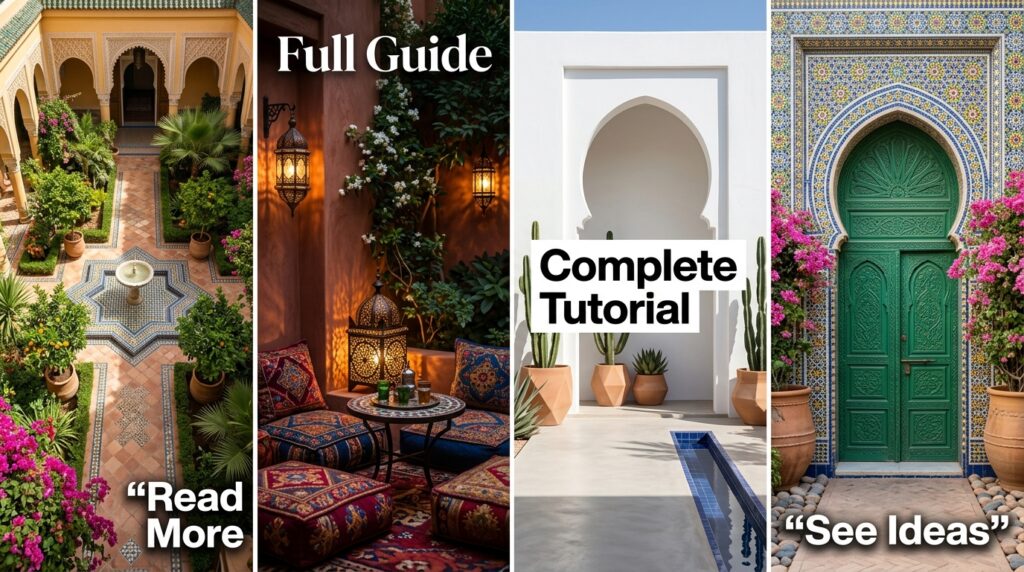
Moroccan garden design has been influenced by Islamic, Andalusian, and Mediterranean traditions.
Historically, gardens were designed as peaceful sanctuaries where families could relax, socialize, and escape the heat. Water, shade, fragrance, and symmetry played important roles in creating harmonious environments.
Many modern Moroccan gardens continue to follow these timeless design principles.
Benefits of a Moroccan Garden
Moroccan gardens offer many advantages.
Relaxing Atmosphere
The combination of water, plants, and shaded spaces promotes tranquility.
Timeless Beauty
Moroccan design remains elegant and stylish across generations.
Functional Outdoor Living
Comfortable seating areas encourage outdoor enjoyment.
Rich Visual Interest
Colors, textures, and decorative details create unique landscapes.
Suitable for Various Spaces
Moroccan design works in both large and small gardens.
Planning Your Moroccan Garden
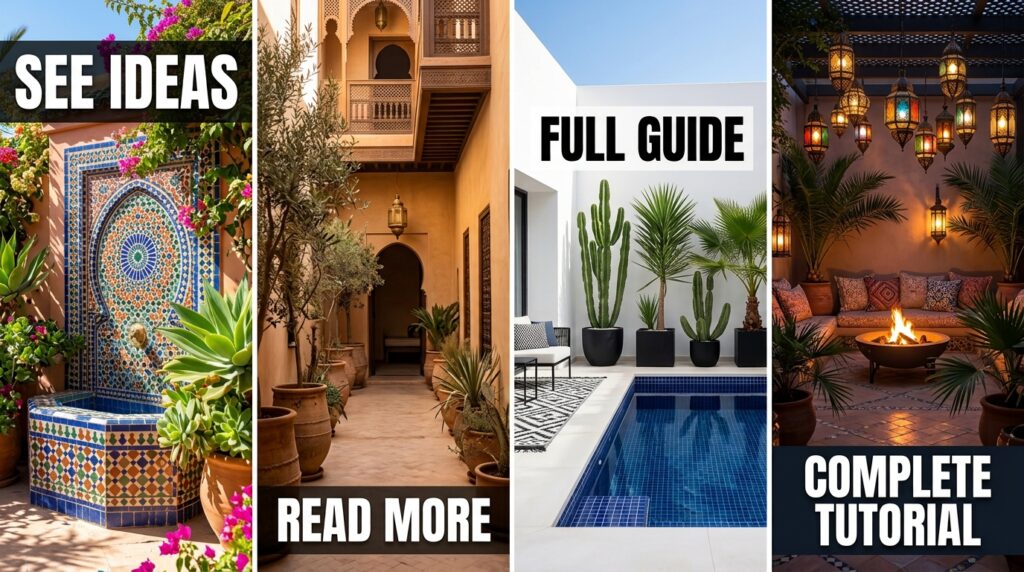
Before starting, consider:
Available Space
Determine whether you’re designing a courtyard, backyard, patio, or terrace.
Climate
Choose plants and materials suited to local conditions.
Budget
Decorative elements can be scaled to fit different budgets.
Theme
Decide how traditional or modern you want the design to be.
Careful planning ensures a cohesive result.
Create an Enclosed Garden Feel
Traditional Moroccan gardens often feel private and sheltered.
Ways to achieve this include:
- Garden walls
- Decorative screens
- Tall hedges
- Pergolas
- Trellises
Creating enclosure enhances intimacy and comfort.
Geometric Garden Layouts
Geometry is central to Moroccan design.
Popular features include:
- Symmetrical pathways
- Square courtyards
- Circular fountains
- Repeating patterns
Organized layouts create balance and elegance.
Water Features for a Moroccan Garden
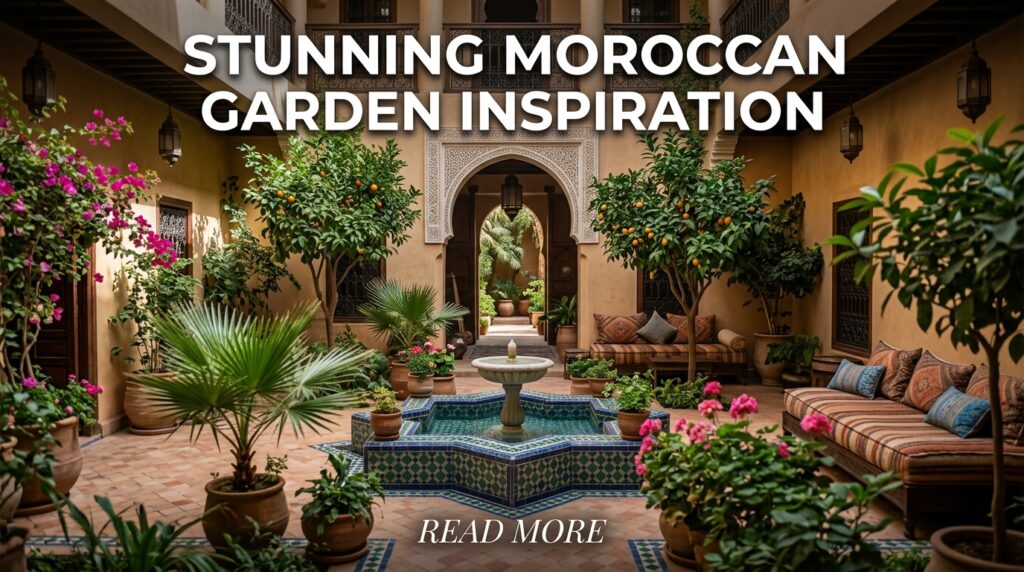
Water is one of the most important elements.
Popular choices include:
Tiled Fountains
Classic Moroccan focal points.
Reflecting Pools
Create calm and visual depth.
Wall Fountains
Perfect for small courtyards.
Decorative Water Bowls
Simple yet effective additions.
The sound of water contributes to a peaceful atmosphere.
Moroccan Tile Ideas
Colorful tiles add character and authenticity.
Use tiles on:
- Fountains
- Pathways
- Walls
- Steps
- Planters
Traditional geometric patterns are particularly popular.
Best Plants for a Moroccan Garden
Plant selection helps establish the overall atmosphere.
Olive Trees
Provide Mediterranean charm and structure.
Citrus Trees
Add fragrance and seasonal fruit.
Jasmine
Offers beautiful scent and climbing growth.
Lavender
Introduces color and fragrance.
Bougainvillea
Creates vibrant displays of flowers.
Palm Trees
Add height and exotic appeal.
Rosemary
Attractive, fragrant, and drought tolerant.
Create Shaded Areas
Shade is essential in Moroccan garden design.
Options include:
- Pergolas
- Canopies
- Fabric sails
- Vine-covered structures
Shaded spaces remain comfortable throughout the day.
Moroccan Outdoor Seating Ideas
Comfortable seating encourages relaxation and social gatherings.
Popular options include:
- Low sofas
- Cushioned benches
- Daybeds
- Outdoor lounges
- Floor cushions
Layer textiles to create warmth and comfort.
Moroccan Garden Color Palette
Traditional colors include:
- Terracotta
- Deep blue
- Emerald green
- Turquoise
- White
- Sand tones
These colors reflect Morocco’s landscapes and architecture.
Decorative Lanterns and Lighting
Lighting creates a magical evening atmosphere.
Popular choices include:
- Moroccan lanterns
- Candle holders
- String lights
- Wall sconces
Intricate metal lanterns cast beautiful shadows after dark.
Courtyard Garden Ideas
Courtyards are ideal for Moroccan-inspired designs.
Include:
- Central fountains
- Decorative pots
- Symmetrical planting
- Tiled surfaces
Even small courtyards can capture the essence of Morocco.
Moroccan Garden Pathways
Beautiful pathways guide movement through the garden.
Materials include:
- Mosaic tiles
- Natural stone
- Gravel
- Brick
Curved or symmetrical paths both work well.
Decorative Pots and Planters
Large decorative containers are commonly used.
Fill them with:
- Citrus trees
- Lavender
- Herbs
- Flowering plants
Decorative pots become design features themselves.
Outdoor Dining Spaces
Moroccan gardens are perfect for entertaining.
Include:
- Dining tables
- Comfortable seating
- Shade structures
- Ambient lighting
Outdoor meals become memorable experiences.
Small Moroccan Garden Ideas
Limited space does not prevent beautiful design.
Use:
- Vertical planting
- Decorative screens
- Compact fountains
- Hanging lanterns
Thoughtful details can transform even tiny spaces.
Modern Moroccan Garden Design
Modern interpretations often combine traditional elements with contemporary simplicity.
Features may include:
- Minimalist layouts
- Neutral color palettes
- Clean lines
- Contemporary furniture
This style blends tradition with modern living.
Maintenance Tips
Keep your Moroccan garden beautiful by:
- Pruning regularly
- Cleaning fountains
- Maintaining tile surfaces
- Refreshing potted plants
- Monitoring irrigation
Consistent care preserves the garden’s charm.
Common Mistakes to Avoid
Avoid these design mistakes:
- Overcrowding decorations
- Ignoring symmetry
- Using too many colors
- Neglecting shade
- Forgetting focal points
Balance is key to successful Moroccan design.
Frequently Asked Questions
What is a Moroccan garden?
A Moroccan garden is an outdoor space inspired by traditional Moroccan courtyards and landscapes, featuring water, tiles, geometric layouts, and lush planting.
What plants work best in a Moroccan garden?
Olive trees, citrus trees, jasmine, lavender, rosemary, bougainvillea, and palms are popular choices.
Can I create a Moroccan garden in a small space?
Yes. Courtyards, patios, balconies, and terraces can all incorporate Moroccan design elements.
What colors are commonly used?
Terracotta, turquoise, blue, green, white, and natural earth tones are traditional Moroccan colors.
Are Moroccan gardens high maintenance?
Not necessarily. Choosing drought-tolerant plants and efficient irrigation can keep maintenance manageable.
Conclusion
A Moroccan garden is a timeless blend of beauty, culture, and tranquility. Through the use of water features, geometric layouts, fragrant plants, decorative tiles, and comfortable seating areas, you can create an outdoor oasis that feels both luxurious and welcoming.
Whether you’re designing a grand courtyard, a cozy patio, or a small backyard retreat, Moroccan-inspired landscaping offers endless opportunities to combine elegance, relaxation, and artistic expression. With thoughtful planning and authentic details, your Moroccan garden can become a peaceful sanctuary that transports you to the enchanting landscapes of North Africa.