
 By John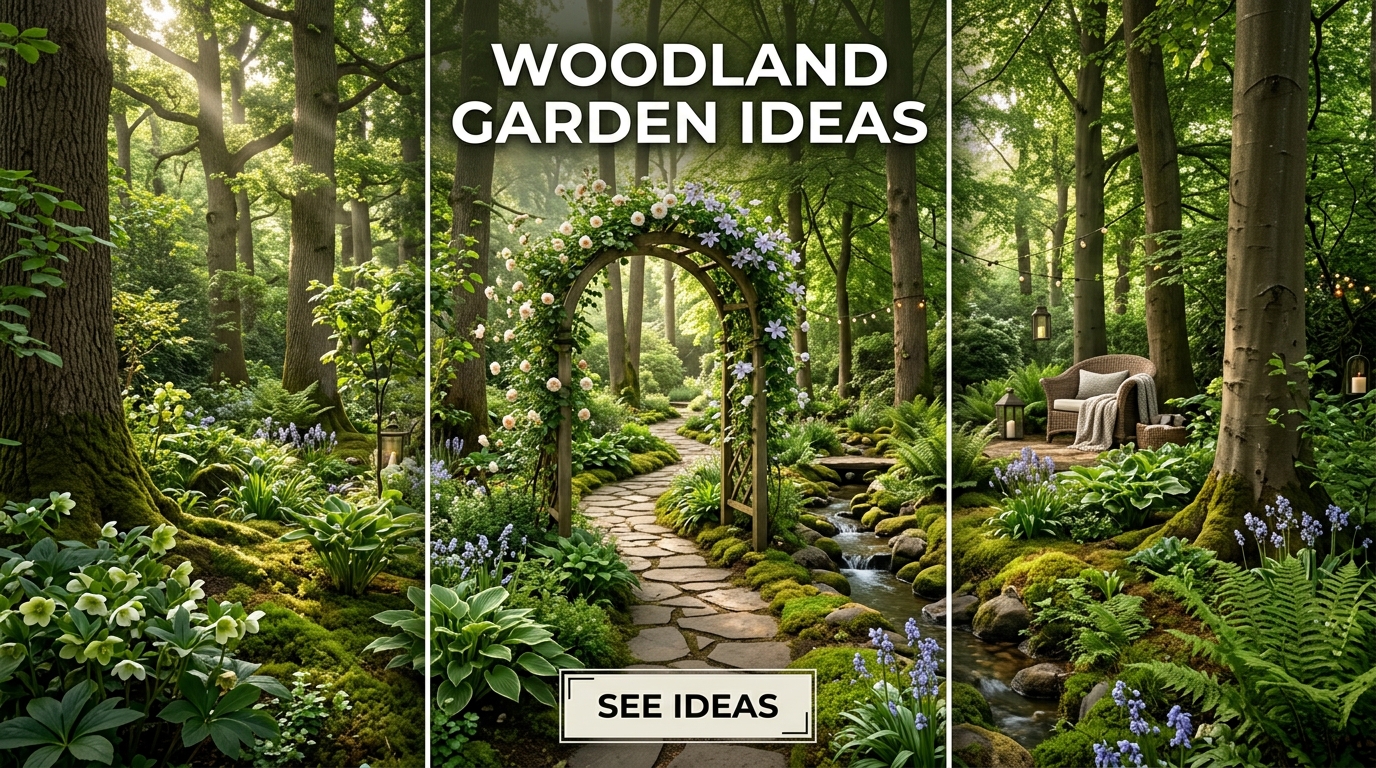
Woodland Garden Ideas: Beautiful Shade Plants, Natural Landscaping, and Forest Garden Inspiration
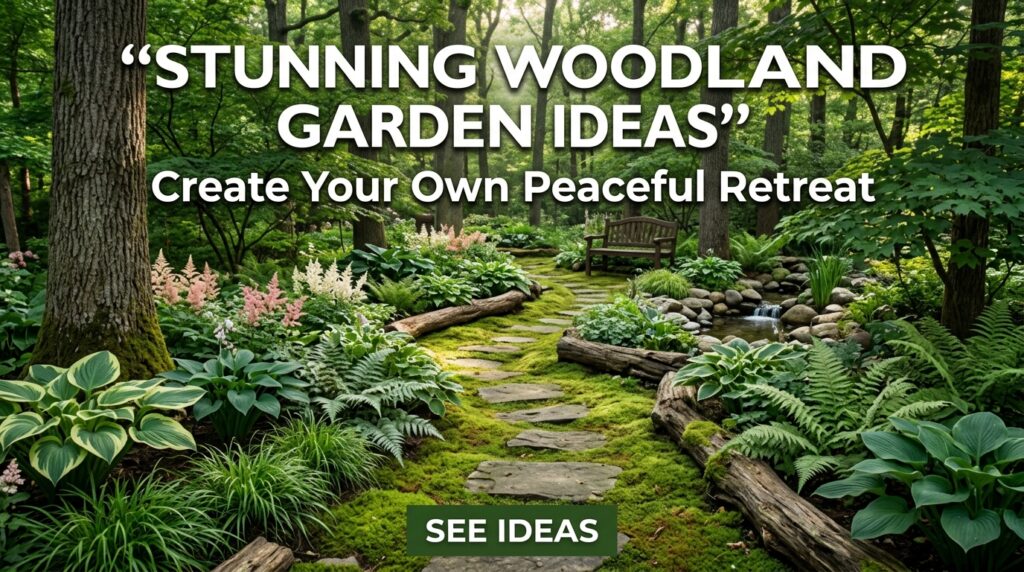
A woodland garden is a tranquil outdoor space inspired by the beauty of natural forests. Filled with towering trees, winding paths, lush greenery, shade-loving plants, and rustic features, a woodland garden offers a peaceful retreat where nature takes center stage. Whether you have a large backyard with mature trees or a small shaded corner, you can transform your outdoor space into a woodland paradise with thoughtful planning and the right plant selection.
Unlike formal gardens with perfectly trimmed hedges and symmetrical flower beds, woodland gardens embrace a relaxed and natural appearance. Layers of trees, shrubs, ferns, wildflowers, moss, and ground covers create a rich landscape full of texture, color, and seasonal interest. The result is a low-maintenance garden that supports wildlife while providing a calm place to relax and enjoy nature.
This complete guide covers everything you need to know about woodland garden ideas, including planning, plant selection, pathways, seating areas, wildlife gardening, maintenance, and design inspiration.
What Is a Woodland Garden?
A woodland garden is a landscape designed to mimic the natural beauty of a forest. It combines shade-loving plants with trees, shrubs, natural materials, and informal layouts to create a peaceful environment.
Common features include:
- Mature trees
- Ferns
- Woodland flowers
- Moss-covered stones
- Curved pathways
- Rustic seating
- Native plants
- Natural mulch
- Bird-friendly habitats
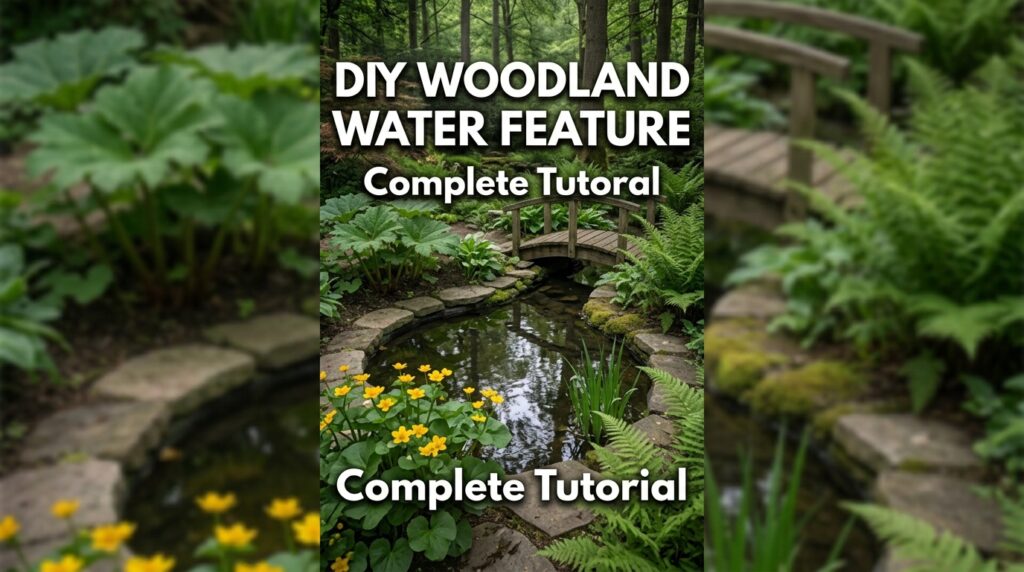
- Water features
The goal is to create a garden that blends seamlessly with nature.
Benefits of a Woodland Garden
Woodland gardens provide many advantages.
Benefits include:
- Low maintenance
- Excellent shade garden
- Supports wildlife
- Improves biodiversity
- Natural cooling effect
- Year-round beauty
- Peaceful atmosphere
- Sustainable landscaping
A woodland garden becomes more beautiful as it matures.
Planning Your Woodland Garden
Before planting, carefully evaluate your landscape.
Consider:
- Existing trees
- Sunlight levels
- Soil moisture
- Drainage
- Available space
- Garden access
- Wildlife activity
- Seasonal changes
Understanding your site’s natural conditions will help you choose the right plants.
Preserve Existing Trees
Trees form the foundation of every woodland garden.
Popular choices include:
- Oak
- Maple
- Birch
- Dogwood
- Beech
- Magnolia
Healthy mature trees provide shade and structure.
Layer Your Planting
Natural forests grow in layers.
Include:
- Tall canopy trees
- Small ornamental trees
- Flowering shrubs
- Ferns
- Ground covers
Layered planting creates depth and visual interest.
Best Woodland Flowers
Shade-loving flowers add seasonal color.
Popular choices include:
- Bluebells
- Trilliums
- Columbines
- Bleeding Hearts
- Primroses
- Anemones
- Foxgloves
- Hellebores
- Woodland Phlox
- Lily of the Valley
Choose flowers with different bloom times for year-round beauty.
Fern Garden Ideas
Ferns are essential woodland plants.
Popular varieties include:
- Japanese Painted Fern
- Lady Fern
- Ostrich Fern
- Christmas Fern
- Cinnamon Fern
- Maidenhair Fern
Their delicate foliage adds texture throughout the growing season.
Ground Cover Plants
Ground covers create a soft, natural carpet.
Excellent options include:
- Moss
- Ajuga
- Sweet Woodruff
- Wild Ginger
- Creeping Jenny
- Vinca
Ground covers help reduce weeds and retain moisture.
Woodland Shrubs
Shrubs provide structure and seasonal interest.
Good choices include:
- Hydrangea
- Rhododendron
- Azalea
- Viburnum
- Mountain Laurel
- Camellia
Flowering shrubs brighten shaded gardens.
Curved Garden Paths
Natural pathways invite exploration.
Popular materials include:
- Wood chips
- Gravel
- Natural stone
- Bark mulch
- Stepping stones
Curved paths create a sense of discovery.
Woodland Seating Areas
Create peaceful places to relax.
Include:
- Rustic wooden benches
- Stone seating
- Adirondack chairs
- Tree stumps
- Pergolas
Position seating where you can enjoy views of flowers and wildlife.
Water Features
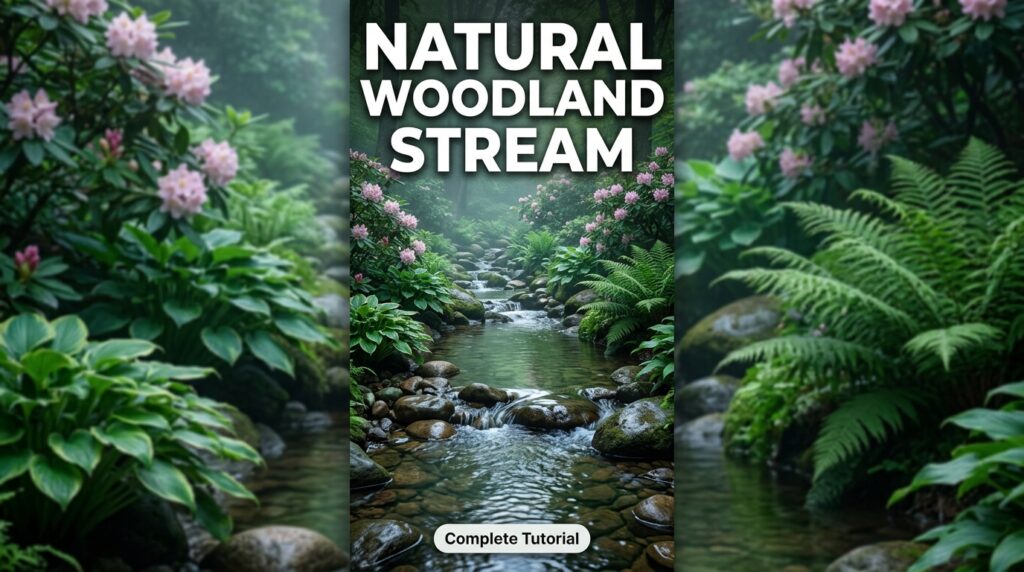
The sound of water enhances woodland settings.
Ideas include:
- Small ponds
- Bubbling fountains
- Natural streams
- Bird baths
- Waterfalls
Water attracts birds, butterflies, and beneficial insects.
Wildlife-Friendly Garden
Encourage wildlife by planting native species.
Provide:
- Bird feeders
- Nesting boxes
- Pollinator flowers
- Fallen logs
- Water sources
A healthy woodland garden supports birds, butterflies, frogs, and beneficial insects.
Decorative Features
Keep decorations subtle and natural.
Ideas include:
- Wooden bridges
- Stone sculptures
- Rustic lanterns
- Tree stumps
- Moss-covered pots
Natural materials blend beautifully with the woodland setting.
Garden Lighting
Soft lighting extends the enjoyment of your garden.
Use:
- Solar path lights
- Lanterns
- Warm LED lights
- Tree uplighting
- String lights
Avoid overly bright lighting to preserve the peaceful atmosphere.
Seasonal Interest
A woodland garden should remain attractive throughout the year.
Spring
Plant:
- Bluebells
- Primroses
- Trilliums
- Hellebores
Summer
Enjoy:
- Ferns
- Hydrangeas
- Foxgloves
- Hostas
Autumn
Feature:
- Colorful foliage
- Ornamental grasses
- Woodland berries
- Decorative seed heads
Winter
Maintain interest with:
- Evergreen shrubs
- Moss
- Tree bark
- Holly
- Decorative branches
Seasonal variety keeps the garden engaging year-round.
Small Woodland Garden Ideas
Even compact gardens can capture woodland charm.
Ideas include:
- Mini fern gardens
- Moss pathways
- Shade containers
- Vertical planting
- Small water features
Careful planting creates the illusion of a larger space.
Sustainable Woodland Gardening
Protect the environment through sustainable practices.
Include:
- Compost
- Rainwater collection
- Native plants
- Organic mulch
- Natural pest control
These methods improve soil health while reducing maintenance.
Common Design Mistakes
Avoid these common problems:
- Removing too many trees
- Overcrowding plants
- Using sun-loving flowers in shade
- Straight pathways
- Excessive decorations
- Poor drainage
Natural balance is key to successful woodland design.
Maintenance Tips
Woodland gardens require less maintenance than many traditional landscapes.
Routine tasks include:
- Removing invasive weeds
- Refreshing mulch
- Watering during dry periods
- Pruning damaged branches
- Dividing perennials
- Cleaning pathways
Minimal intervention helps preserve the natural appearance.
Frequently Asked Questions
What plants grow best in a woodland garden?
Ferns, hostas, bluebells, foxgloves, hydrangeas, rhododendrons, hellebores, and native woodland wildflowers thrive in shaded environments.
Can I create a woodland garden without mature trees?
Yes. You can plant ornamental trees and shade-loving plants to gradually develop the look of a woodland landscape.
Is a woodland garden low maintenance?
Yes. Once established, woodland gardens typically require less watering, mowing, and pruning than formal gardens.
How do I make a small woodland garden?
Use compact trees, ferns, moss, curved pathways, natural stone, and layered planting to create depth in limited spaces.
What type of mulch is best for woodland gardens?
Organic materials such as bark chips, shredded leaves, pine needles, and compost mimic the natural forest floor while improving soil quality.
Conclusion
Woodland garden ideas offer a timeless way to transform shaded outdoor spaces into peaceful natural retreats filled with texture, color, and wildlife. By combining mature trees, graceful ferns, woodland flowers, natural pathways, rustic seating, and sustainable gardening practices, you can create a landscape that feels both relaxing and inspiring.
Whether you have a spacious backyard or a small shaded corner, a thoughtfully designed woodland garden provides year-round beauty with relatively low maintenance. With careful planning and the right mix of native plants, your woodland garden will become a serene sanctuary where nature thrives and every season brings new beauty.