
 By John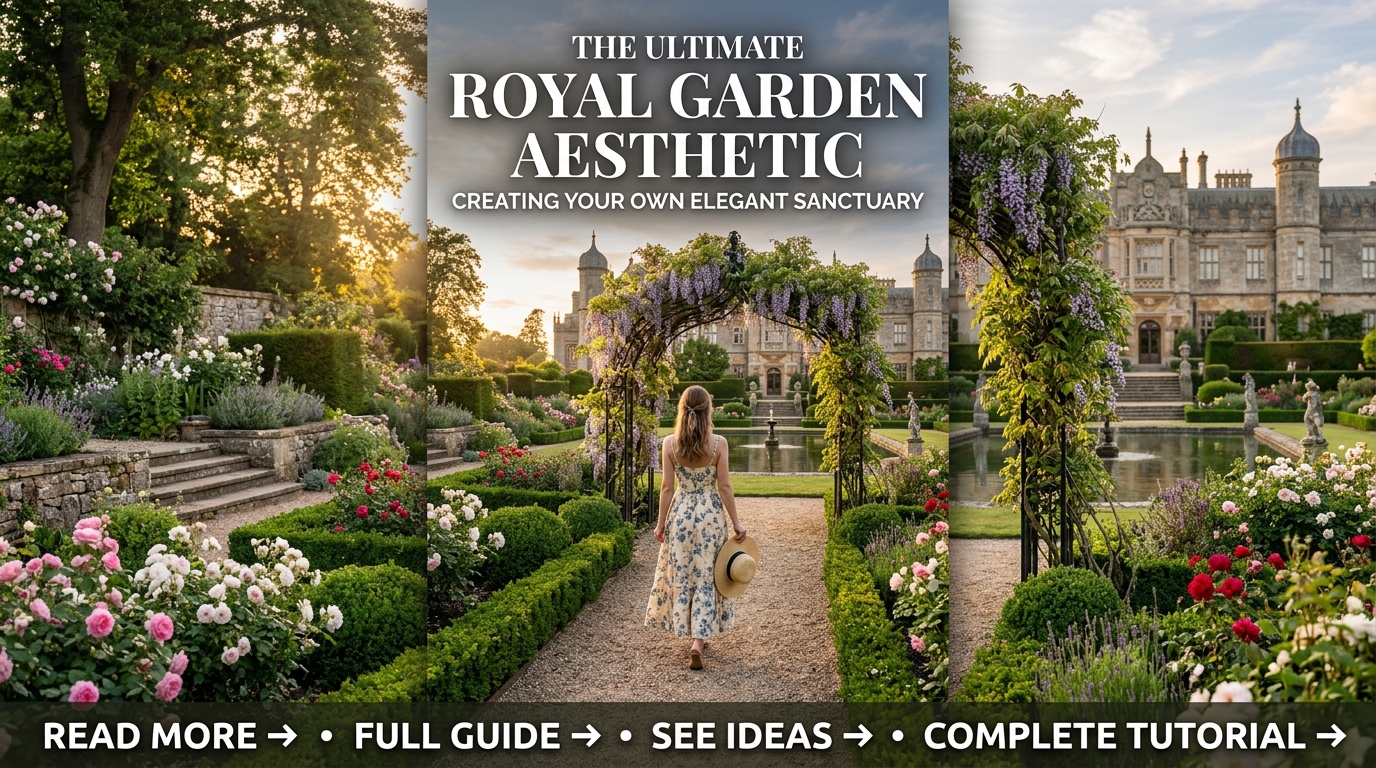
Royal Garden Aesthetic: Design an Elegant Landscape Inspired by Palaces and Historic Estates
A royal garden aesthetic captures the elegance, grandeur, and timeless beauty of the magnificent gardens found at castles, palaces, and historic estates. Defined by perfectly manicured lawns, symmetrical pathways, ornate fountains, sculpted hedges, blooming roses, and classical architecture, this luxurious garden style transforms any outdoor space into a breathtaking retreat.
Inspired by European palace gardens, French parterres, English manor landscapes, and Italian Renaissance courtyards, a royal garden blends formal design with lush planting to create an atmosphere of sophistication and tranquility. Whether you have a spacious backyard or a compact courtyard, incorporating royal-inspired elements can elevate your landscape and create a truly unforgettable outdoor setting.
This comprehensive guide explores everything you need to know about designing a royal garden aesthetic, including layouts, plants, pathways, water features, furniture, lighting, and maintenance tips.
What Is a Royal Garden Aesthetic?
A royal garden aesthetic is a landscaping style that emphasizes luxury, symmetry, refinement, and architectural beauty. Every feature is thoughtfully arranged to create balance, elegance, and visual harmony.
Common characteristics include:
- Manicured lawns
- Symmetrical layouts
- Decorative fountains
- Grand pathways
- Formal flower beds
- Sculpted hedges
- Classical statues
- Ornamental trees
- Elegant seating areas
- Luxurious garden lighting
The overall effect is a peaceful landscape that feels worthy of a palace or historic estate.
Benefits of a Royal Garden Design
A royal-inspired garden offers numerous advantages.
Timeless Beauty
Classic garden designs never go out of style and remain elegant through changing landscaping trends.
Increased Property Value
Professionally designed formal landscapes often enhance curb appeal and improve resale value.
Elegant Outdoor Living
A royal garden creates an impressive setting for entertaining guests or enjoying quiet relaxation.
Year-Round Structure
Evergreen hedges, ornamental trees, and architectural features maintain beauty in every season.
Personalized Luxury
The design can be customized to suit both expansive estates and smaller residential gardens.
Planning Your Royal Garden
Before beginning your project, carefully evaluate your outdoor space.
Consider:
- Garden size
- Sunlight exposure
- Soil quality
- Existing trees
- Drainage
- Budget
- Maintenance needs
- Architectural style of your home
Creating a scaled landscape plan helps maintain symmetry and proportion.
Symmetrical Garden Layout
Symmetry is the defining feature of royal gardens.
Design ideas include:
- Matching flower beds
- Mirrored pathways
- Balanced hedges
- Central lawns
- Evenly spaced trees
Every element should contribute to a harmonious overall appearance.
Grand Garden Entrances
A stunning entrance sets the tone for the entire landscape.
Enhance the entrance with:
- Wrought iron gates
- Stone pillars
- Climbing roses
- Decorative lanterns
- Wide pathways
- Formal hedges
A welcoming entrance creates an immediate sense of grandeur.
Elegant Garden Pathways
Wide, straight pathways guide visitors through the garden.
Popular materials include:
- Natural stone
- Limestone
- Brick
- Marble pavers
- Gravel
Border pathways with neatly clipped hedges or flowering plants.
Formal Flower Beds
Geometric flower beds add color while reinforcing symmetry.
Popular shapes include:
- Squares
- Circles
- Diamonds
- Ovals
- Parterre patterns
Seasonal flowers ensure continuous blooms throughout the year.
Best Flowers for a Royal Garden
Choose timeless flowering plants with elegant colors and long-lasting beauty.
Excellent options include:
Roses
Classic roses symbolize luxury and remain the centerpiece of many royal gardens.
Lavender
Fragrant lavender softens formal lines while attracting pollinators.
Peonies
Large, romantic blooms add sophistication during spring and early summer.
Hydrangeas
Their full flower heads create a lush and refined appearance.
Tulips
Spring tulips introduce vibrant seasonal color.
Delphiniums
Tall flower spikes provide dramatic vertical interest.
Foxgloves
Graceful blooms contribute height and old-world charm.
Lily Varieties
Elegant lilies create stunning focal points in formal planting beds.
Sculpted Hedges
Precisely trimmed hedges define spaces and provide structure.
Popular hedge plants include:
- Boxwood
- Yew
- Holly
- Privet
Maintain crisp lines through regular pruning.
Topiary Art
Topiary adds a regal touch to formal landscapes.
Popular designs include:
- Spheres
- Spirals
- Cones
- Pyramids
- Decorative animals
Living sculptures create memorable focal points throughout the garden.
Water Features
Water symbolizes elegance and tranquility.
Consider installing:
- Tiered fountains
- Reflecting pools
- Marble basins
- Cascading waterfalls
- Decorative ponds
Position water features along central garden axes for maximum visual impact.
Ornamental Trees
Trees provide structure, shade, and seasonal beauty.
Recommended varieties include:
- Japanese Maple
- Magnolia
- Crabapple
- Linden
- Hornbeam
- Italian Cypress
Evenly spaced trees reinforce the garden’s symmetrical layout.
Garden Furniture
Select elegant furniture that complements the formal design.
Ideas include:
- Cast iron benches
- Marble seating
- Stone tables
- Ornamental chairs
- Decorative gazebos
Choose durable materials that weather beautifully over time.
Classical Garden Decorations
Enhance the royal atmosphere with tasteful accessories.
Popular choices include:
- Marble statues
- Stone urns
- Sundials
- Decorative obelisks
- Birdbaths
- Stone columns
Limit decorative elements to maintain an uncluttered appearance.
Pergolas and Garden Structures
Architectural features provide shade and elegance.
Include:
- Pergolas
- Garden pavilions
- Rose-covered arches
- Classical gazebos
- Trellises
Climbing plants soften these structures while adding fragrance.
Royal Garden Lighting
Lighting enhances beauty after sunset.
Use:
- Path lights
- Lanterns
- Uplighting for trees
- Fountain lighting
- Wall sconces
- Soft LED landscape lights
Warm lighting highlights architectural features without overwhelming the garden.
Lawn Care
A lush lawn serves as the foundation of a royal landscape.
Maintain by:
- Regular mowing
- Deep watering
- Seasonal fertilization
- Aeration
- Weed control
Healthy grass creates a striking contrast against formal flower beds.
Color Palette
Royal gardens typically feature refined, harmonious colors.
Popular combinations include:
- White and green
- Lavender and silver
- Pink and cream
- Blue and white
- Burgundy and ivory
Restrained color schemes emphasize elegance.
Seasonal Beauty
Plan for year-round interest.
Spring
Plant:
- Tulips
- Daffodils
- Hyacinths
- Cherry blossoms
Summer
Enjoy:
- Roses
- Lavender
- Hydrangeas
- Delphiniums
Autumn
Feature:
- Japanese maples
- Ornamental grasses
- Chrysanthemums
Winter
Maintain beauty with:
- Evergreen hedges
- Holly
- Sculptural branches
- Decorative containers
Seasonal planning keeps the landscape attractive throughout the year.
Sustainable Royal Garden Ideas
Luxury and sustainability can work together.
Eco-friendly practices include:
- Composting
- Rainwater harvesting
- Native companion plants
- Organic fertilizers
- Solar garden lighting
- Permeable pathways
Sustainable methods help preserve the beauty of the garden while protecting the environment.
Maintenance Tips
Regular care keeps a royal garden looking immaculate.
Routine tasks include:
- Trimming hedges
- Deadheading flowers
- Pruning trees
- Cleaning fountains
- Refreshing mulch
- Fertilizing lawns
- Inspecting irrigation systems
Consistent maintenance preserves the garden’s polished appearance.
Common Design Mistakes
Avoid these landscaping errors:
- Poor symmetry
- Overcrowded flower beds
- Excessive decoration
- Inconsistent pruning
- Neglecting lawn care
- Mismatched materials
- Weak focal points
Attention to detail is the key to achieving a luxurious aesthetic.
Why the Royal Garden Aesthetic Remains Popular
This timeless style continues to inspire homeowners because it offers:
- Sophisticated beauty
- Architectural elegance
- Peaceful outdoor spaces
- Increased property value
- Exceptional curb appeal
- Versatile design possibilities
- Lasting visual impact
Its combination of structure and lush planting creates an outdoor environment that feels both majestic and welcoming.
Frequently Asked Questions
What defines a royal garden aesthetic?
A royal garden features symmetrical layouts, formal flower beds, manicured hedges, elegant pathways, fountains, statues, and luxurious landscaping inspired by historic palace gardens.
Which flowers are best for a royal garden?
Roses, lavender, hydrangeas, peonies, tulips, lilies, foxgloves, and delphiniums are classic choices.
Can I create a royal garden in a small backyard?
Yes. Focus on symmetry, clipped shrubs, elegant containers, a central focal point, and carefully chosen plants to achieve the look in a compact space.
What materials work best for pathways?
Natural stone, limestone, brick, marble pavers, and fine gravel all complement a royal garden aesthetic.
Are royal gardens difficult to maintain?
They require regular pruning, lawn care, and seasonal maintenance, but consistent attention keeps the landscape looking refined and impressive.
Conclusion
A royal garden aesthetic transforms an ordinary outdoor space into an elegant retreat inspired by the world’s most beautiful palace landscapes. Through symmetrical layouts, manicured hedges, luxurious flowers, grand pathways, graceful fountains, and timeless architectural details, you can create a garden that feels sophisticated in every season.
Whether you’re designing a spacious estate garden or adding formal touches to a smaller backyard, the principles of balance, refinement, and thoughtful planning will help you achieve a luxurious outdoor sanctuary. With quality materials, beautiful plant selections, and regular maintenance, your royal garden will remain a stunning centerpiece that offers beauty, relaxation, and lasting value for years to come.