
 By John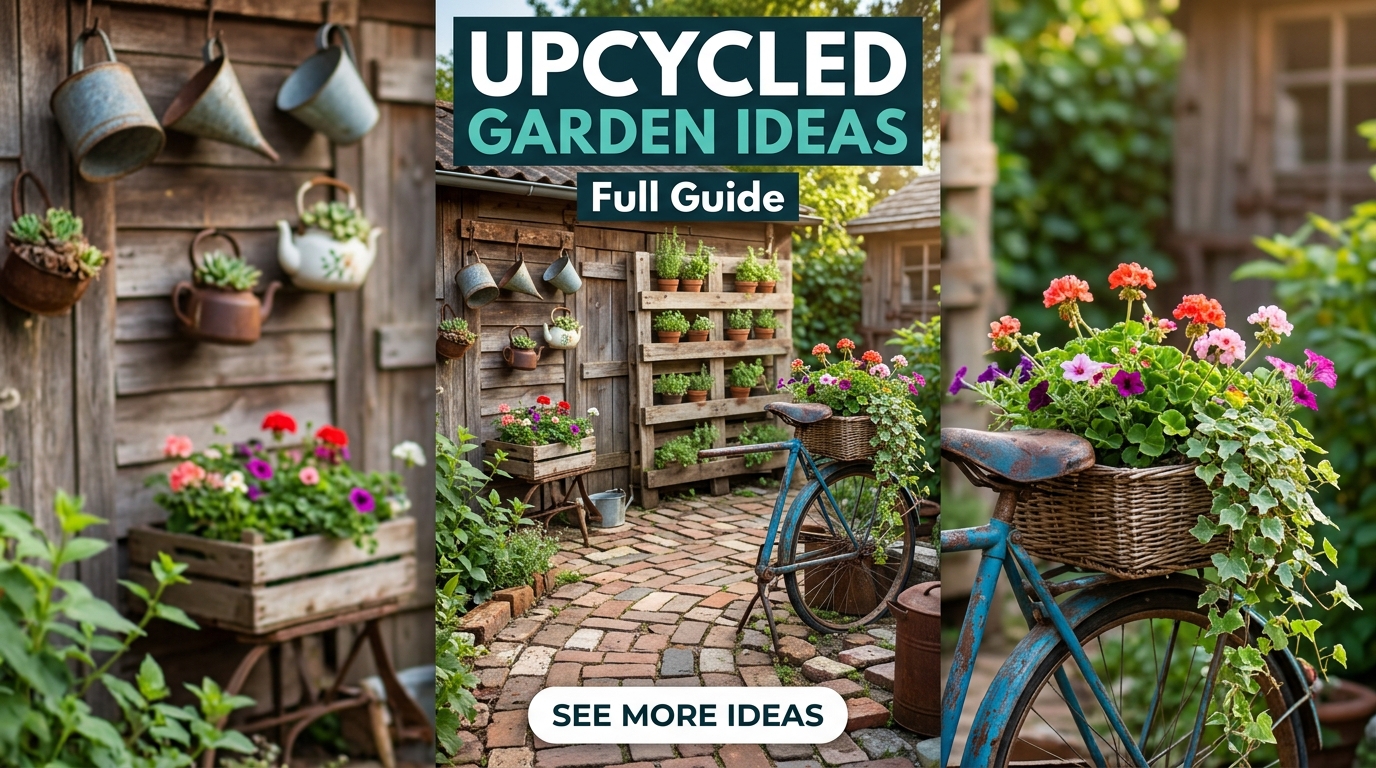
Junk Garden: Transform Old Treasures into a Beautiful and Sustainable Landscape
A junk garden is a unique and imaginative outdoor space that turns discarded, vintage, or repurposed items into eye-catching garden décor. Instead of throwing away old furniture, rusted tools, metal containers, wooden crates, and antique household items, gardeners give them a second life by incorporating them into colorful flower beds, pathways, and decorative displays. The result is a charming landscape full of personality, creativity, and eco-friendly appeal.
Junk gardening has become increasingly popular because it combines sustainability with artistic expression. Every recycled piece tells a story, creating a one-of-a-kind garden that reflects the homeowner’s style while reducing waste.
Whether you’re decorating a large backyard, a small courtyard, or a cozy cottage garden, this complete guide will help you design an inspiring junk garden filled with vintage charm and practical beauty.
What Is a Junk Garden?
A junk garden is a landscape that features reclaimed, recycled, or vintage objects as decorative and functional garden elements. Rather than purchasing expensive ornaments, gardeners creatively reuse old materials to build planters, borders, sculptures, seating, and focal points.
Common recycled items include:
- Old wheelbarrows
- Rusty bicycles
- Wooden ladders
- Vintage watering cans
- Metal buckets
- Antique chairs
- Wooden crates
- Milk cans
- Window frames
- Old wagons
These items are combined with flowers, shrubs, herbs, and garden accessories to create a rustic, welcoming atmosphere.
Benefits of a Junk Garden
Creating a junk garden offers many advantages.
Environmentally Friendly
Repurposing old materials reduces landfill waste and supports sustainable gardening practices.
Budget-Friendly
Many decorative pieces can be found at flea markets, thrift stores, garage sales, or even around your home, making junk gardening an affordable landscaping option.
Unique Character
No two junk gardens are exactly alike. Every vintage item adds personality and tells a story.
Easy to Customize
Whether your style is rustic, farmhouse, cottage, industrial, or whimsical, a junk garden can reflect your personal taste.
Encourages Creativity
Junk gardening allows you to experiment with colors, textures, layouts, and artistic displays that traditional gardens often don’t include.
Planning Your Junk Garden
Before collecting decorative items, create a simple plan.
Consider:
- Available space
- Sunlight
- Soil conditions
- Garden style
- Plant selection
- Walkways
- Focal points
- Budget
A balanced layout prevents the garden from looking cluttered while highlighting your favorite recycled treasures.
Choose a Theme
A consistent theme creates harmony throughout the garden.
Popular junk garden themes include:
Rustic Farmhouse
Features weathered wood, galvanized metal, vintage tools, and old farm equipment.
Cottage Garden
Combines colorful flowers with antique furniture, birdhouses, and decorative containers.
Industrial Vintage
Uses rusty metal, gears, reclaimed steel, and salvaged machinery.
Whimsical Garden
Includes colorful painted items, playful sculptures, unusual planters, and creative artwork.
Best Recycled Planters
Many everyday items can become beautiful planters.
Ideas include:
- Wheelbarrows
- Tea kettles
- Watering cans
- Boots
- Metal tubs
- Wooden boxes
- Birdcages
- Enamel bowls
- Old sinks
- Vintage suitcases
Always add drainage holes before planting.
Creative Garden Art
Turn unwanted items into artistic features.
Ideas include:
- Bicycle flower displays
- Painted ladders
- Spoon wind chimes
- Bottle borders
- Metal flower sculptures
- Rustic signs
- Mosaic stepping stones
These handmade projects become conversation pieces.
Best Plants for a Junk Garden
Plants soften recycled materials while adding color and texture.
Excellent choices include:
Lavender
Provides fragrance, pollinator support, and soft purple blooms.
Sunflowers
Their cheerful flowers complement rustic décor.
Coneflowers
Hardy perennials that bloom throughout summer.
Black-Eyed Susans
Bright yellow flowers create cheerful displays.
Sedum
Perfect for containers and drought-tolerant landscapes.
Marigolds
Easy to grow and excellent for adding vibrant color.
Petunias
Ideal for hanging baskets and vintage containers.
Herbs
Grow rosemary, thyme, basil, sage, and mint in recycled planters for both beauty and practicality.
Build Decorative Garden Borders
Repurposed materials make excellent edging.
Ideas include:
- Old bricks
- Reclaimed wood
- Vintage bottles
- Metal wheels
- Railroad ties
- Stone pieces
Defined borders help organize the garden.
Create Relaxing Seating Areas
Comfortable seating encourages you to enjoy your garden.
Use:
- Antique benches
- Wooden swings
- Repainted chairs
- Tree stumps
- Rustic tables
Surround seating with flowering plants for a cozy retreat.
Pathway Ideas
Guide visitors through your junk garden with attractive walkways.
Popular materials include:
- Gravel
- Stepping stones
- Reclaimed bricks
- Wood slices
- Crushed stone
Curved paths create a more natural appearance.
Vertical Junk Garden Ideas
Save space by gardening upward.
Use:
- Wooden pallets
- Old ladders
- Window shutters
- Hanging baskets
- Wire fencing
- Vintage shelves
Vertical displays add visual interest while maximizing planting space.
Water Features
Water creates movement and attracts wildlife.
Ideas include:
- Repurposed metal tubs
- Antique pumps
- Old barrels
- Vintage sinks
- Small fountains
Even a simple birdbath enhances the garden’s atmosphere.
Garden Lighting
Outdoor lighting highlights decorative features after dark.
Include:
- Solar lanterns
- String lights
- Vintage lamps
- Mason jar lights
- Hanging lanterns
- Pathway lights
Warm lighting creates a welcoming evening ambiance.
Wildlife-Friendly Junk Garden
Support local wildlife by including:
- Bird feeders
- Pollinator flowers
- Bee hotels
- Butterfly plants
- Water sources
- Native shrubs
A healthy ecosystem adds life and movement to the garden.
DIY Junk Garden Projects
Fun weekend projects include:
- Painted wheelbarrow planter
- Rustic pallet planter
- Teacup herb garden
- Bicycle flower display
- Ladder plant stand
- Tin can lanterns
- Vintage toolbox planter
These projects are inexpensive and easy for beginners.
Seasonal Decorating Ideas
Spring
Decorate with:
- Tulips
- Daffodils
- Painted watering cans
- Birdhouses
Summer
Include:
- Hanging baskets
- Bright flowers
- Colorful containers
- Outdoor seating
Autumn
Add:
- Pumpkins
- Hay bales
- Rustic crates
- Corn stalks
Winter
Decorate using:
- Evergreen branches
- Lanterns
- Pinecones
- Rustic wreaths
Seasonal updates keep the garden fresh all year.
Small Junk Garden Ideas
Even compact spaces can showcase recycled charm.
Ideas include:
- Balcony planters
- Hanging gardens
- Window boxes
- Vertical herb walls
- Mini fairy gardens
- Decorative containers
Choose smaller pieces to avoid overcrowding.
Sustainable Gardening Tips
Junk gardens naturally support sustainability.
Further improve your garden by:
- Composting kitchen scraps
- Collecting rainwater
- Growing native plants
- Avoiding chemical pesticides
- Recycling garden waste
- Using organic mulch
These practices benefit both plants and the environment.
Maintenance Tips
Keep your junk garden looking attractive by:
- Cleaning vintage items
- Touching up paint when needed
- Removing rust carefully if desired
- Watering plants regularly
- Pruning flowers
- Refreshing mulch
- Checking drainage in containers
Routine care keeps both plants and decorative items in excellent condition.
Common Mistakes to Avoid
Avoid these frequent design errors:
- Overcrowding the garden
- Using too many unrelated items
- Ignoring plant health
- Blocking pathways
- Choosing poor-quality containers
- Forgetting drainage
- Neglecting maintenance
A balanced design creates a more attractive and organized landscape.
Why Junk Gardens Continue to Grow in Popularity
More homeowners are embracing junk gardening because it offers:
- Affordable landscaping
- Creative freedom
- Sustainable living
- Personalized design
- Rustic charm
- Eco-friendly decorating
- Endless DIY opportunities
Every recycled object contributes to a truly one-of-a-kind outdoor space.
Frequently Asked Questions
What is a junk garden?
A junk garden is an outdoor space that creatively incorporates recycled, vintage, or reclaimed objects into landscaping and garden décor.
Where can I find items for a junk garden?
Look at thrift stores, flea markets, garage sales, antique shops, salvage yards, and even your own garage or attic.
What plants grow best in a junk garden?
Lavender, marigolds, petunias, sunflowers, herbs, sedum, coneflowers, and ornamental grasses all complement recycled décor beautifully.
Do recycled containers need drainage?
Yes. Always drill or create drainage holes to prevent excess water from damaging plant roots.
Can a junk garden fit a small yard?
Absolutely. Vertical displays, compact planters, and carefully selected vintage pieces make junk gardening perfect for small spaces.
Conclusion
A junk garden is much more than a collection of old objects—it’s a celebration of creativity, sustainability, and personal style. By transforming forgotten items into charming planters, decorative art, and functional garden features, you can create a landscape that is both environmentally friendly and visually captivating.
Whether you’re decorating a cottage garden, a modern backyard, or a small patio, junk gardening offers endless opportunities to repurpose vintage treasures while showcasing colorful plants and imaginative designs. With thoughtful planning, regular maintenance, and a willingness to see beauty in unexpected places, your junk garden can become a unique outdoor retreat that inspires visitors and brings new life to old materials for years to come.