
 By John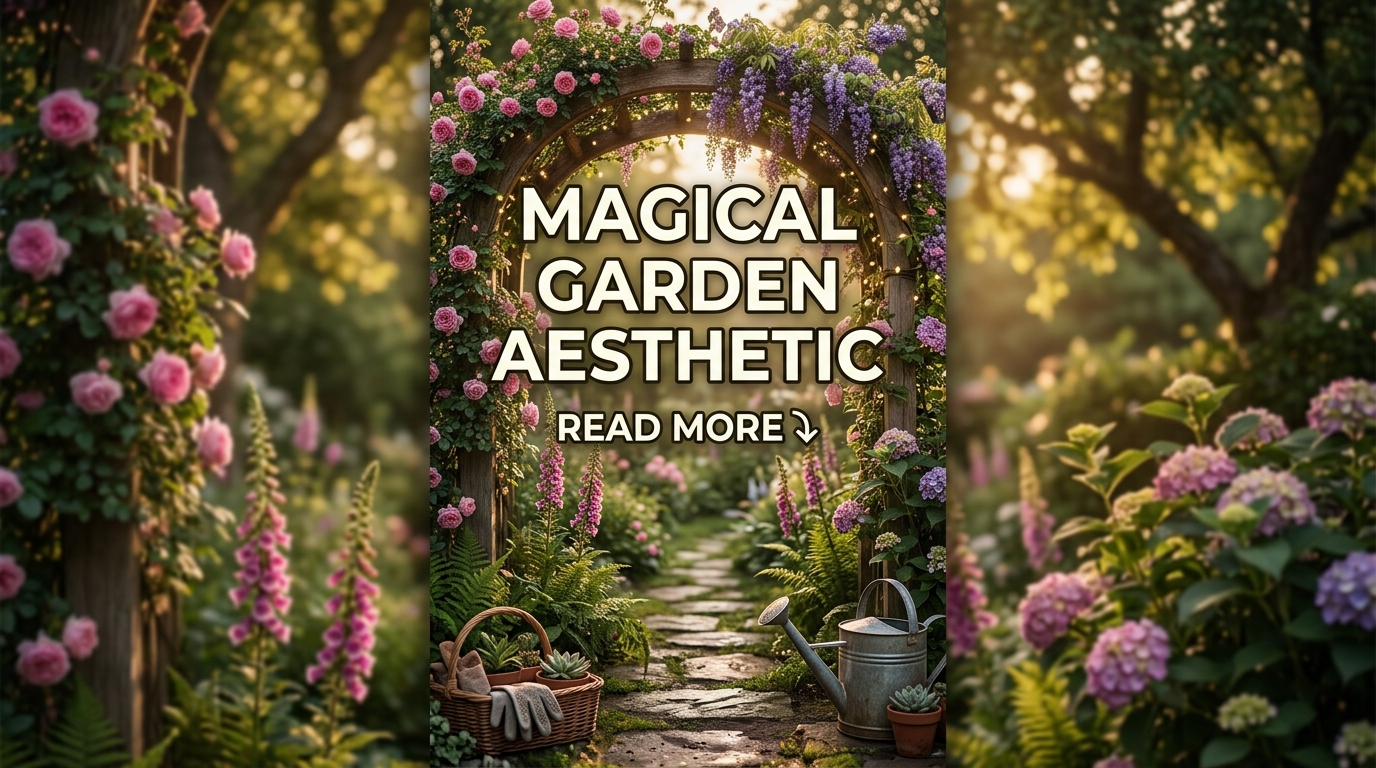
The magic garden aesthetic is a whimsical and enchanting garden style that transforms ordinary outdoor spaces into dreamlike retreats filled with wonder, mystery, and imagination. Inspired by fairy tales, fantasy worlds, secret forests, and storybook landscapes, this aesthetic combines lush plants, magical decorations, soft lighting, and creative design elements to create a space that feels straight out of a fantasy novel.
Whether you have a spacious backyard, a cozy courtyard, or a small garden corner, the magic garden aesthetic can help you create an outdoor sanctuary where nature and imagination blend seamlessly. From fairy houses hidden among flowers to glowing lanterns, winding pathways, and mystical plant combinations, every detail contributes to the enchanting atmosphere.
This complete guide explores magic garden design ideas, plant selections, décor inspiration, lighting techniques, and practical tips for creating your own magical outdoor paradise.
What Is a Magic Garden Aesthetic?
A magic garden aesthetic is a garden design style that emphasizes fantasy, wonder, and natural beauty. Unlike formal landscapes that focus on symmetry and structure, magical gardens embrace mystery, creativity, and a slightly untamed appearance.
These gardens often feature hidden corners, whimsical decorations, fairy-inspired elements, and lush plantings that encourage exploration and imagination.
The goal is to create a space that feels enchanting, peaceful, and full of surprises.
Why the Magic Garden Aesthetic Is So Popular
Many people are drawn to magical gardens because they provide an escape from everyday life.
They create a peaceful environment filled with beauty and creativity.
The design encourages personal expression and storytelling.
Magical gardens feel unique and highly personalized.
They offer opportunities to combine gardening with art, décor, and imagination.
Most importantly, they inspire wonder for both children and adults.
Key Elements of a Magic Garden
Several features help create an authentic magical atmosphere.
Lush Plantings
Dense layers of flowers, shrubs, and greenery create a mystical appearance.
Winding Pathways
Curved paths encourage exploration and discovery.
Hidden Features
Secret corners, fairy houses, and tucked-away decorations add intrigue.
Soft Lighting
Lanterns and twinkling lights create a magical glow after sunset.
Natural Materials
Stone, wood, moss, and water help connect the garden to nature.
Creating a Magical Garden Layout
A successful magic garden feels like a journey.
Avoid straight lines and rigid layouts.
Instead, use:
- Curved pathways
- Hidden seating areas
- Layered planting beds
- Small garden rooms
The design should encourage visitors to explore and discover new details around every corner.
Best Plants for a Magic Garden Aesthetic
Plant selection plays a major role in creating an enchanted atmosphere.
Popular choices include:
- Foxgloves
- Lavender
- Roses
- Delphiniums
- Hydrangeas
- Ferns
- Jasmine
- Clematis
- Hollyhocks
- Sweet Peas
Mixing flowers with textured foliage creates depth and visual interest.
Choose plants that bloom throughout the seasons for continuous beauty.
Creating a Fairy Garden
Fairy gardens are among the most iconic magical garden features.
Include:
- Miniature houses
- Tiny bridges
- Pebble pathways
- Small figurines
- Miniature furniture
Place fairy gardens among flowers, beneath trees, or inside decorative containers.
These whimsical displays add charm and encourage imagination.
Magical Garden Pathways
Pathways guide movement through the garden while enhancing the fantasy theme.
Popular materials include:
- Natural stone
- Pebbles
- Wood slices
- Gravel
Curved paths feel more mysterious than straight walkways.
Allow plants to gently spill over pathway edges for a soft and enchanted look.
Add Garden Arches and Trellises
Vertical structures add height and visual drama.
Popular choices include:
- Rose arches
- Vine-covered trellises
- Decorative gateways
- Rustic wooden arches
Climbing plants such as roses, jasmine, and clematis create magical tunnels and entrances.
These structures help define different garden spaces.
Enchanting Garden Lighting
Lighting is essential for creating a magical atmosphere after dark.
Popular lighting options include:
- Fairy lights
- Lanterns
- Solar lights
- Candle lanterns
- Hanging lights
Warm lighting creates a soft glow that highlights plants and pathways.
Lighting transforms the garden into a magical nighttime retreat.
Water Features for a Magical Atmosphere
Water adds movement, sound, and tranquility.
Popular water features include:
- Small fountains
- Ponds
- Waterfalls
- Birdbaths
- Reflecting pools
The sound of flowing water enhances the sense of peace and wonder.
Water features often become focal points within magical gardens.
Secret Garden Corners
Hidden spaces are a defining characteristic of magical gardens.
Ideas include:
- Private seating areas
- Reading nooks
- Hidden benches
- Flower-covered alcoves
These secluded spots encourage relaxation and contemplation.
A sense of discovery makes the garden more enchanting.
Incorporating Moss and Natural Textures
Natural textures help create an aged and mystical appearance.
Use:
- Moss-covered stones
- Weathered wood
- Tree stumps
- Natural rock formations
These elements blend beautifully with lush planting schemes.
They help the garden feel connected to the natural world.
Whimsical Garden Decorations
Decorations add personality and charm.
Popular magical garden accessories include:
- Fairy houses
- Mushroom ornaments
- Decorative lanterns
- Wind chimes
- Crystal accents
- Vintage garden pieces
Choose items that complement the natural surroundings rather than overwhelm them.
Subtle details often create the strongest magical effect.
Creating a Moon Garden
A moon garden focuses on plants that shine in evening light.
Popular choices include:
- White Roses
- Moonflower
- White Hydrangeas
- Jasmine
- White Petunias
These plants appear luminous under moonlight and garden lighting.
Moon gardens create a peaceful and romantic nighttime atmosphere.
Magical Garden Color Palettes
Color influences the mood of the garden.
Popular palettes include:
Fairy Tale Pastels
Soft pinks, lavender, white, and pale blue.
Woodland Magic
Deep greens, earthy browns, and natural textures.
Mystical Jewel Tones
Rich purples, burgundy, and sapphire shades.
Choose a palette that supports your desired magical theme.
Attracting Butterflies and Birds
Wildlife adds life and movement to magical gardens.
Plant nectar-rich flowers such as:
- Lavender
- Coneflowers
- Salvia
- Bee Balm
Provide birdbaths and water sources.
The presence of butterflies and birds enhances the enchanted atmosphere.
Magic Garden Ideas for Small Spaces
Even tiny gardens can feel magical.
Use:
- Vertical gardens
- Hanging baskets
- Fairy containers
- Miniature pathways
- Compact seating areas
Focus on creating layers and small surprises throughout the space.
Thoughtful details often matter more than size.
Seasonal Magic Garden Inspiration
Spring
Tulips, daffodils, and flowering trees create fresh beauty.
Summer
Roses, lavender, and lush greenery dominate the garden.
Autumn
Ornamental grasses and colorful foliage add warmth.
Winter
Evergreens, lanterns, and decorative lighting maintain interest.
Seasonal changes help keep the garden magical year-round.
Budget-Friendly Magic Garden Ideas
Creating a magical garden does not require a large budget.
Repurpose old containers.
Build DIY fairy houses.
Use solar lighting.
Grow flowers from seeds.
Collect natural materials such as stones and branches.
Creativity often matters more than expensive decorations.
Common Mistakes to Avoid
Avoid overcrowding the garden with too many decorations.
Do not neglect plant maintenance.
Ensure pathways remain functional and safe.
Balance whimsical elements with natural beauty.
Allow the garden to evolve gradually over time.
A magical atmosphere feels more authentic when it develops naturally.
Maintenance Tips
Regular maintenance keeps a magic garden beautiful and healthy.
Tasks include:
- Watering
- Pruning
- Weeding
- Mulching
- Cleaning decorative features
Healthy plants provide the foundation for an enchanting garden.
Consistent care ensures the space remains inviting throughout the year.
Final Thoughts
The magic garden aesthetic transforms ordinary outdoor spaces into enchanting retreats filled with beauty, mystery, and imagination. Through lush plantings, winding pathways, whimsical decorations, soft lighting, and hidden surprises, you can create a garden that feels like a scene from a fairy tale.
Whether you dream of a fairy garden, a secret woodland sanctuary, or a moonlit retreat, magical garden design allows you to express creativity while deepening your connection with nature. By combining thoughtful landscaping with imaginative details, you can create a space that inspires wonder and provides a peaceful escape from everyday life.
A well-designed magic garden is more than a landscape—it is a living fantasy world where every pathway, flower, and hidden corner tells a story.