
 By John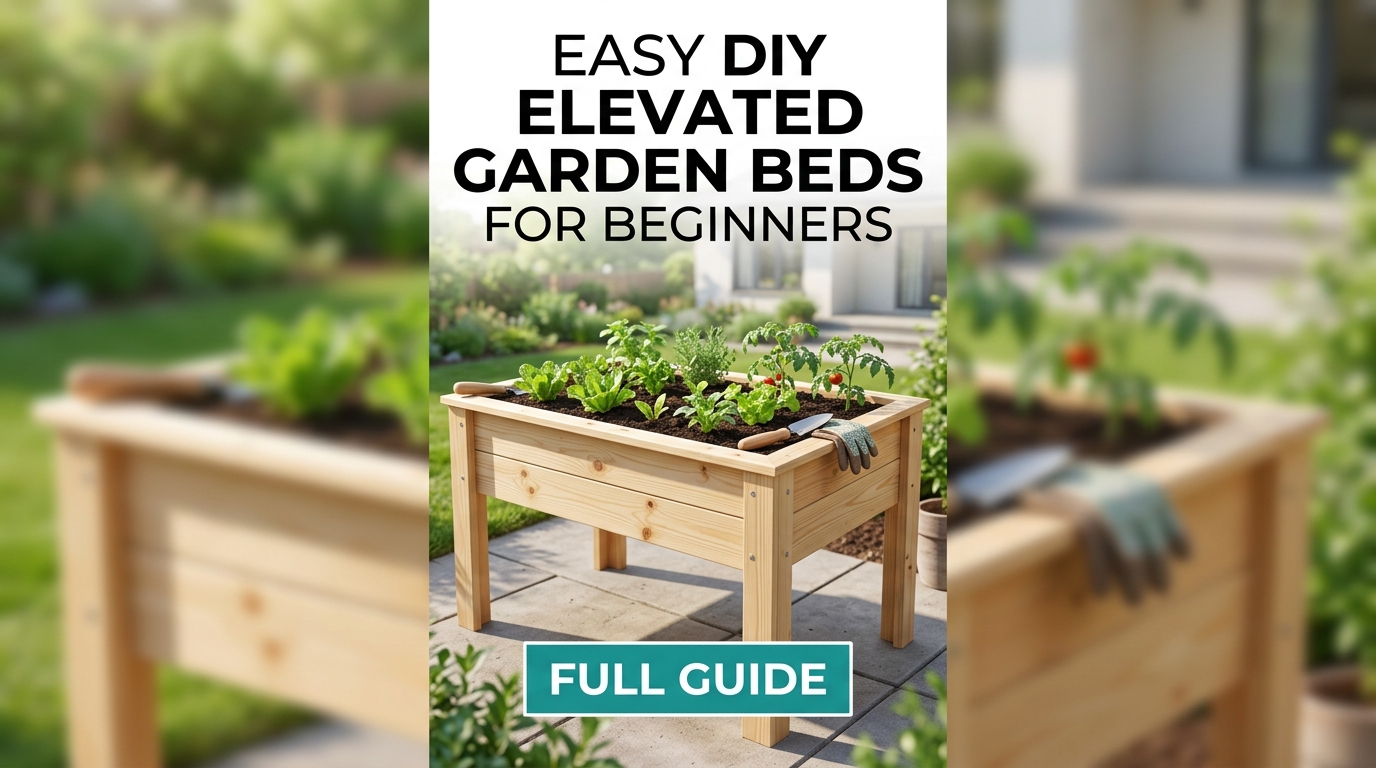
A DIY elevated garden bed is one of the best gardening projects for homeowners who want an organized, productive, and easy-to-maintain growing space. Unlike traditional in-ground gardens, elevated garden beds are raised above ground level, making gardening more comfortable while improving drainage, soil quality, and plant health.
Whether you want to grow vegetables, herbs, flowers, or small fruits, a DIY elevated garden bed can transform your outdoor space into a thriving garden. These beds are especially popular among beginners because they simplify gardening and reduce many common challenges such as poor soil, weeds, and back strain.
This complete guide will cover everything you need to know about DIY elevated garden beds, including benefits, design ideas, materials, construction steps, plant selection, maintenance tips, and budget-friendly solutions.
What Is a DIY Elevated Garden Bed?
A DIY elevated garden bed is a raised planting structure built above the natural ground level. It is usually constructed from wood, metal, concrete blocks, or recycled materials and filled with high-quality soil.
Unlike standard raised beds that sit directly on the ground, elevated garden beds often have legs or a support frame that lifts the planting area higher, making gardening easier and more accessible.
These garden beds are ideal for patios, backyards, decks, balconies, and small outdoor spaces where traditional gardening may be difficult.
Benefits of a DIY Elevated Garden Bed
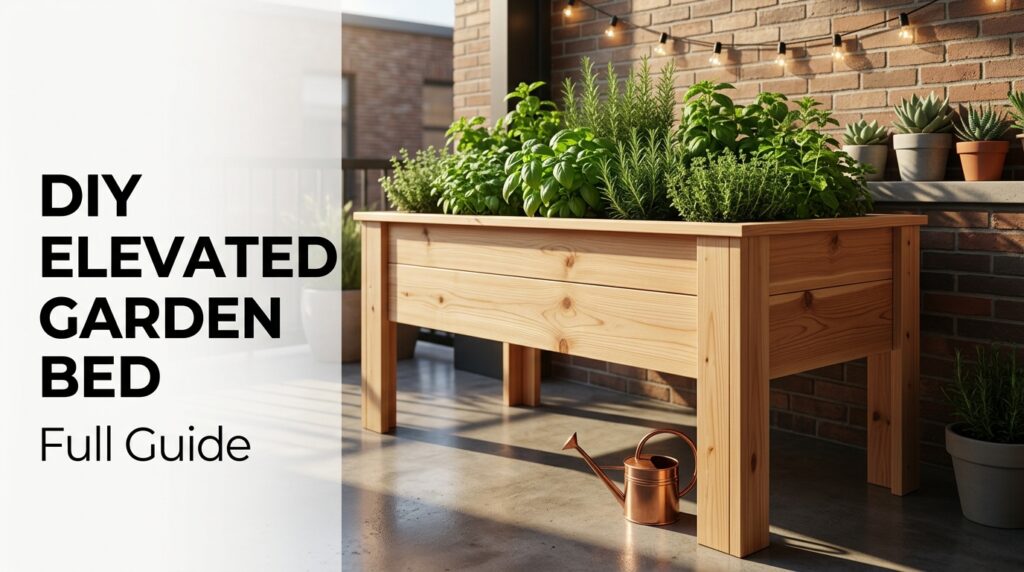
Elevated garden beds offer numerous advantages that make them a favorite among gardeners.
One of the biggest benefits is easier access. Because the bed is raised, there is less bending, kneeling, and strain on the back and knees. This makes gardening more comfortable for older adults and people with mobility limitations.
Improved soil quality is another major advantage. Since you control the soil mix, plants receive better nutrients and drainage than they might in native soil.
Elevated beds also help reduce weeds because the planting area is separated from the surrounding ground.
Pest control becomes easier as many insects and small animals have a harder time reaching plants.
Additionally, elevated beds create a neat and organized appearance that enhances the beauty of your garden.
Why Elevated Garden Beds Are Popular
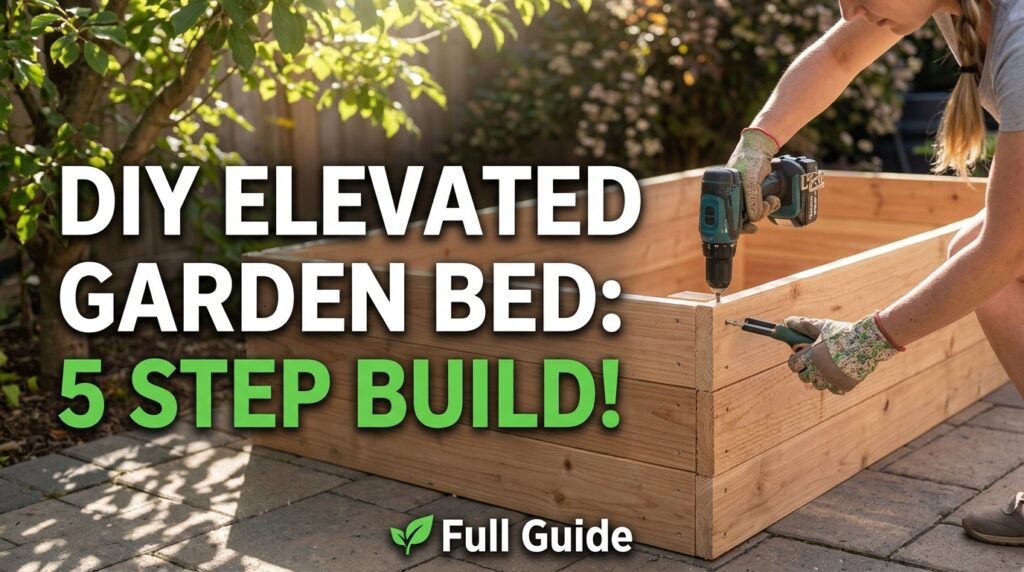
Modern gardeners love elevated garden beds because they combine functionality with attractive design.
They fit well into contemporary landscaping styles and work in both large and small spaces.
People living in urban areas often use elevated beds because they maximize growing space while maintaining a clean and organized look.
Many gardeners also appreciate the ability to customize bed size, height, and materials according to their specific needs.
Best Location for a DIY Elevated Garden Bed
Choosing the right location is crucial for success.
Most vegetables and flowers need at least six to eight hours of sunlight per day, so select a sunny area whenever possible.
Ensure the location has easy access to water. Regular watering becomes much simpler when a hose or irrigation system is nearby.
The ground should be level and stable to support the weight of the bed and soil.
Avoid placing the bed too close to large trees, as roots may compete with plants for nutrients and moisture.
Choosing the Right Materials
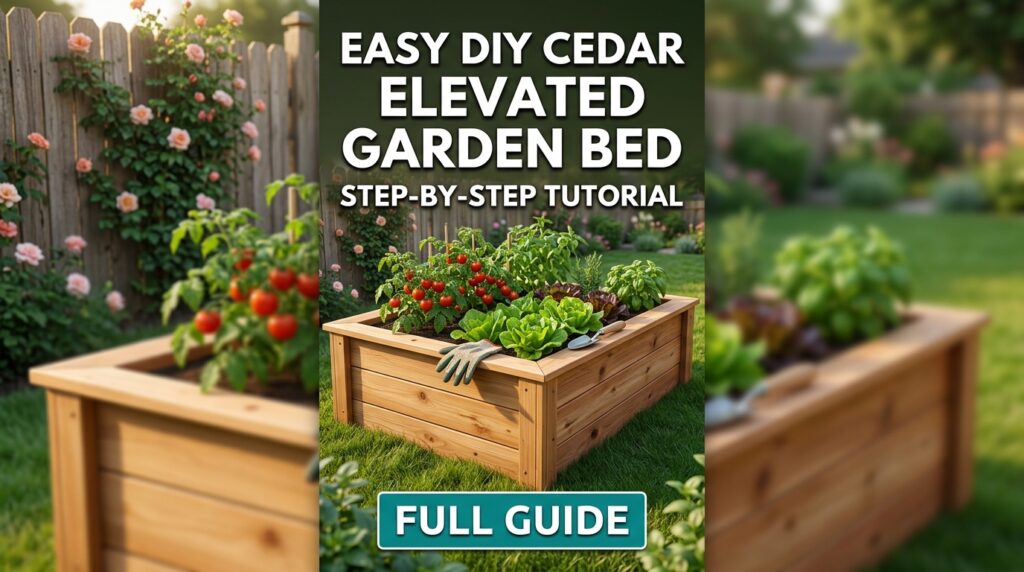
Several materials can be used to build a DIY elevated garden bed.
Cedar Wood
Cedar is one of the most popular choices because it is naturally resistant to rot and insects. It lasts for many years and has an attractive appearance.
Redwood
Redwood is durable, beautiful, and weather-resistant. Although more expensive, it provides excellent longevity.
Metal
Galvanized steel beds are becoming increasingly popular. They offer a modern look and can last for decades.
Concrete Blocks
Concrete blocks are affordable, durable, and easy to assemble. They work well for permanent garden beds.
Recycled Materials
Old pallets, reclaimed wood, and other recycled materials can be used to create budget-friendly elevated beds.
DIY Elevated Garden Bed Design Ideas
There are many creative ways to design an elevated garden bed.
Classic Wooden Bed
A simple rectangular wooden frame remains the most popular option. It is easy to build and works with almost any garden style.
Rustic Farmhouse Style
Using reclaimed wood creates a charming rustic appearance that blends beautifully with cottage gardens.
Modern Metal Planter
Galvanized steel beds offer a clean, contemporary look that complements modern outdoor spaces.
Tiered Elevated Beds
Multiple levels allow gardeners to grow different plants while creating visual interest.
Vertical Combination Bed
Combining an elevated bed with a trellis allows climbing vegetables such as cucumbers, beans, and peas to grow upward.
How to Build a DIY Elevated Garden Bed
Building an elevated garden bed is a straightforward project.
Step 1: Plan Your Design
Determine the desired dimensions. A common size is 4 feet wide by 8 feet long and approximately 30 inches high.
Step 2: Gather Materials
You will need:
- Lumber or chosen construction material
- Screws and brackets
- Drill
- Measuring tape
- Saw
- Landscape fabric
- Soil mix
Step 3: Build the Frame
Cut the boards to the required size and assemble the frame securely using screws.
Step 4: Add Support Legs
Attach sturdy legs to elevate the bed above ground level. Ensure the structure is stable.
Step 5: Install the Base
Add slats or wire mesh if needed for support and drainage.
Step 6: Add Landscape Fabric
Landscape fabric helps prevent soil loss while allowing excess water to drain.
Step 7: Fill with Soil
Use a high-quality soil mixture rich in organic matter.
Step 8: Plant Your Garden
Choose suitable vegetables, herbs, or flowers and arrange them according to their growth requirements.
Best Soil Mix for Elevated Garden Beds
The quality of your soil directly affects plant growth.
A balanced mix typically includes:
- 40% topsoil
- 40% compost
- 20% aeration material such as perlite or coarse sand
This combination provides excellent drainage, nutrient availability, and root development.
Best Plants for Elevated Garden Beds
Many plants thrive in elevated garden beds.
Vegetables
- Tomatoes
- Lettuce
- Spinach
- Carrots
- Radishes
- Peppers
- Cucumbers
Herbs
- Basil
- Mint
- Rosemary
- Thyme
- Parsley
Flowers
- Marigolds
- Petunias
- Zinnias
- Lavender
Fruits
- Strawberries
- Blueberries
- Dwarf berry varieties
Watering Tips
Elevated beds often dry out faster than traditional gardens because of increased air circulation.
Water deeply and consistently, especially during hot weather.
Installing a drip irrigation system can save time and improve efficiency.
Adding mulch helps retain moisture and reduces evaporation.
Maintenance Tips
Maintaining an elevated garden bed is relatively easy.
Regularly remove weeds before they become established.
Add compost each growing season to replenish nutrients.
Inspect the structure annually for signs of wear or damage.
Prune plants as needed to encourage healthy growth and productivity.
Rotate crops each season to reduce pest and disease problems.
Budget-Friendly DIY Elevated Garden Bed Ideas
Building a garden bed does not have to be expensive.
Use reclaimed wood from pallets or old fencing.
Repurpose metal containers or livestock troughs.
Look for discounted building materials at local hardware stores.
Start with a small bed and expand over time as your gardening experience grows.
Common Mistakes to Avoid
Many beginners make avoidable mistakes when building elevated garden beds.
Choosing untreated wood that rots quickly can shorten the lifespan of the bed.
Using poor-quality soil often leads to weak plant growth.
Overcrowding plants reduces airflow and increases disease risk.
Ignoring drainage can cause root rot and plant failure.
Building a bed that is too wide makes maintenance difficult because you cannot easily reach the center.
Environmental Benefits of Elevated Garden Beds
Elevated beds support sustainable gardening practices.
They use water more efficiently than many traditional gardens.
They allow gardeners to produce fresh food at home, reducing transportation emissions.
They encourage composting and organic gardening methods.
They also create habitats for beneficial insects and pollinators.
Final Thoughts
A DIY elevated garden bed is one of the most rewarding projects for gardeners of all skill levels. It provides better soil conditions, improved accessibility, easier maintenance, and higher productivity compared to traditional gardening methods.
Whether you want to grow vegetables, herbs, flowers, or fruits, an elevated garden bed offers a practical and attractive solution. With proper planning, quality materials, and regular care, your garden bed can provide years of successful harvests and beautiful outdoor enjoyment.
By building your own DIY elevated garden bed, you create not only a productive growing space but also a feature that adds value, beauty, and sustainability to your home garden.