
 By John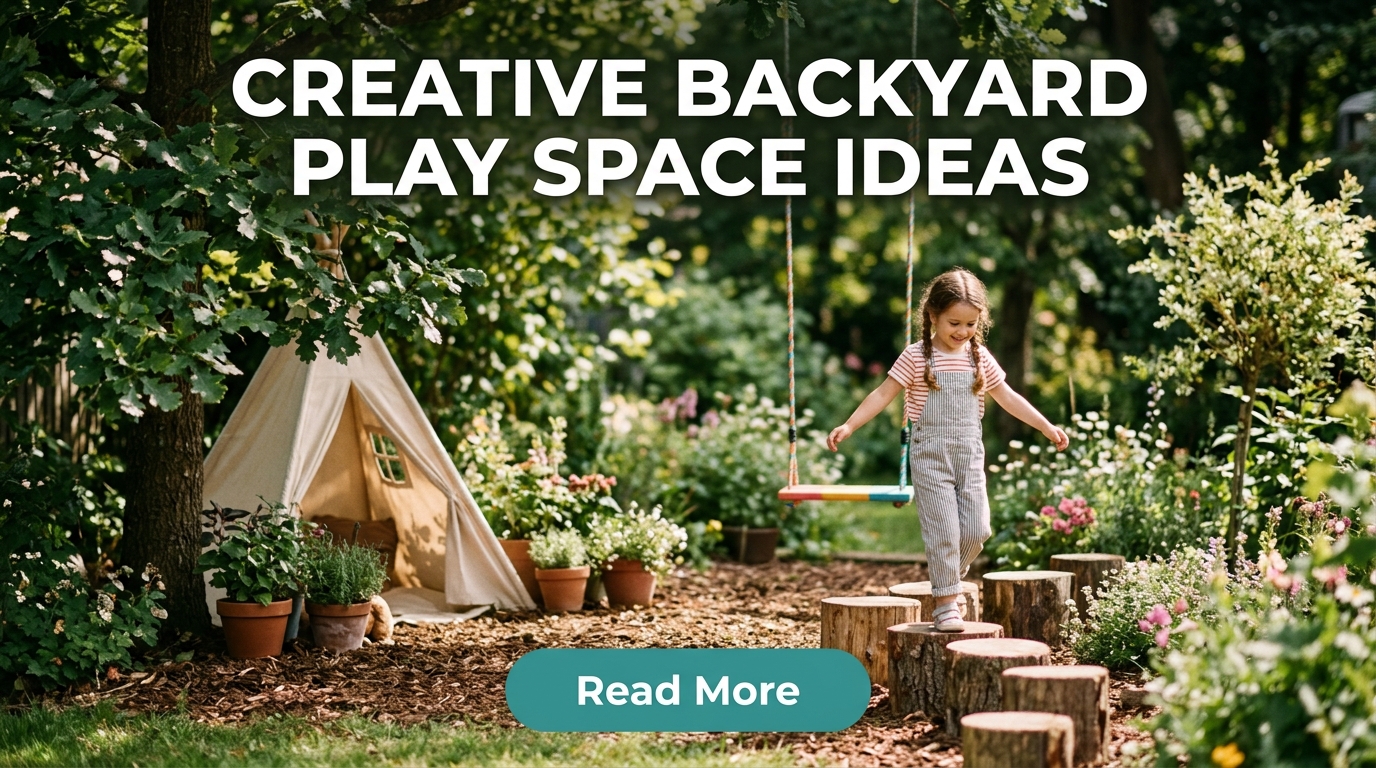
A kids garden play area is one of the most valuable additions you can create in your home if you want your children to grow up healthy, active, and connected with nature. In today’s digital world, children spend more time on mobile phones, tablets, and televisions than outdoors. Because of this shift, many parents are now focusing on building safe and engaging outdoor environments where kids can play freely, explore nature, and develop important life skills.
A well-planned garden play area is not just about installing swings or slides. It is about creating a space where imagination, physical activity, learning, and creativity all come together. Whether you have a large backyard or a small outdoor corner, you can design a beautiful and functional kids garden play area with the right planning.
In this detailed guide, we will explore everything you need to know, including design ideas, safety tips, equipment choices, plant selection, budget-friendly solutions, and modern trends.
Why a Kids Garden Play Area is Important
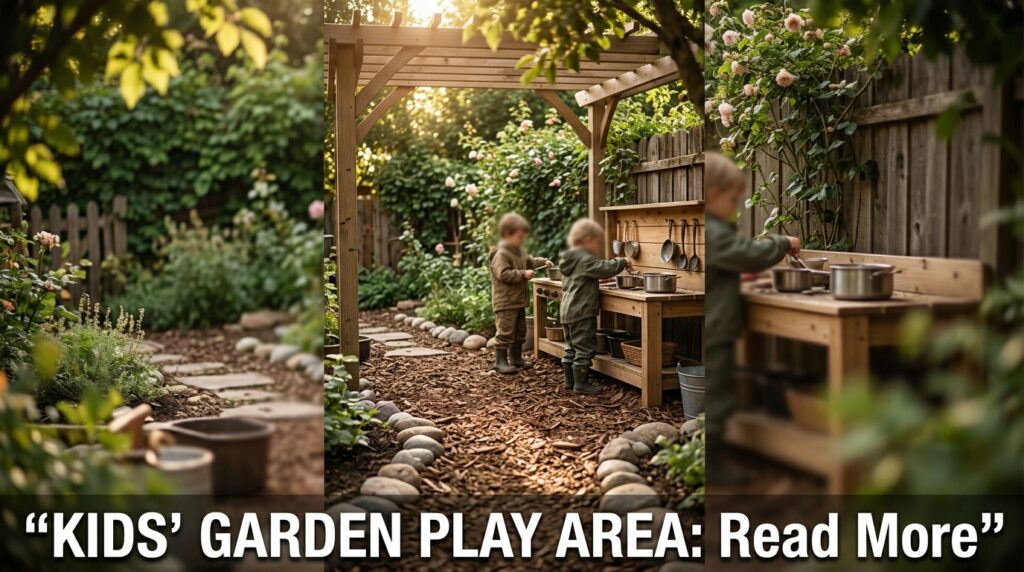
A kids garden play area plays a crucial role in a child’s overall development. Outdoor play is not only fun but also essential for physical, mental, and emotional growth.
One of the biggest advantages is physical development. When children run, jump, climb, and swing, they naturally improve their strength, balance, coordination, and stamina. These activities also help in developing fine and gross motor skills, which are important in early childhood.
Another major benefit is mental development. Outdoor environments stimulate curiosity and imagination. Instead of passive screen time, children engage in active thinking, problem-solving, and creative storytelling. Nature itself becomes a learning tool that encourages observation and exploration.
Social development is also strongly supported in a shared play environment. When children play together, they learn teamwork, communication, patience, and sharing. These are essential life skills that help them in school and future relationships.
Most importantly, a garden play area builds a strong connection with nature. Children learn about plants, insects, weather changes, and natural cycles. This helps them develop environmental awareness from an early age.
Planning the Perfect Location
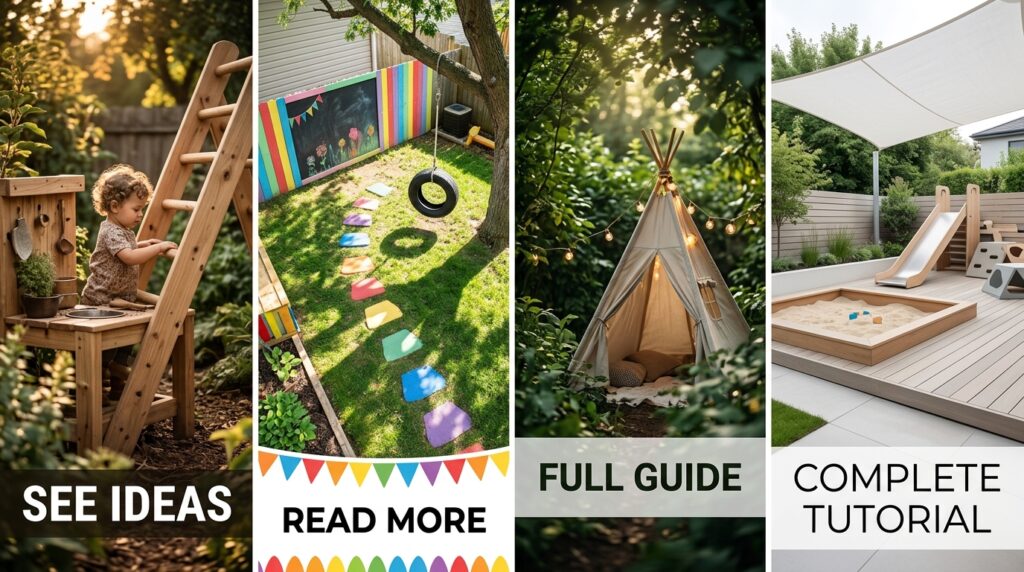
Choosing the right location is the first step in designing a successful kids garden play area. The area should be safe, visible, and comfortable for children to use throughout the day.
It is always best to select a spot that is visible from the house so parents can easily supervise children while they play. Safety supervision is very important, especially for younger kids.
The area should also have some shade, either naturally from trees or through artificial shade structures. This protects children from direct sunlight, especially in hot weather conditions.
Avoid placing the play area near dangerous zones such as water tanks, sharp gardening tools, electrical equipment, or driveways. A flat surface is ideal because it reduces the risk of falls and makes installation of play equipment easier.
Even if your garden is small, you can still create an effective play zone by using corners, walls, or vertical space creatively.
Essential Elements of a Kids Garden Play Area
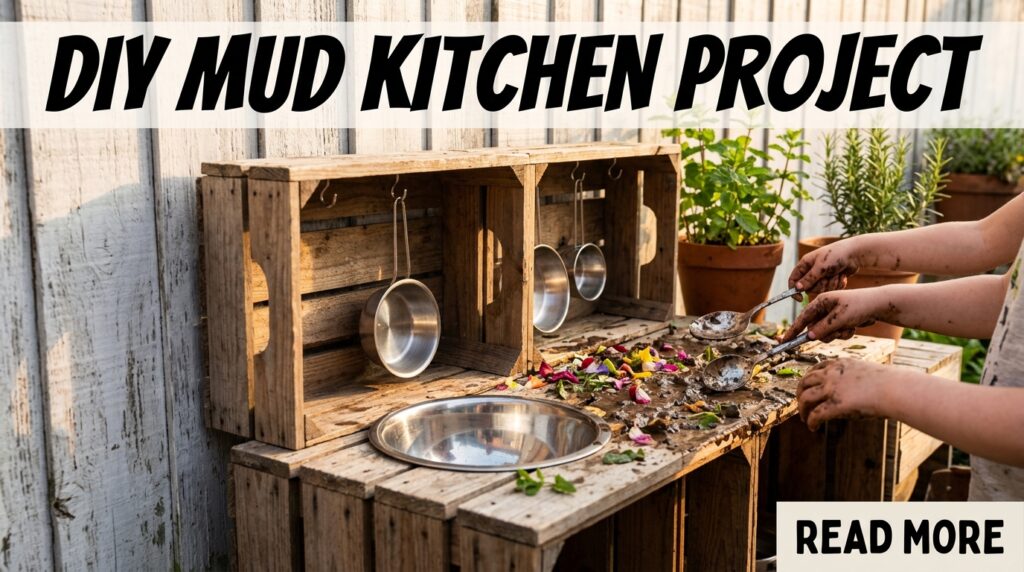
A well-designed kids garden play area includes a mix of physical play equipment, natural elements, and creative spaces that keep children engaged.
Play equipment is the heart of any play area. Swings are always a favorite among children, and they can be made from wood, rope, or even recycled materials. Slides, climbing frames, rope ladders, and small obstacle courses are also excellent choices for physical activity.
Ground safety is extremely important. The surface should be soft and impact-resistant. Rubber mats are one of the safest options, but artificial grass, sand, and wood chips are also commonly used. These materials help reduce injuries during falls.
Natural elements should always be included in the design. Plants, flowers, and small garden beds create a peaceful and colorful environment. You can also include a small vegetable garden where children can plant seeds and watch them grow. This makes the space both fun and educational.
Creative zones add imagination to the play area. These can include chalkboard walls for drawing, small tents for role play, or wooden playhouses. Such spaces allow children to create their own stories and games.
Creative Design Ideas for Kids Garden Play Area
There are many creative ways to design a unique kids garden play area depending on space, budget, and personal preference.
One popular idea is an adventure-themed garden. This design includes wooden logs, rope bridges, tunnels, and climbing structures. It gives children a jungle-like experience where they can explore and imagine exciting adventures.
Another beautiful option is a fairy tale garden. This design uses soft colors, small decorative houses, flowers, and gentle lighting. It creates a magical environment that inspires storytelling and imagination.
Water play areas are also very popular, especially in warm climates. Small splash zones, sprinklers, and water tables keep children cool while providing endless entertainment. Water play also improves sensory development.
A learning garden combines education with play. It includes labeled plants, gardening tools, and planting areas where children can learn how nature works. This type of garden is perfect for developing responsibility and curiosity.
Mini sports zones are another great option. You can include a small football goal, basketball hoop, or skipping area. These activities help improve fitness and teamwork skills.
Safety Considerations for Kids Garden Play Area
Safety should always be the top priority when designing a kids garden play area. No matter how beautiful the design is, it must also be safe and secure.
All materials used should be child-friendly and non-toxic. Wooden structures should have smooth edges, and metal parts should be rust-free and properly covered. Regular inspection of equipment is essential to ensure everything remains in good condition.
A proper fence around the play area is highly recommended. This keeps children within a safe boundary and prevents them from wandering into unsafe zones.
Sun protection is another important factor. Shade can be created using trees, umbrellas, or shade sails. This ensures children can play comfortably even during hot weather.
The ground surface should always be soft to reduce injury risks. Hard surfaces like concrete should be avoided inside play zones.
Best Plants for Kids Garden Play Area
Plants play a major role in creating a lively and educational environment. Choosing the right plants is important for both safety and beauty.
Safe plant options include marigold, sunflower, jasmine, lavender, mint, basil, and petunia. These plants are non-toxic and easy to maintain. They also add color and fragrance to the garden, making it more enjoyable for children.
Butterfly-friendly plants are also a great addition because they attract insects and help children learn about biodiversity. However, thorny or poisonous plants should always be avoided in kids’ areas.
Budget-Friendly Ideas for Every Home
Creating a kids garden play area does not require a large budget. With creativity and planning, you can build a beautiful space using simple and affordable materials.
Old tires can be turned into swings or climbing structures. Wooden pallets can be reused to create benches, tables, or playhouses. Plastic bottles can be converted into planters, and stones can be painted for decoration.
DIY projects not only save money but also add a personal touch to the garden. They also allow families to work together, making the process more meaningful.
Small Garden Solutions
Even small spaces can be transformed into amazing play areas. The key is smart design and space optimization.
Vertical structures like climbing walls or hanging swings save ground space. Multi-functional equipment, such as a combined slide and climbing frame, is also very useful. Keeping the design simple helps avoid overcrowding and ensures enough space for safe movement.
Modern Trends in Kids Garden Play Areas
Modern garden designs are shifting toward natural, eco-friendly, and educational themes. Wooden playgrounds are becoming more popular than plastic ones because they blend better with nature and are more sustainable.
Sensory gardens that engage touch, smell, and sight are also trending. These gardens help children develop sensory awareness through different textures and scents.
Montessori-style outdoor spaces are another growing trend. These focus on independent learning, exploration, and natural curiosity.
Many parents are also designing screen-free zones that encourage children to spend more time outdoors and less time on digital devices.
Maintenance Tips for Long-Term Use
A kids garden play area needs regular maintenance to stay safe and attractive.
Weekly cleaning helps remove dust, leaves, and debris. Equipment should be checked regularly for loose parts or damage. Wooden structures may need repainting or polishing over time.
Plants should be trimmed regularly to maintain shape and prevent overgrowth. Seasonal care is also important to protect equipment from rain, heat, or cold conditions.
Benefits of a Well-Designed Kids Garden Play Area
A properly designed kids garden play area provides long-term benefits for both children and parents. Children become more active, creative, and confident. They develop better physical health, stronger social skills, and a deeper connection with nature.
Parents also benefit because children stay engaged in safe outdoor activities, reducing screen time and improving overall well-being.
Final Thoughts
A kids garden play area is more than just a play space. It is a place where childhood memories are created, skills are developed, and imagination comes alive. With thoughtful planning, even a small garden can be transformed into a safe, exciting, and educational environment.
By combining creativity, safety, and natural elements, you can build a space that supports your child’s growth in every way. It is truly an investment in happiness, health, and lifelong learning.