
 By John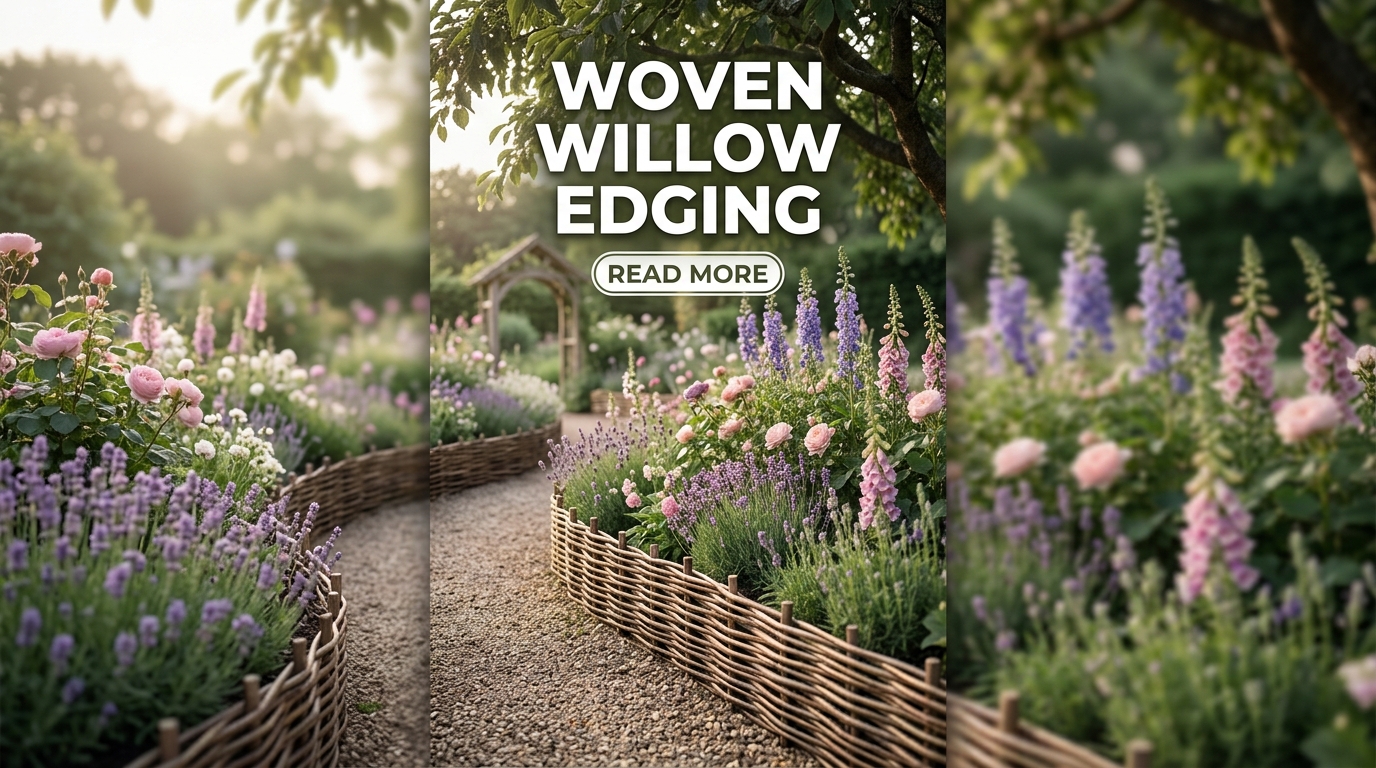
Garden edging is one of the simplest ways to improve the appearance of your outdoor space. It creates clear boundaries between lawns, flower beds, pathways, and landscaping features while adding structure and visual appeal. Whether you prefer a modern, rustic, or traditional garden style, the right edging can completely transform your landscape.
A well-designed garden edge not only looks attractive but also helps keep mulch, soil, and plants neatly contained.
What Is Garden Edging?
Garden edging is a border or barrier placed around garden beds, pathways, lawns, or planting areas. It creates a clean separation between different parts of the landscape and helps maintain an organized appearance.
Garden edging can be made from various materials, including:
- Stone
- Brick
- Wood
- Metal
- Concrete
- Gravel
- Plants
Benefits of Garden Edging
Creates Clean Boundaries
Edging clearly separates flower beds, lawns, and pathways.
Improves Garden Appearance
Well-defined borders make gardens look professionally designed.
Reduces Maintenance
Edging helps prevent grass and weeds from spreading into planting areas.
Keeps Mulch in Place
Borders help contain mulch and soil during rain or watering.
Adds Value to Landscaping
Neat edging enhances curb appeal and overall property appearance.
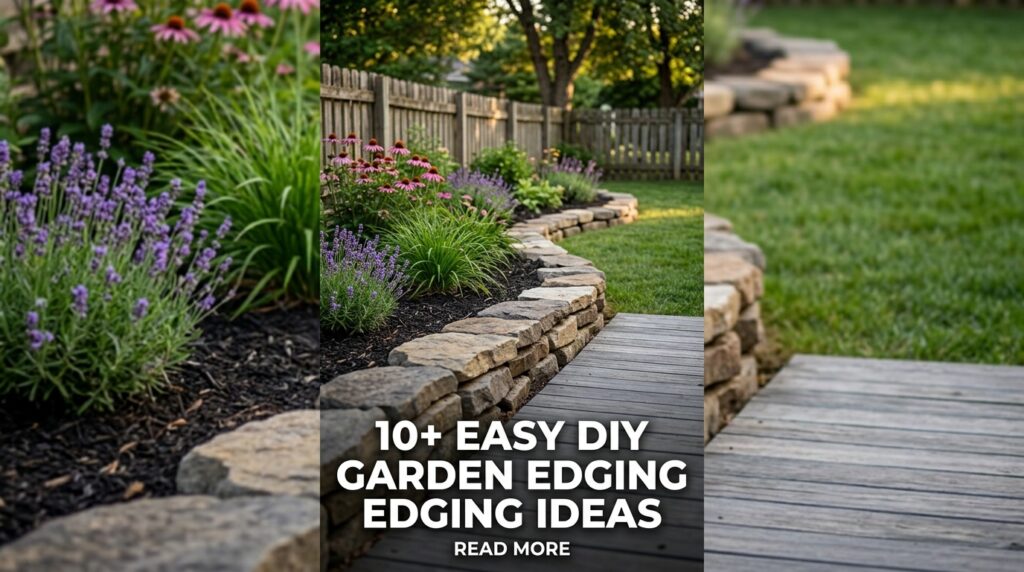
Stone Garden Edging
Stone edging is one of the most popular choices because of its durability and natural appearance.
Features:
- Long-lasting
- Natural look
- Available in many shapes and sizes
Best for:
- Cottage gardens
- Rustic landscapes
- Natural garden designs
Stone edging blends beautifully with flowers, shrubs, and trees.
Brick Garden Edging
Brick borders provide a classic and timeless appearance.
Features:
- Traditional style
- Strong and durable
- Various laying patterns available
Best for:
- Formal gardens
- Traditional landscapes
- Front yard flower beds
Bricks can be placed horizontally, vertically, or at an angle for added visual interest.
Wooden Garden Edging
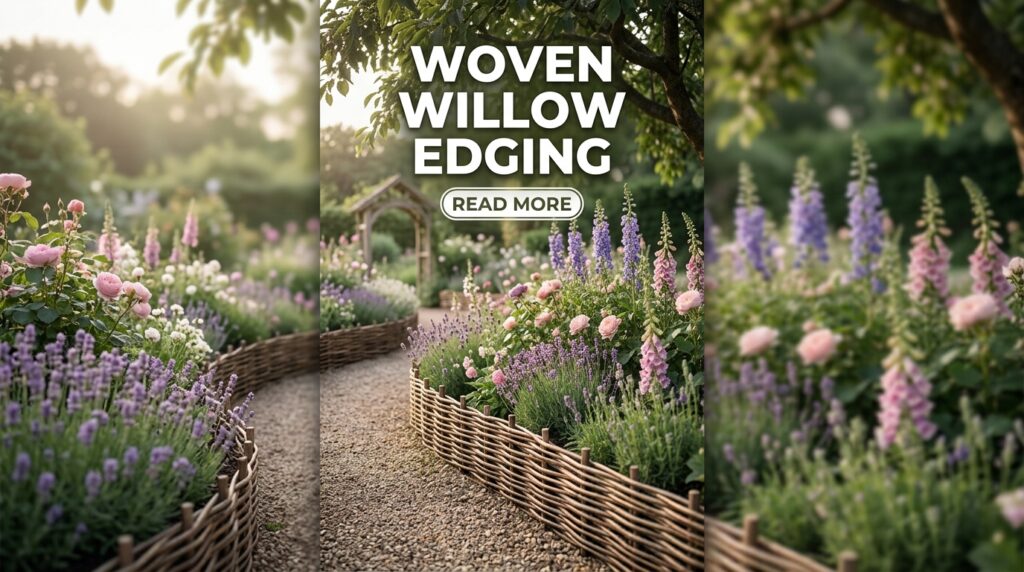
Wood creates a warm and natural border.
Features:
- Affordable
- Easy to install
- Rustic appearance
Best for:
- Cottage gardens
- Vegetable gardens
- Natural landscapes
Popular options include:
- Timber boards
- Log edging
- Railway sleepers
Metal Garden Edging
Metal edging is popular in modern landscape design.
Features:
- Clean lines
- Minimalist appearance
- Highly durable
Best for:
- Modern gardens
- Contemporary landscapes
- Geometric garden layouts
Steel and aluminum are common choices.
Concrete Garden Edging
Concrete offers a sleek and durable solution.
Features:
- Modern appearance
- Low maintenance
- Long lifespan
Best for:
- Contemporary gardens
- Structured landscapes
- Urban outdoor spaces
Concrete edging can be smooth, textured, or decorative.
Gravel Garden Edging
Gravel provides a simple and budget-friendly border.
Features:
- Easy installation
- Good drainage
- Natural appearance
Best for:
- Pathways
- Rock gardens
- Mediterranean-style landscapes
Gravel pairs well with stone and metal edging.
Plant-Based Garden Edging
Living borders create a soft and natural look.
Popular edging plants:
- Boxwood
- Lavender
- Liriope
- Dwarf grasses
- Thyme
Benefits:
- Adds color and texture
- Supports pollinators
- Softens hard landscape features
Plant edging works especially well in cottage and formal gardens.
Modern Garden Edging Ideas
Modern gardens often feature clean, minimalist borders.
Ideas include:
- Thin metal strips
- Concrete borders
- Straight geometric lines
- Black steel edging
The goal is simplicity and visual clarity.
Rustic Garden Edging Ideas
Rustic gardens embrace natural materials.
Popular options:
- Fieldstone borders
- Wooden logs
- Reclaimed timber
- Natural rock edging
These materials create a relaxed countryside feel.
Garden Edging for Flower Beds
Flower beds benefit greatly from defined borders.
Best choices:
- Brick edging
- Stone edging
- Metal edging
- Low-growing plant borders
Clear edges make flower beds stand out and look more organized.
Garden Edging for Vegetable Gardens
Vegetable beds need practical and durable borders.
Recommended materials:
- Wood
- Stone
- Concrete blocks
- Raised bed frames
These materials help contain soil and improve accessibility.
Garden Pathway Edging Ideas
Pathways look more attractive with defined borders.
Popular materials:
- Stone
- Brick
- Gravel
- Metal strips
Good edging keeps pathways neat and prevents spreading materials.
Budget-Friendly Garden Edging Ideas
You don’t need a large budget to create attractive borders.
Affordable options:
- Recycled bricks
- Wooden planks
- River stones
- Reclaimed materials
- Gravel borders
Creative DIY projects can produce beautiful results at low cost.
Small Garden Edging Ideas
Small gardens benefit from simple and clean designs.
Tips:
- Avoid bulky materials
- Use narrow borders
- Choose light colors
- Maintain consistent edging style
Simple borders make small spaces feel larger and more organized.
Garden Edging Design Tips
Match Your Garden Style
Choose edging materials that complement your landscape design.
Consider Maintenance
Some materials require more upkeep than others.
Think About Longevity
Invest in durable materials for long-term value.
Use Curves Carefully
Curved borders create a softer appearance, while straight lines look modern.
Keep Proportions Balanced
Large edging can overwhelm small garden spaces.
Common Mistakes to Avoid
Choosing the Wrong Material
Select materials suitable for your climate and garden style.
Ignoring Drainage
Poor drainage can damage edging and nearby plants.
Inconsistent Design
Mixing too many edging styles can look cluttered.
Poor Installation
Uneven borders reduce visual appeal and durability.
Overcomplicating Small Spaces
Simple designs often work best in compact gardens.
Garden Edging Maintenance
To keep edging looking its best:
- Remove weeds regularly
- Clean dirt and debris
- Repair damaged sections
- Repaint or seal wood when necessary
- Check alignment annually
Regular maintenance extends the life of garden borders.
Why Garden Edging Is Worth Adding
Garden edging helps:
- Define spaces clearly
- Improve visual appeal
- Reduce maintenance
- Protect planting areas
- Create a professional landscape appearance
Even simple edging can make a significant difference in the overall look of a garden.
Conclusion
Garden edging is a practical and decorative feature that can dramatically improve any landscape. Whether you choose stone, brick, wood, metal, concrete, or living plant borders, the right edging creates structure, organization, and beauty throughout your outdoor space.
By selecting materials that match your garden style and maintaining them properly, you can create attractive borders that enhance your landscape for many years. A thoughtfully designed garden edge is often the finishing touch that turns an ordinary garden into a polished and professional-looking outdoor retreat.