
 By John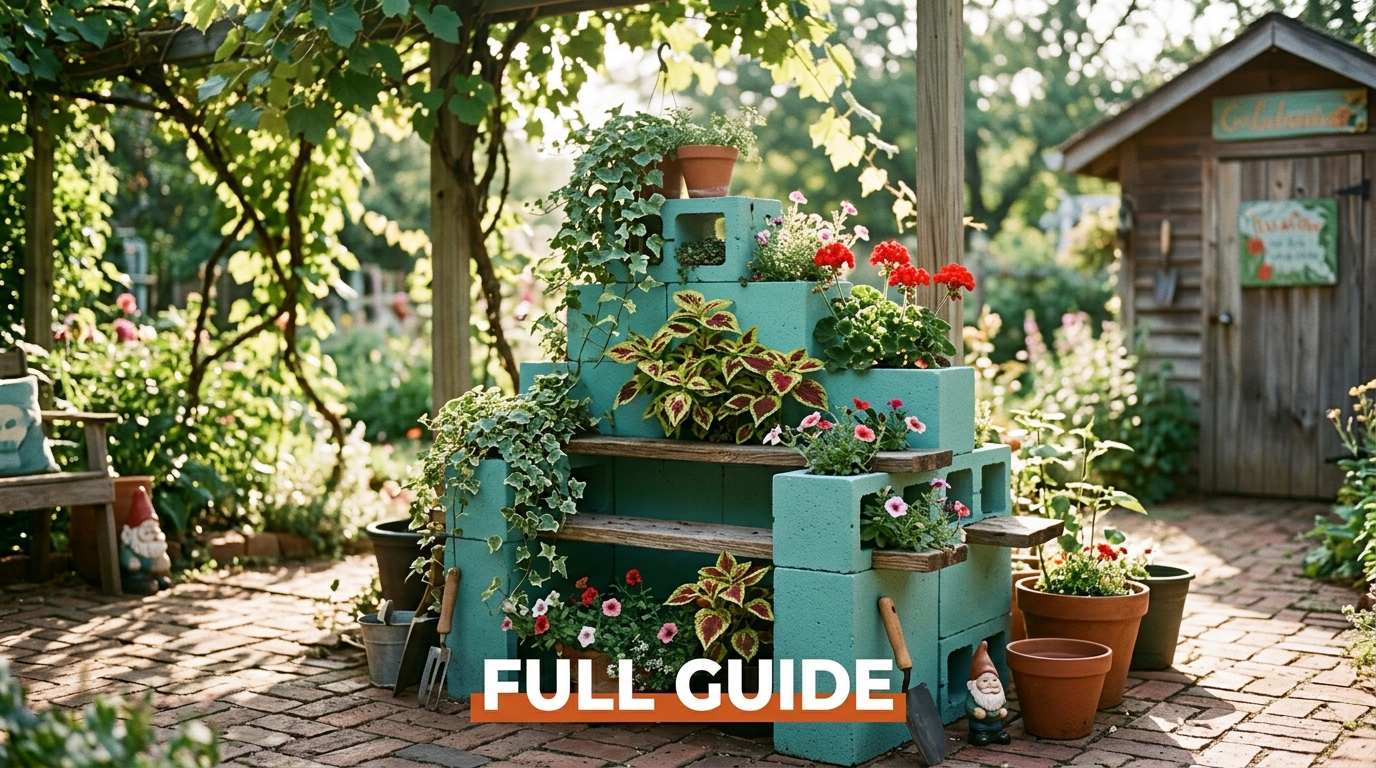
A cinder block garden is a creative gardening method that uses concrete blocks (also called cinder blocks or concrete masonry units) to build planting beds, vertical gardens, and raised structures. It is popular because it is affordable, durable, easy to build, and highly customizable.
This type of garden is perfect for vegetables, herbs, flowers, and even decorative landscaping designs.
What Is a Cinder Block Garden
A cinder block garden is a garden structure made using stacked or arranged concrete blocks. The hollow spaces in the blocks can be used as small planting pockets, while the structure itself can form raised beds, borders, or vertical garden walls.
It is widely used in:
- Backyard vegetable gardens
- Urban gardening spaces
- DIY landscaping projects
- Small-space gardening setups
Benefits of a Cinder Block Garden
Budget-friendly
Cinder blocks are inexpensive and widely available.
Highly durable
They last for many years without rotting or breaking.
Flexible design
You can arrange them in different shapes and layouts.
Space-saving
Perfect for small gardens, patios, and rooftops.
Easy maintenance
Raised structure reduces bending and weeding work.
Cinder Block Garden Design Ideas
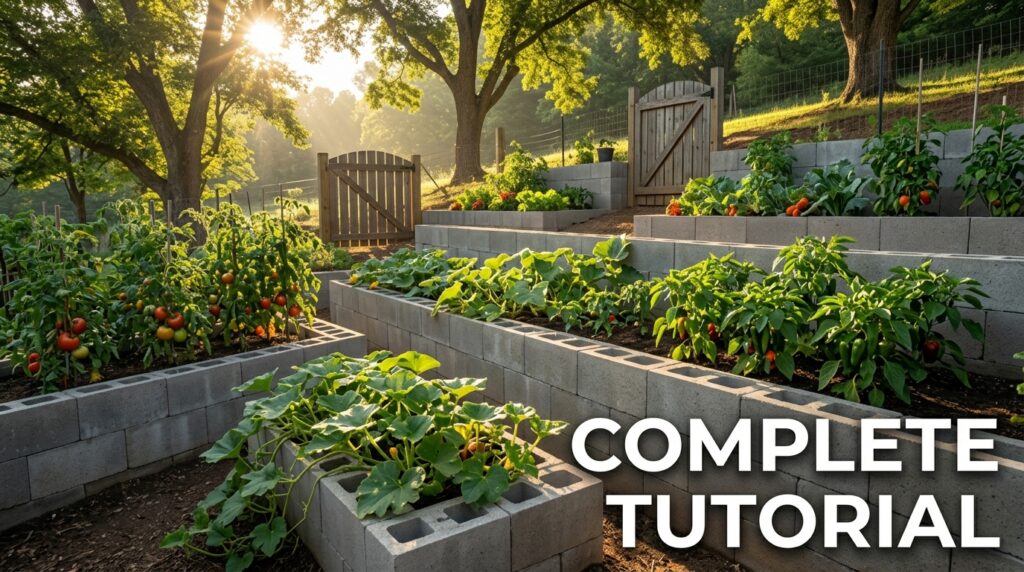
1. Raised Cinder Block Garden Beds


7
Raised beds are the most common design. Blocks are arranged in a rectangle or square and filled with soil.
Best for:
- Tomatoes
- Peppers
- Lettuce
- Herbs
Advantages:
- Better drainage
- Easy access
- Organized planting
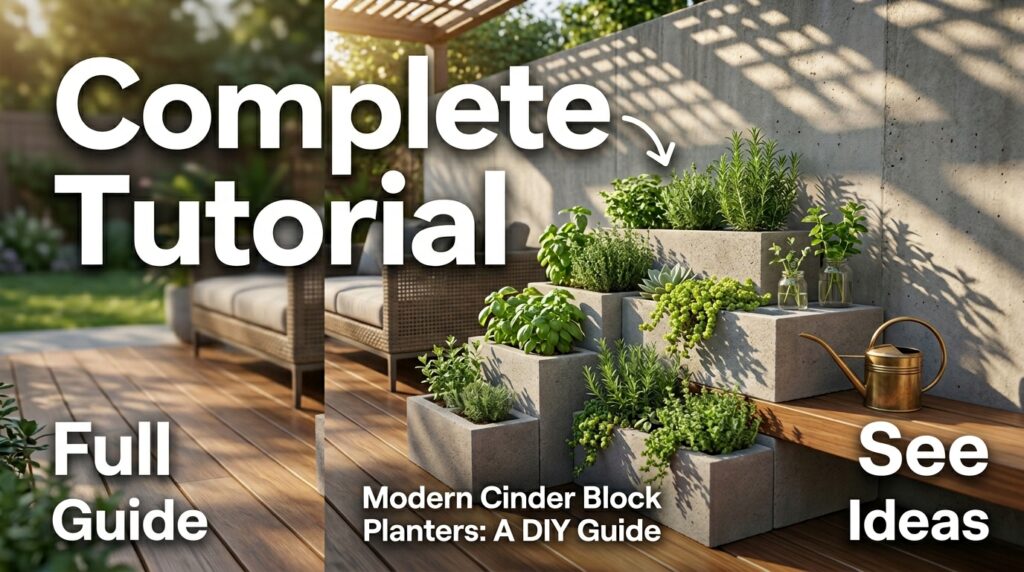
2. Vertical Cinder Block Garden


4
Blocks are stacked to create a wall-like structure, and each hollow section is used as a planter.
Best for:
- Herbs
- Small flowers
- Succulents
Advantages:
- Saves space
- Decorative look
- Great for patios and balconies
3. Cinder Block Flower Garden


10
Used to create colorful flower beds or decorative edges.
Best flowers:
- Marigolds
- Petunias
- Zinnias
- Lavender
Advantages:
- Bright and decorative
- Easy seasonal changes
4. Painted Cinder Block Garden


4
Blocks are painted in bright or artistic colors to enhance visual appeal.
Advantages:
- Customizable design
- Modern aesthetic
- Fun DIY project
Plants for Cinder Block Gardens
Vegetables:
- Tomatoes
- Cucumbers
- Spinach
- Chili peppers
Herbs:
- Basil
- Mint
- Thyme
- Parsley
Flowers:
- Marigolds
- Petunias
- Lavender
- Geraniums
Succulents:
- Aloe vera
- Echeveria
- Sedum
How to Build a Cinder Block Garden
Step 1: Choose location
Select a sunny and flat area.
Step 2: Plan layout
Decide shape (rectangle, square, or vertical wall).
Step 3: Arrange blocks
Place blocks in desired pattern without gaps.
Step 4: Fill soil
Add good-quality soil and compost.
Step 5: Plant
Add seeds or seedlings into blocks and beds.
Step 6: Water regularly
Maintain proper moisture for healthy growth.
Design Tips for Cinder Block Gardens
- Paint blocks for a decorative look
- Mix vegetables and flowers together
- Use drainage gravel at the bottom
- Combine horizontal and vertical layouts
- Add stepping stones for access
Common Mistakes to Avoid
- Using poor-quality soil
- Ignoring drainage
- Overcrowding plants
- Placing garden in full shade
- Not planning layout before building
Why Cinder Block Gardens Are Popular
Cinder block gardens are popular because they:
- Are affordable and DIY-friendly
- Work in small and large spaces
- Are long-lasting and strong
- Allow creative customization
- Support both food and decorative gardening
Conclusion
A cinder block garden is a smart and creative way to build a functional and attractive garden using simple materials. Whether used for vegetables, flowers, or vertical planting, it offers flexibility, durability, and modern style.
With proper planning and design, a cinder block garden can transform any outdoor space into a productive and visually interesting green area.