
 By John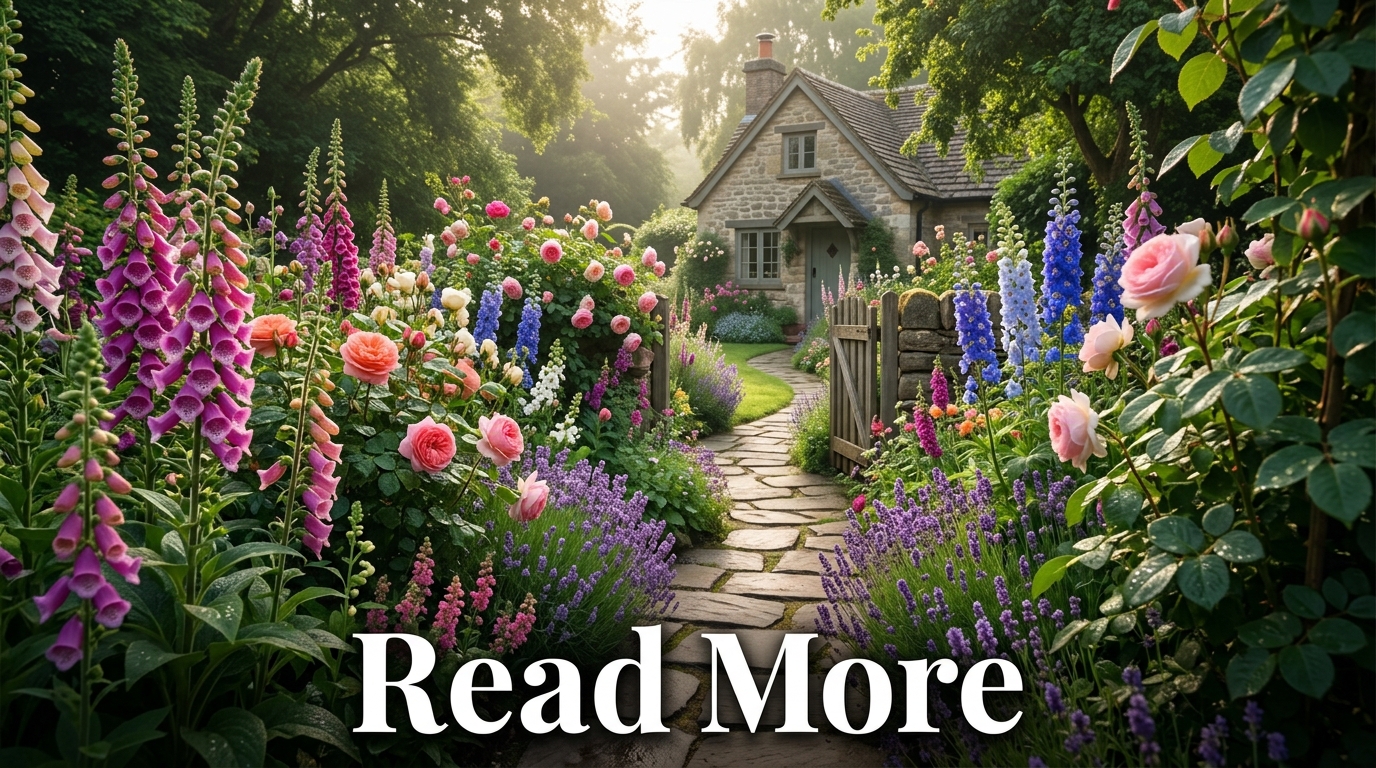
A cottage garden design is one of the most charming and natural styles of gardening. It focuses on creating a lush, colorful, and slightly wild-looking garden filled with flowers, herbs, and climbing plants. Unlike modern gardens that follow strict patterns, cottage gardens feel free-flowing, natural, and full of life.
This garden style is perfect for people who love romantic landscapes, seasonal flowers, and a soft countryside atmosphere.
What Is Cottage Garden Design
Cottage garden design is a style of landscaping where plants are grown closely together in a relaxed and informal layout. The aim is to create a natural overflowing effect rather than neat structured lines.
It usually includes:
- Mixed flower beds
- Curved or winding paths
- Climbing plants on fences or walls
- Herbs and vegetables mixed with flowers
- Dense and colorful planting
Key Characteristics of Cottage Garden Design
Dense planting style
Plants are placed close together so the garden looks full and lush throughout the year.
Natural layout
There are no strict geometric shapes. Everything flows in a soft and organic way.
Continuous flowering
Plants are selected so that something is always blooming in every season.
Mixed planting approach
Flowers, herbs, and small shrubs grow together instead of being separated.
Popular Plants in Cottage Garden Design
Flowering plants


4
Common flowers include roses, foxgloves, delphiniums, hollyhocks, daisies, peonies, lavender, and cosmos. These plants add height, color, and fragrance.
Climbing Plants in Cottage Garden Design


4
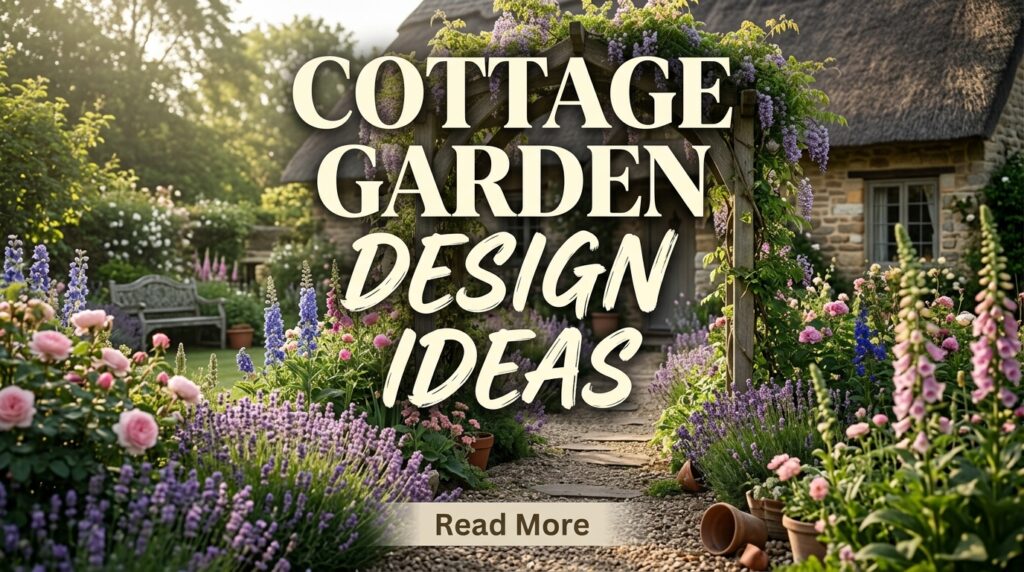
Climbing plants are essential for vertical beauty. Popular choices include climbing roses, clematis, wisteria, and honeysuckle. They are usually grown on fences, arches, and pergolas.
Herbs and Useful Plants
Herbs are often included in cottage gardens for fragrance and practical use. Common herbs are thyme, rosemary, mint, sage, chives, and parsley. These plants are easy to grow and very useful in daily cooking.
Cottage Garden Path Design


4
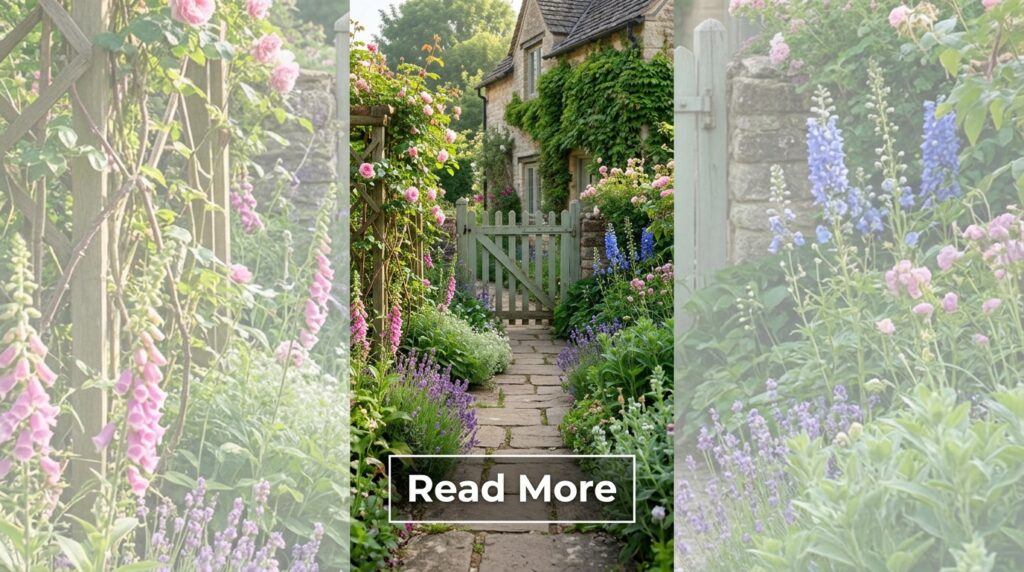
Paths in cottage gardens are usually curved and natural-looking. They are made using gravel, stone, or brick. Plants often grow close to the edges of paths, creating a soft and romantic feel.
Small Cottage Garden Design Ideas


8
Even small spaces can become beautiful cottage gardens. Use containers, vertical planting, and climbing plants to maximize space. Dense planting helps create a full and rich look even in limited areas.
Cottage Garden Color Style
Cottage gardens often use soft romantic colors like pink, lavender, white, and blue. Some designs also use bright colors like red, yellow, and orange for a more vibrant look. A white garden style is also popular for a calm and elegant appearance.
Design Tips for Cottage Gardens
Mix different plant heights to create depth and structure. Repeat certain plants to maintain balance. Allow plants to overlap naturally for a soft look. Choose flowers that bloom in different seasons. Add fragrance-rich plants for sensory appeal.
Common Mistakes to Avoid
Avoid leaving too much empty space because cottage gardens rely on fullness. Do not use rigid geometric patterns. Avoid planting only one type of flower. Make sure plants are suited to your sunlight conditions.
Conclusion
Cottage garden design is a timeless and beautiful style that brings together nature, color, and romance. With its dense planting, flowing paths, and mix of flowers and herbs, it creates a peaceful outdoor space full of charm and character. Whether your garden is large or small, this style can transform it into a lush and inviting natural retreat.