 By John
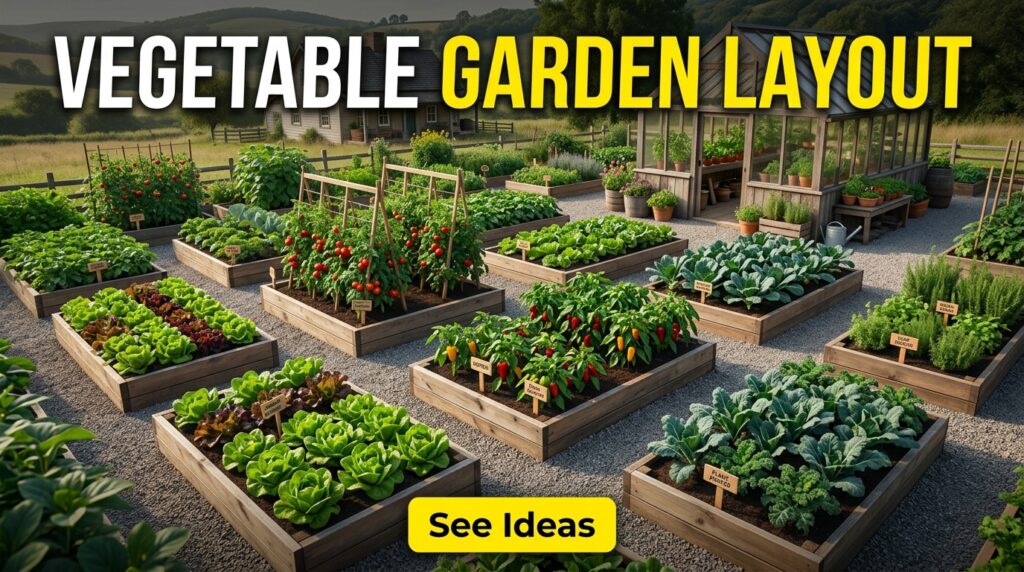
A well-planned vegetable garden layout design is the foundation of a productive and enjoyable gardening experience. Whether you’re growing fresh vegetables for your family, creating a backyard kitchen garden, or maximizing a small outdoor space, the right layout can significantly improve plant health, increase harvests, simplify maintenance, and make gardening more enjoyable.
An organized garden not only looks attractive but also ensures that each plant receives adequate sunlight, water, airflow, and room to grow. With thoughtful planning, you can create a vegetable garden that produces fresh, healthy food throughout the growing season while making the best use of every square foot.
This complete guide covers everything you need to know about vegetable garden layout design, including planning tips, popular layouts, companion planting, spacing, irrigation, pathways, and maintenance strategies.
Why Vegetable Garden Layout Design Matters
A successful vegetable garden starts with a smart layout. Proper planning helps prevent overcrowding, reduces pests and diseases, improves accessibility, and makes harvesting easier.
Benefits of a good vegetable garden layout include:
- Higher crop yields
- Better sunlight exposure
- Improved air circulation
- Efficient watering
- Easier maintenance
- Reduced weed growth
- Healthier soil
- Attractive appearance
A carefully designed layout also allows for crop rotation and future garden expansion.
Assess Your Garden Space
Before planting, evaluate your available growing area.
Consider the following:
- Total garden size
- Sunlight exposure
- Soil quality
- Drainage
- Water access
- Climate
- Wind protection
- Nearby trees or buildings
Most vegetables require at least six to eight hours of direct sunlight each day for optimal growth.
Choose the Best Garden Location
Selecting the right location is one of the most important steps in vegetable gardening.
An ideal location should offer:
- Full sun
- Well-drained soil
- Easy access to water
- Good air circulation
- Level ground
- Convenient access for maintenance and harvesting
Avoid low-lying areas where water tends to collect after rainfall.
Popular Vegetable Garden Layout Designs
Traditional Row Garden
The traditional row layout is one of the simplest and most common designs.
Advantages include:
- Easy planting
- Simple maintenance
- Efficient harvesting
- Suitable for large gardens
Rows should run north to south whenever possible to maximize sunlight exposure.
Raised Bed Garden
Raised beds have become increasingly popular among home gardeners.
Benefits include:
- Improved drainage
- Better soil quality
- Reduced weeds
- Easier access
- Longer growing season
Raised beds are especially useful for small spaces and areas with poor soil.
Square Foot Garden
Square foot gardening divides raised beds into one-foot squares, allowing different crops to grow efficiently in a compact space.
Advantages include:
- Maximum productivity
- Minimal waste
- Easy organization
- Less weeding
- Beginner friendly
Each square contains a specific number of plants depending on their mature size.
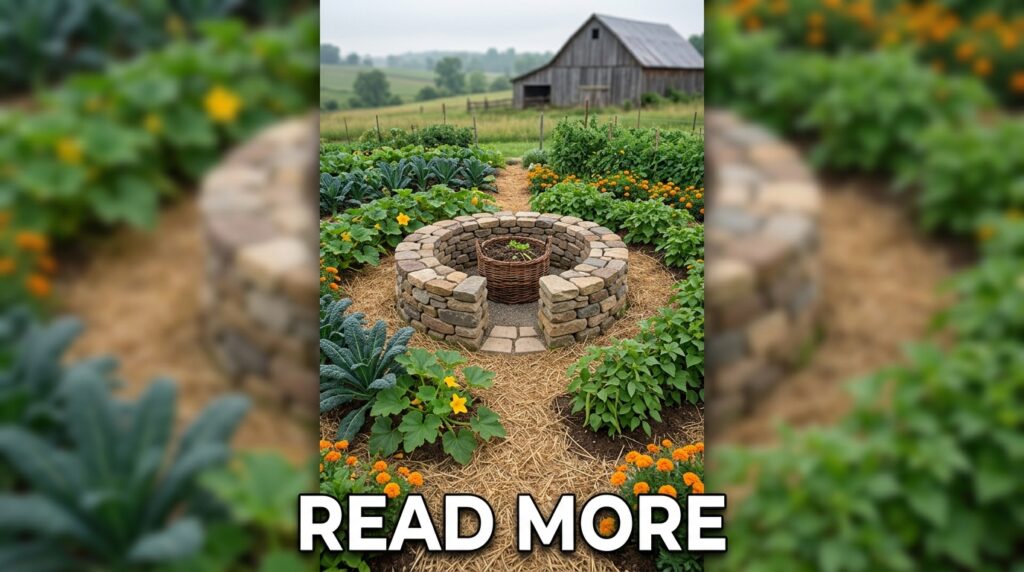
Keyhole Garden
A keyhole garden features a circular raised bed with a central compost basket and a narrow path leading into the center.
Benefits include:
- Excellent water efficiency
- Continuous composting
- Easy maintenance
- Ideal for dry climates
Potager Garden
A potager combines vegetables, herbs, flowers, and ornamental elements into a decorative kitchen garden.
Features include:
- Symmetrical layouts
- Attractive pathways
- Companion planting
- Seasonal color
- Functional beauty
Plan Garden Pathways
Well-designed pathways improve accessibility and reduce soil compaction.
Popular pathway materials include:
- Gravel
- Wood chips
- Brick
- Stepping stones
- Mulch
- Pavers
Main paths should be wide enough for comfortable movement and wheelbarrow access.
Organize Plants by Height
Arrange crops according to their mature height.
Place:
- Tall vegetables at the back or north side
- Medium-height plants in the middle
- Low-growing crops at the front or south side
This prevents taller plants from shading shorter vegetables.
Companion Planting
Companion planting improves growth while naturally reducing pests.
Popular combinations include:
- Tomatoes with basil
- Carrots with onions
- Cucumbers with nasturtiums
- Beans with corn
- Lettuce with radishes
- Spinach with strawberries
Some flowers also attract beneficial pollinators and predatory insects.
Crop Rotation
Rotating crops each season helps prevent soil depletion and disease buildup.
A simple rotation may include:
Year One:
- Tomatoes
- Peppers
- Eggplants
Year Two:
- Beans
- Peas
Year Three:
- Root vegetables
Year Four:
- Leafy greens
This system promotes healthier soil and stronger plants.
Best Vegetables for Beginners
If you’re new to gardening, start with easy-to-grow vegetables such as:
- Lettuce
- Radishes
- Green beans
- Tomatoes
- Cucumbers
- Carrots
- Spinach
- Zucchini
- Peppers
- Kale
These crops are generally reliable and productive.
Raised Bed Design Tips
For maximum efficiency:
- Keep beds no wider than four feet.
- Leave pathways between beds.
- Use high-quality compost-rich soil.
- Install drip irrigation.
- Add mulch around plants.
Raised beds make maintenance significantly easier.
Vertical Gardening
Vertical gardening saves valuable space while improving airflow.
Grow climbing vegetables such as:
- Cucumbers
- Pole beans
- Peas
- Tomatoes
- Squash
Support plants using:
- Trellises
- Arches
- Cages
- Netting
- Pergolas
Vertical growing also simplifies harvesting.
Irrigation Planning
Consistent watering is essential for healthy vegetables.
Popular irrigation methods include:
Drip Irrigation
Provides water directly to plant roots while conserving water.
Soaker Hoses
Deliver slow, even moisture throughout garden beds.
Hand Watering
Ideal for small gardens requiring careful attention.
Rainwater Collection
Harvesting rainwater reduces water bills and supports sustainable gardening.
Mulching Benefits
Mulch improves both plant health and garden appearance.
Benefits include:
- Moisture retention
- Weed suppression
- Soil temperature regulation
- Reduced erosion
- Improved soil fertility
Organic mulch options include straw, shredded leaves, compost, and untreated wood chips.
Soil Preparation
Healthy soil produces healthy vegetables.
Improve soil by adding:
- Compost
- Aged manure
- Leaf mold
- Organic fertilizer
- Worm castings
Regular soil testing helps identify nutrient deficiencies before planting.
Garden Borders and Edging
Defined borders keep the garden organized.
Popular edging materials include:
- Brick
- Stone
- Steel edging
- Timber
- Concrete blocks
Neat edges improve both functionality and visual appeal.
Seasonal Planting Plan
Spring
Plant:
- Lettuce
- Peas
- Carrots
- Radishes
- Spinach
Summer
Grow:
- Tomatoes
- Cucumbers
- Beans
- Corn
- Peppers
Autumn
Plant:
- Broccoli
- Kale
- Beets
- Cabbage
- Garlic
A seasonal planting schedule ensures continuous harvests throughout the year.
Small Vegetable Garden Layout Ideas
Limited space can still produce abundant harvests.
Ideas include:
- Raised beds
- Vertical gardens
- Container gardening
- Hanging baskets
- Wall planters
- Square foot gardening
Every inch of available space can be used efficiently.
Decorative Features
Vegetable gardens can be both productive and beautiful.
Enhance your garden with:
- Wooden arches
- Decorative trellises
- Rustic fencing
- Garden benches
- Birdbaths
- Flower borders
- Solar lights
Flowers such as marigolds and calendula add color while attracting pollinators.
Sustainable Vegetable Garden Design
Eco-friendly gardening benefits both your harvest and the environment.
Sustainable practices include:
- Composting kitchen waste
- Rainwater harvesting
- Organic pest control
- Native flowers
- Crop rotation
- Mulching
- Natural fertilizers
These methods build healthier soil while reducing waste.
Common Layout Mistakes
Avoid these common gardening errors:
- Planting too closely
- Ignoring sunlight requirements
- Poor drainage
- Narrow pathways
- Overwatering
- Forgetting crop rotation
- Using poor-quality soil
Planning ahead prevents many future problems.
Maintenance Tips
Regular maintenance keeps your garden productive.
Tasks include:
- Water consistently
- Remove weeds
- Harvest regularly
- Prune plants
- Feed crops as needed
- Inspect for pests
- Refresh mulch
- Rotate crops annually
Frequent observation helps identify problems early.
Frequently Asked Questions
What is the best layout for a vegetable garden?
Raised beds and square foot gardens are among the most efficient layouts because they maximize space, improve soil quality, and simplify maintenance.
How much sunlight do vegetables need?
Most vegetables require six to eight hours of direct sunlight every day for healthy growth and high yields.
What vegetables grow well together?
Popular companion plant combinations include tomatoes with basil, carrots with onions, beans with corn, and lettuce with radishes.
Should vegetable rows run north to south?
Yes. North-to-south rows generally provide more even sunlight throughout the day, helping plants grow uniformly.
How wide should raised beds be?
Raised beds should usually be no wider than four feet so plants can be reached comfortably from either side without stepping on the soil.
Conclusion
A thoughtful vegetable garden layout design is the key to growing healthy, productive crops while creating an attractive outdoor space. By carefully planning your garden’s location, selecting the right layout, organizing plants by height, practicing companion planting, and maintaining healthy soil, you can enjoy fresh vegetables throughout the growing season.
Whether you choose traditional rows, raised beds, square foot gardening, or a decorative potager, the right design will improve efficiency, reduce maintenance, and maximize harvests. With proper planning and consistent care, your vegetable garden will become a rewarding source of fresh, homegrown produce and a beautiful feature in your landscape for years to come.