
 By John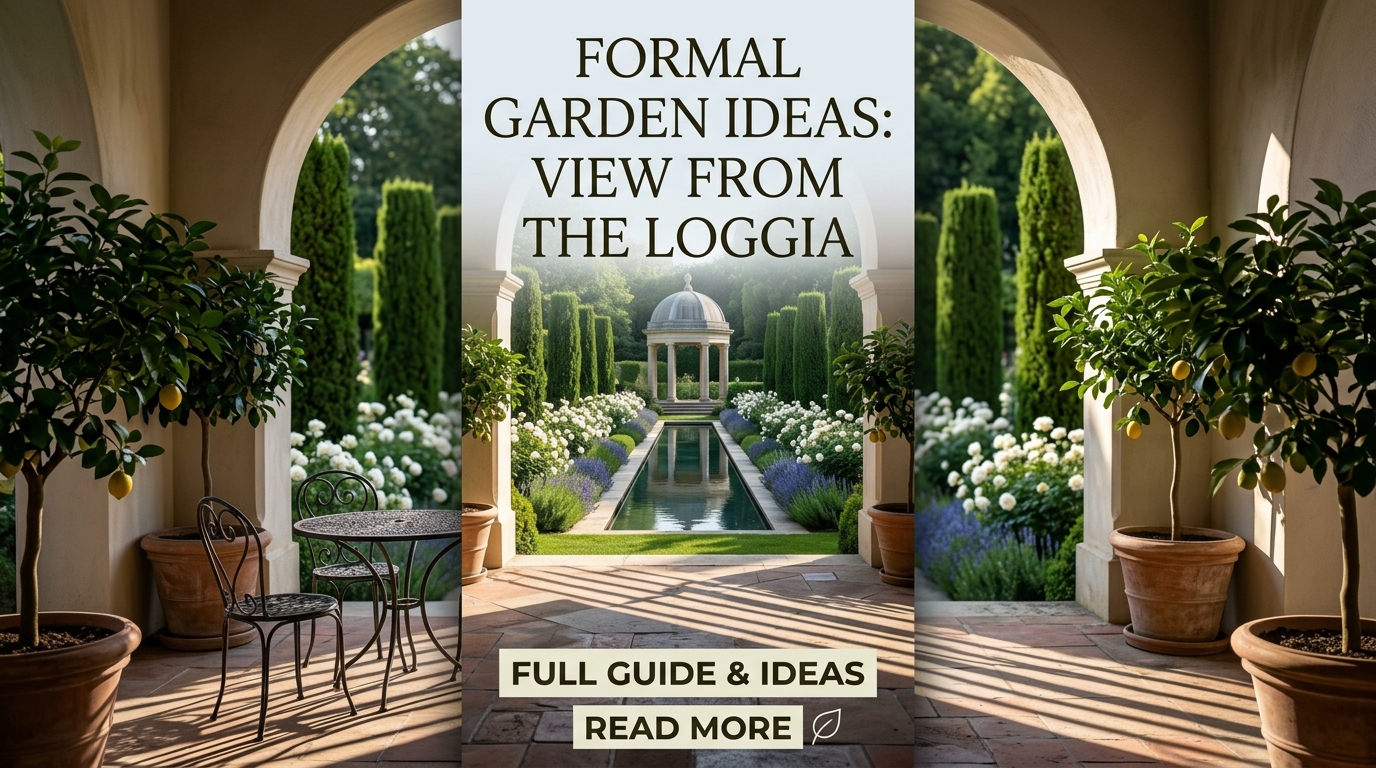
Formal Garden Design: Create a Sophisticated Outdoor Space with Balance and Symmetry
Formal garden design is one of the most timeless and elegant landscaping styles, admired for its symmetry, structure, and refined beauty. Originating from the grand gardens of Europe, formal gardens feature geometric layouts, carefully trimmed hedges, symmetrical planting, and architectural focal points that create a sense of order and harmony. Whether you have a spacious estate or a modest backyard, incorporating elements of formal garden design can transform your outdoor space into a sophisticated retreat.
Unlike informal gardens that embrace a natural and free-flowing appearance, formal gardens rely on precise planning and balanced layouts. Every pathway, flower bed, shrub, and decorative feature is intentionally positioned to create visual balance and a polished aesthetic.
This comprehensive guide explores everything you need to know about formal garden design, including planning, layout ideas, plant selection, hardscaping, maintenance, and expert landscaping tips.
What Is Formal Garden Design?
Formal garden design is a landscaping style characterized by symmetry, clean lines, geometric shapes, and carefully maintained plants. Every element is arranged with purpose to create a cohesive and elegant appearance.
Typical features include:
- Symmetrical layouts
- Straight pathways
- Boxwood hedges
- Geometric flower beds
- Decorative fountains
- Stone walkways
- Topiary plants
- Classical statues
- Formal lawns
- Ornamental trees
The overall design emphasizes balance, proportion, and visual order.
Benefits of Formal Garden Design
A formal garden offers numerous advantages for homeowners.
Timeless Elegance
Formal gardens never go out of style. Their classic design complements both traditional and modern homes.
Increased Property Value
Professionally designed landscapes with formal elements often improve curb appeal and enhance property value.
Organized Appearance
Symmetrical layouts create a sense of calm, order, and sophistication.
Year-Round Structure
Evergreen hedges and architectural features maintain visual interest even during winter.
Flexible Design
Formal principles can be adapted to gardens of all sizes, from compact courtyards to expansive estates.
Principles of Formal Garden Design
Understanding the basic design principles helps create a cohesive landscape.
Symmetry
Symmetry is the defining characteristic of formal gardens.
Both sides of the garden mirror one another, creating visual balance and harmony.
Geometry
Squares, circles, rectangles, and other geometric shapes organize planting beds and pathways.
Repetition
Repeating plants, colors, and materials creates consistency throughout the landscape.
Focal Points
Every formal garden should include one or more focal points, such as:
- Fountain
- Sculpture
- Sundial
- Ornamental tree
- Gazebo
These features naturally draw the eye.
Planning Your Formal Garden
Before beginning construction, carefully assess your space.
Consider:
- Garden size
- Sunlight
- Soil conditions
- Existing structures
- Budget
- Drainage
- Maintenance requirements
A scaled garden plan ensures proper proportions and spacing.
Choosing a Layout
Several layouts work well in formal landscapes.
Rectangular Layout
Straight borders and rectangular planting beds create a clean, traditional appearance.
Circular Garden
Circular paths surrounding a central fountain or sculpture create elegance and balance.
Courtyard Garden
Ideal for smaller spaces, courtyard gardens emphasize symmetry using paved surfaces, containers, and clipped hedges.
Parterre Garden
Parterre gardens feature intricate geometric patterns bordered by low hedges and filled with colorful flowers or gravel.
They remain one of the most iconic examples of formal garden design.
Pathways
Straight pathways reinforce the structured layout.
Popular materials include:
- Natural stone
- Brick
- Limestone
- Gravel
- Concrete pavers
Wide paths improve accessibility while enhancing the garden’s grand appearance.
Formal Garden Borders
Neatly defined borders provide structure.
Common edging materials include:
- Brick
- Stone
- Steel edging
- Boxwood hedges
Consistent borders help unify the entire design.
Best Plants for Formal Gardens
Plant selection plays a major role in achieving an elegant appearance.
Boxwood
Boxwood remains the classic hedge for formal gardens because it responds well to regular trimming.
Yew
Yew creates dense evergreen hedges and topiary shapes.
Lavender
Lavender softens geometric layouts while adding fragrance and pollinator appeal.
Roses
Classic rose beds introduce color and timeless beauty.
Hydrangeas
Hydrangeas provide large, elegant blooms that complement formal planting schemes.
Japanese Holly
An excellent alternative to boxwood with dense evergreen foliage.
Coneflowers
Coneflowers add seasonal interest while attracting beneficial pollinators.
Topiary
Topiary involves shaping shrubs into decorative forms.
Popular shapes include:
- Spheres
- Cones
- Spirals
- Cubes
- Animals
- Pyramids
Topiary serves as living sculpture throughout the garden.
Lawn Design
Healthy lawns create visual contrast against hedges and flower beds.
Maintain lawns by:
- Mowing regularly
- Watering deeply
- Fertilizing seasonally
- Aerating annually
A perfectly maintained lawn is central to formal landscaping.
Water Features
Water adds movement and elegance.
Popular options include:
- Tiered fountains
- Reflecting pools
- Stone basins
- Wall fountains
Position water features along central axes for maximum visual impact.
Garden Structures
Architectural elements add sophistication.
Consider including:
- Pergolas
- Gazebos
- Arbors
- Classical columns
- Garden pavilions
These structures provide focal points while enhancing outdoor living.
Decorative Accessories
Keep decorations refined and balanced.
Popular accessories include:
- Stone urns
- Marble statues
- Sundials
- Decorative benches
- Iron gates
- Lanterns
Avoid overcrowding the landscape with excessive ornamentation.
Lighting Ideas
Thoughtful lighting extends garden enjoyment into the evening.
Include:
- Path lights
- Spotlights
- Uplighting for trees
- Wall lanterns
- Fountain lighting
Warm lighting highlights architectural features without overpowering the design.
Formal Garden Color Palette
A restrained color palette creates elegance.
Popular combinations include:
- White and green
- Purple and silver
- Soft pink and cream
- Blue and white
- Lavender and gray
Limiting colors enhances visual harmony.
Seasonal Planting
Plan for year-round beauty.
Spring
Plant:
- Tulips
- Daffodils
- Hyacinths
Summer
Enjoy:
- Roses
- Lavender
- Salvia
- Hydrangeas
Autumn
Add:
- Ornamental grasses
- Chrysanthemums
- Japanese maples
Winter
Maintain structure with:
- Evergreen hedges
- Topiary
- Holly
- Decorative bark
A balanced seasonal plan keeps the garden attractive throughout the year.
Small Formal Garden Ideas
Even compact gardens can embrace formal design.
Ideas include:
- Symmetrical containers
- Boxwood borders
- Small fountains
- Geometric paving
- Central seating
- Vertical topiary
Simple layouts prevent small spaces from feeling crowded.
Sustainable Formal Gardens
Formal gardens can also be environmentally friendly.
Eco-conscious ideas include:
- Native plant selections
- Organic fertilizers
- Composting
- Rainwater harvesting
- Permeable paving
- Solar lighting
Sustainability and elegance can coexist beautifully.
Maintenance Tips
Formal gardens require regular attention.
Routine tasks include:
- Trimming hedges
- Pruning topiary
- Weeding flower beds
- Cleaning pathways
- Feeding plants
- Watering consistently
- Mowing lawns
- Inspecting irrigation systems
Consistent maintenance preserves the garden’s structured appearance.
Common Design Mistakes
Avoid these common errors:
- Poor symmetry
- Overcrowded planting
- Too many decorative features
- Irregular hedge trimming
- Mismatched materials
- Neglected lawns
- Weak focal points
Attention to detail is essential for achieving a polished landscape.
Why Formal Garden Design Remains Popular
Formal gardens continue to inspire homeowners because they offer:
- Timeless beauty
- Elegant organization
- Increased property value
- Flexible layouts
- Impressive curb appeal
- Peaceful outdoor spaces
- Architectural sophistication
Their classic style remains relevant across changing landscaping trends.
Frequently Asked Questions
What defines a formal garden?
A formal garden features symmetrical layouts, geometric planting, clipped hedges, straight pathways, and carefully positioned focal points.
Which plants are best for formal gardens?
Boxwood, yew, lavender, roses, hydrangeas, Japanese holly, and topiary shrubs are among the most popular choices.
Are formal gardens difficult to maintain?
They generally require more maintenance than informal gardens because hedges, lawns, and topiary need regular care to maintain their precise appearance.
Can a small backyard have a formal garden?
Yes. Compact gardens can successfully incorporate symmetry, geometric beds, formal paving, and clipped shrubs.
What is the most important element of formal garden design?
Symmetry is the defining characteristic, creating balance and visual harmony throughout the landscape.
Conclusion
Formal garden design combines elegance, structure, and timeless beauty to create outdoor spaces that remain impressive throughout every season. With symmetrical layouts, geometric planting beds, manicured hedges, graceful water features, and carefully selected plants, a formal garden becomes an extension of your home’s architecture and style.
Whether you are designing a grand estate garden or a compact courtyard, applying the principles of balance, repetition, and proportion will help you create a sophisticated landscape that is both functional and visually stunning. By investing in quality materials, thoughtful planning, and regular maintenance, your formal garden will provide lasting beauty, tranquility, and value for many years to come.