
 By John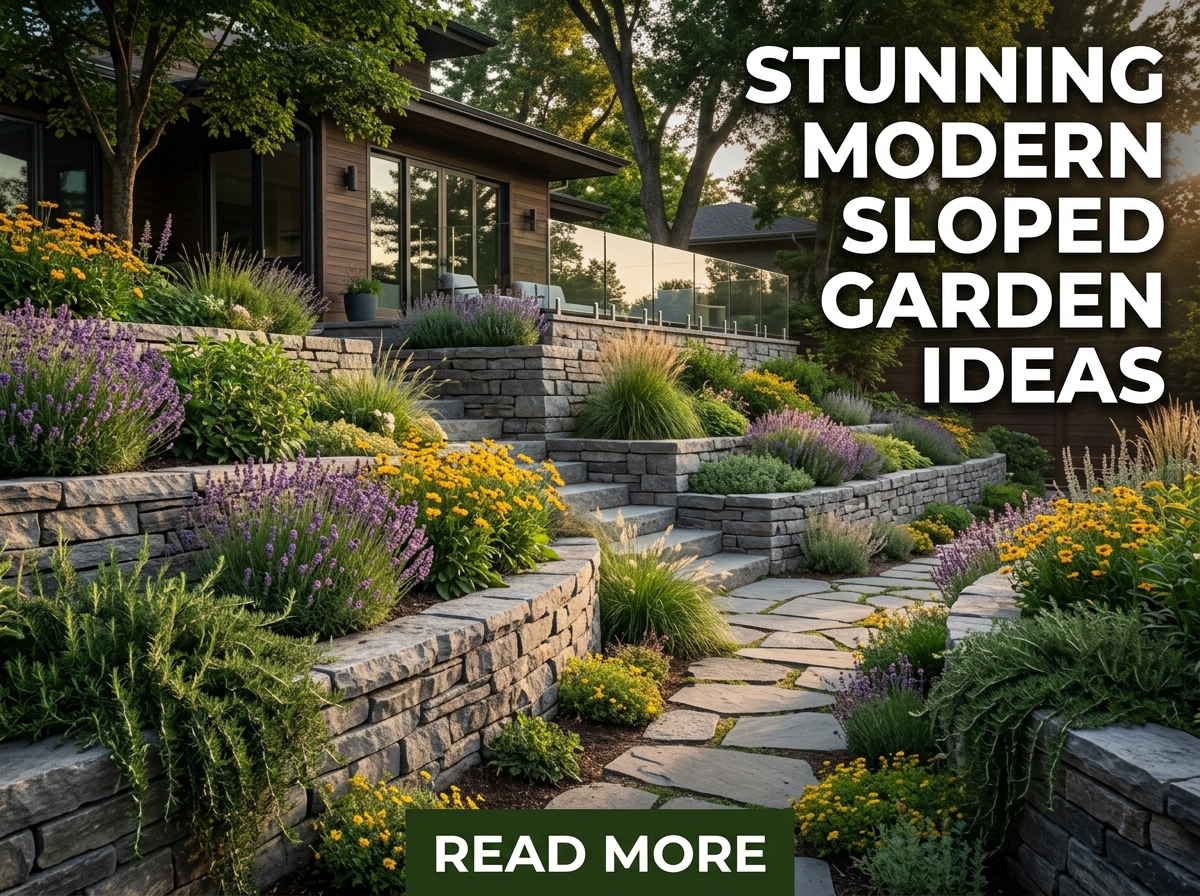
A sloped garden can be one of the most beautiful and unique features of a landscape when designed correctly. While gardening on a slope presents challenges such as erosion, drainage issues, and difficult maintenance, it also offers exciting opportunities for creating multi-level planting areas, stunning views, and dramatic visual interest.
Whether you have a gentle incline or a steep hillside, a well-planned sloped garden can transform a difficult outdoor space into a breathtaking landscape filled with texture, color, and functionality.
What Is a Sloped Garden?
A sloped garden is a landscape built on land that has a noticeable incline or elevation change. Instead of viewing the slope as a problem, homeowners can use it to create dynamic garden designs that make the most of the terrain.
Common sloped garden features include:
- Terraced planting beds
- Retaining walls
- Stone pathways
- Water features
- Rock gardens
- Stairways
- Multi-level seating areas
Benefits of a Sloped Garden
Unique Visual Appeal
Elevation changes naturally add depth and dimension to a landscape.
Better Drainage
Slopes often provide excellent natural drainage when properly designed.
Opportunities for Creative Design
Multiple levels allow for unique layouts and focal points.
Increased Property Value
A professionally designed hillside landscape can significantly improve curb appeal.
Improved Views
Terraced gardens often provide beautiful vantage points throughout the property.
Challenges of Sloped Gardens
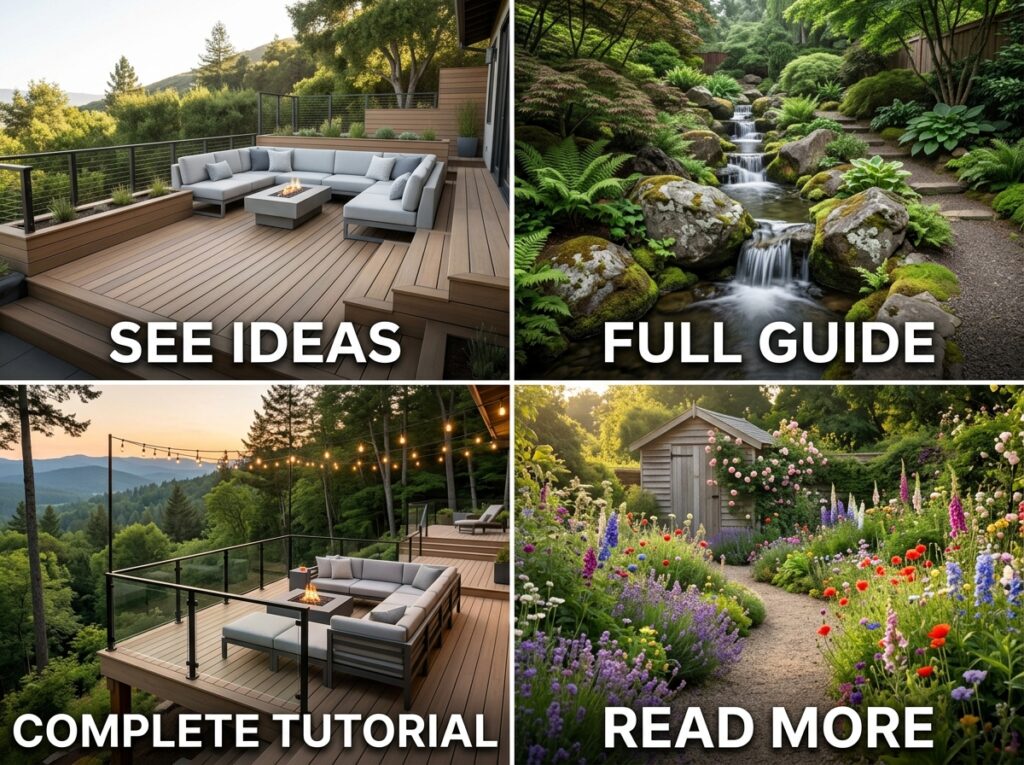
Before planning your garden, it’s important to understand common challenges.
Soil Erosion
Rainwater can wash away soil if slopes are left unprotected.
Water Runoff
Improper drainage can damage plants and structures.
Difficult Maintenance
Steep slopes may be harder to access for planting and upkeep.
Limited Plant Stability
Plants on slopes require strong root systems to anchor the soil.
Fortunately, thoughtful design can solve these issues.
Best Sloped Garden Design Ideas
1. Terraced Garden Design
Terracing is one of the most effective solutions for hillside landscaping.
Benefits:
- Reduces erosion
- Creates usable planting space
- Improves accessibility
- Adds visual structure
Terraces can be built using stone, timber, brick, or concrete retaining walls.
2. Rock Garden Slope
Rock gardens blend naturally with sloped terrain.
Features:
- Decorative boulders
- Gravel pathways
- Drought-tolerant plants
- Low-maintenance design
This style works particularly well on steep hillsides.
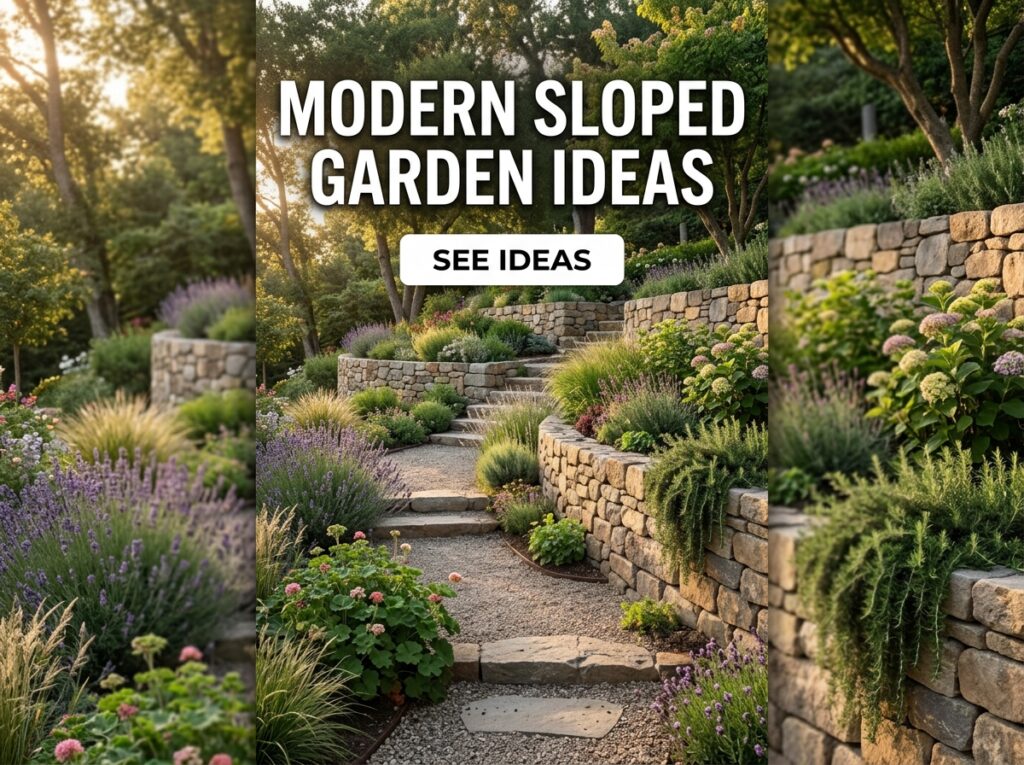
3. Cottage-Style Sloped Garden
Create a romantic and colorful landscape.
Include:
- Curved pathways
- Flower-filled terraces
- Climbing plants
- Rustic seating areas
The layered planting creates a lush appearance.
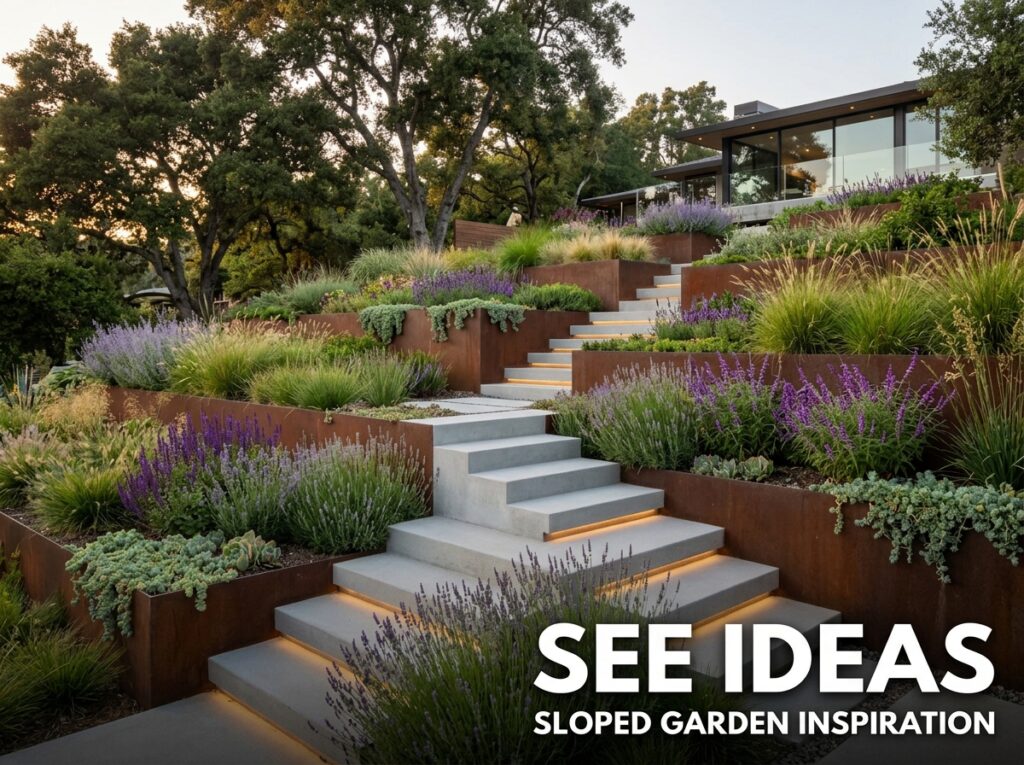
4. Modern Sloped Garden
Clean lines and structured layouts define modern hillside gardens.
Features:
- Geometric terraces
- Minimal plant palettes
- Architectural plants
- Contemporary materials
5. Woodland Sloped Garden
Perfect for shaded hillsides.
Popular Plants:
- Ferns
- Hostas
- Hydrangeas
- Woodland grasses
This design creates a peaceful, natural atmosphere.
Retaining Wall Ideas for Sloped Gardens
Retaining walls provide structure and prevent soil erosion.
Natural Stone Walls
Timeless and attractive.
Timber Retaining Walls
Affordable and rustic.
Concrete Walls
Modern and durable.
Gabion Walls
Wire cages filled with stone for a contemporary look.
Best Plants for a Sloped Garden
Plants with strong root systems help stabilize soil.
Ground Covers
Excellent for erosion control.
Popular Choices:
- Creeping thyme
- Sedum
- Ajuga
- Periwinkle
Ornamental Grasses
Provide texture and root stability.
Examples:
- Fountain grass
- Blue fescue
- Switchgrass
Shrubs
Strong-rooted shrubs help anchor slopes.
Great Options:
- Juniper
- Spirea
- Boxwood
- Cotoneaster
Perennials
Add long-lasting color.
Popular Varieties:
- Lavender
- Coneflowers
- Black-eyed Susan
- Salvia
Sloped Garden Path Ideas
Pathways improve accessibility and visual flow.
Stone Steps
Natural and durable.
Gravel Walkways
Budget-friendly and attractive.
Timber Steps
Blend beautifully with rustic gardens.
Curved Paths
Create a softer and more natural appearance.
Small Sloped Garden Ideas
Even compact slopes can become beautiful landscapes.
Tiered Raised Beds
Create organized planting zones.
Vertical Planting
Use retaining walls for additional greenery.
Mini Rock Gardens
Low maintenance and visually appealing.
Compact Seating Areas
Take advantage of elevated views.
Water Features for Sloped Gardens
Slopes are ideal for water features because gravity assists water flow.
Cascading Waterfalls
Create movement and sound.
Stream Gardens
Natural-looking landscape feature.
Pond and Waterfall Combination
Beautiful focal point for larger gardens.
Modern Water Walls
Perfect for contemporary designs.
Sloped Vegetable Garden Ideas
Growing food on a slope is possible with proper planning.
Best Solutions:
- Terraced raised beds
- Retaining wall planters
- Drip irrigation systems
- Mulching for moisture retention
Vegetable terraces improve both productivity and accessibility.
Erosion Control Tips
Preventing erosion is essential in hillside gardens.
Plant Ground Covers
Cover exposed soil quickly.
Use Mulch
Protects soil from rain impact.
Install Retaining Structures
Adds stability to steep areas.
Improve Drainage
Direct water away from vulnerable sections.
Low-Maintenance Sloped Garden Ideas
For easy upkeep, focus on:
- Native plants
- Rock gardens
- Evergreen shrubs
- Mulched planting beds
- Drought-tolerant species
These reduce watering and maintenance requirements.
Common Mistakes to Avoid
Ignoring Drainage
Poor drainage can cause serious landscape damage.
Overcrowding Plants
Allow enough space for mature growth.
Building Weak Retaining Walls
Structural stability is essential.
Choosing High-Maintenance Plants
Opt for hardy, slope-friendly varieties.
Neglecting Erosion Prevention
Always stabilize exposed soil.
Why Sloped Gardens Are Popular
Sloped gardens are increasingly popular because they offer:
- Dramatic landscape design
- Unique planting opportunities
- Improved views
- Creative terracing options
- Increased property value
When designed properly, a slope becomes an asset rather than a challenge.
Conclusion
A beautiful sloped garden combines smart engineering with creative landscaping to transform challenging terrain into a stunning outdoor environment. Whether you choose terraced flower beds, rock gardens, waterfalls, woodland plantings, or modern retaining walls, there are countless ways to make a hillside both functional and beautiful.
By focusing on erosion control, strong plant selection, thoughtful pathways, and layered design, you can create a sloped garden that is visually impressive, practical, and enjoyable throughout the year.