
 By John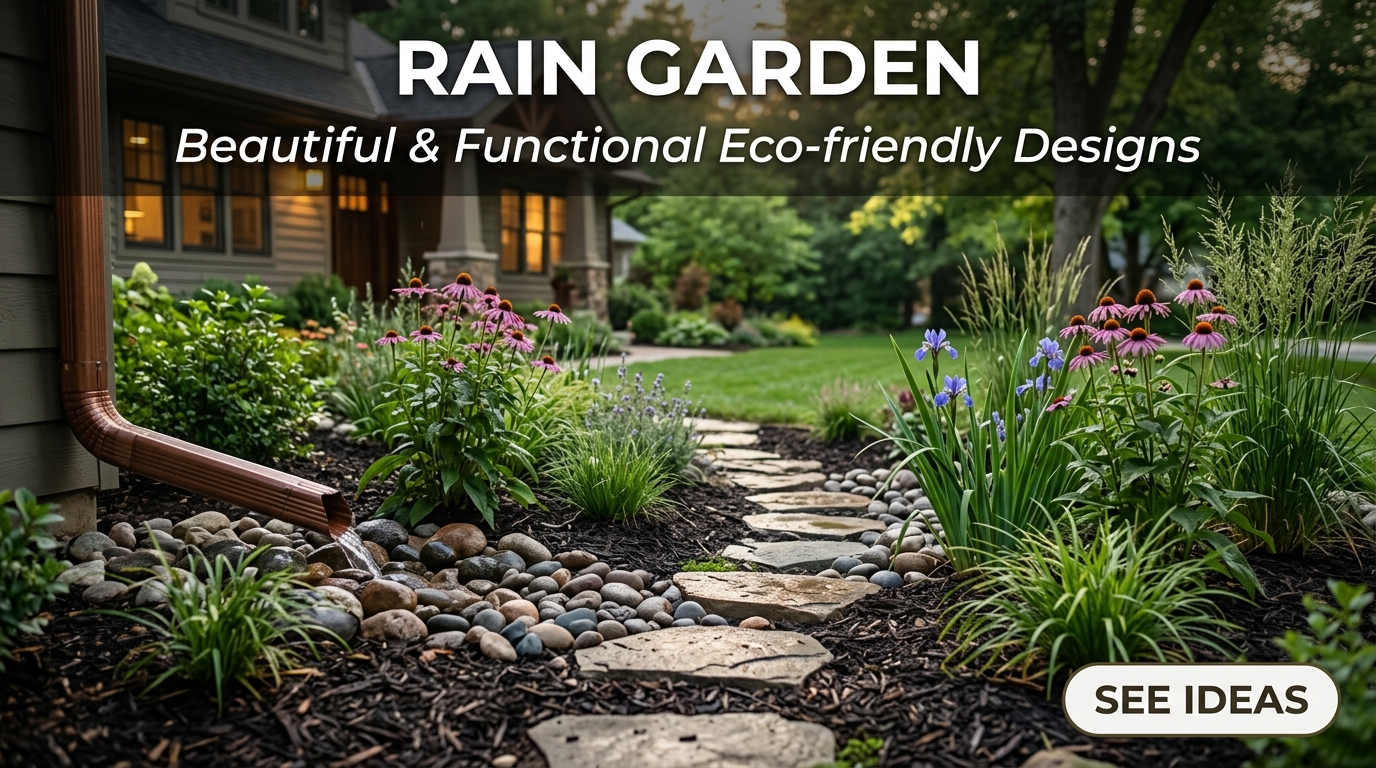
Rain Garden Design: Smart Landscaping Ideas for Managing Stormwater Naturally
A rain garden is one of the most effective and environmentally friendly ways to manage stormwater while creating a beautiful landscape. Designed as a shallow planted depression, a rain garden captures rainwater from roofs, driveways, patios, and sidewalks, allowing it to slowly soak into the soil instead of flowing into storm drains. This natural process helps reduce flooding, prevent soil erosion, filter pollutants, recharge groundwater, and support local wildlife.
Rain gardens are becoming increasingly popular among homeowners because they combine attractive landscaping with sustainable water management. By using native plants, ornamental grasses, shrubs, and flowering perennials, you can create a vibrant garden that thrives with minimal maintenance while improving the health of the environment.
Whether you have a small front yard, a spacious backyard, or a sloped property, a well-designed rain garden can become both a functional drainage solution and a stunning landscape feature.
This comprehensive guide explains everything you need to know about rain garden design, including planning, plant selection, construction, maintenance, and landscaping ideas.
What Is a Rain Garden?
A rain garden is a shallow landscaped basin designed to temporarily collect and absorb rainwater runoff. Unlike a pond, a rain garden is dry most of the time, only holding water for a short period after rainfall before it naturally drains into the soil.
Rain gardens commonly collect runoff from:
- Roof gutters
- Driveways
- Patios
- Walkways
- Lawns
- Parking areas
They reduce pressure on drainage systems while improving water quality.
Benefits of a Rain Garden
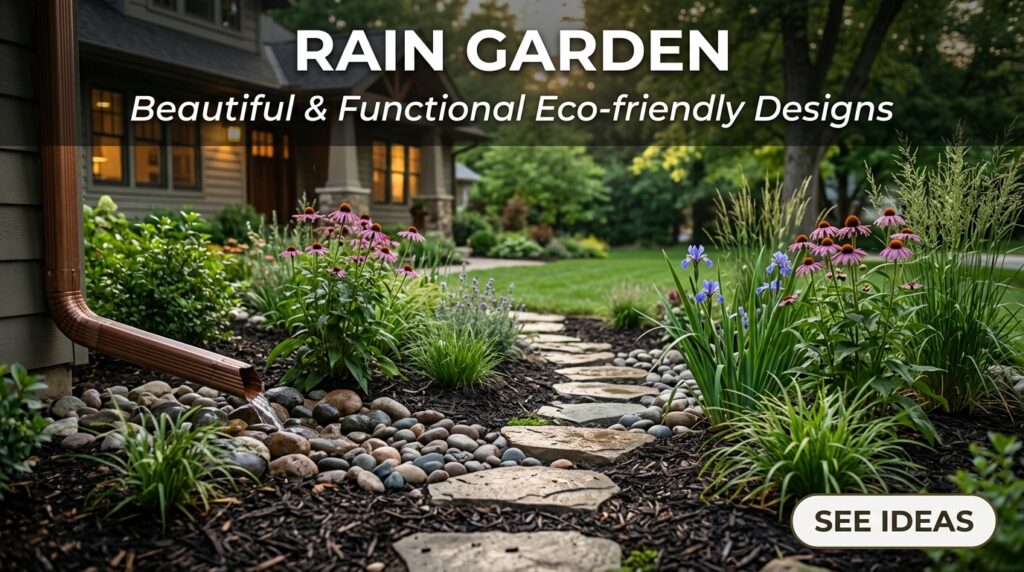
Installing a rain garden provides many environmental and practical benefits.
Advantages include:
- Reduces stormwater runoff
- Prevents soil erosion
- Filters pollutants naturally
- Recharges groundwater
- Supports pollinators
- Attracts birds and butterflies
- Improves property appearance
- Requires relatively low maintenance
A rain garden is both functional and visually appealing.
Choosing the Right Location
Proper placement is essential for success.
Select a location that:
- Receives runoff naturally
- Is at least 10 feet from your home’s foundation
- Has well-draining soil
- Receives adequate sunlight
- Is not directly above underground utilities
- Avoids septic systems
Observe your yard during heavy rain to identify areas where water naturally flows.
Understanding Drainage
Good drainage allows the rain garden to function properly.
A successful rain garden should:
- Hold water temporarily
- Drain within 24 to 48 hours
- Avoid standing water for long periods
- Prevent mosquito breeding
If drainage is poor, improve the soil with compost and sand where appropriate.
Planning the Garden Size
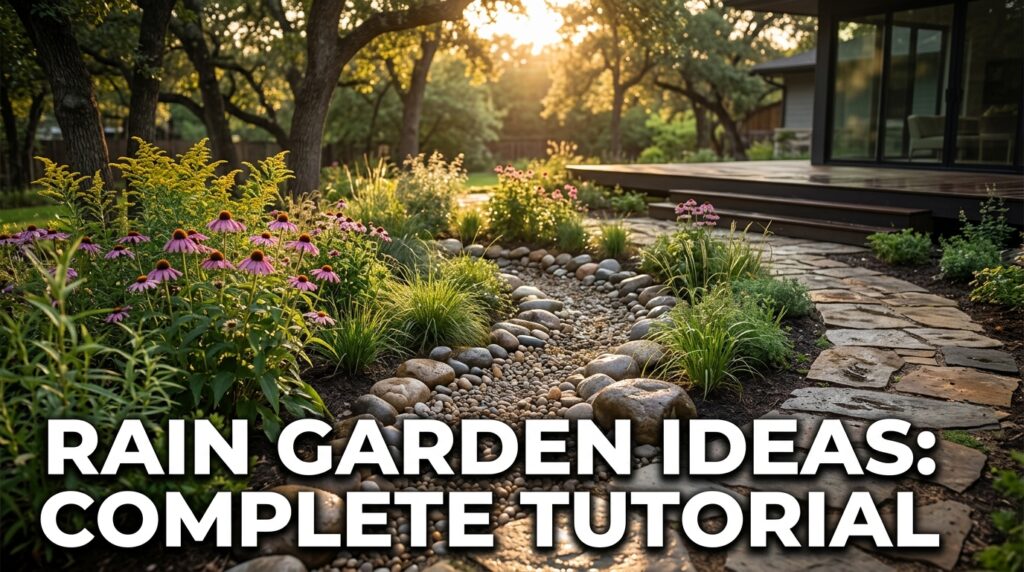
The size of your rain garden depends on:
- Roof area
- Slope
- Soil type
- Amount of runoff
- Available yard space
Even a small rain garden can significantly reduce runoff.
Designing the Shape
Natural, curved designs usually blend better with the landscape.
Popular shapes include:
- Oval
- Kidney-shaped
- Crescent
- Free-form
- Circular
Avoid rigid geometric shapes unless they complement a formal landscape.
Soil Preparation
Healthy soil allows water to infiltrate efficiently.
Improve the planting area with:
- Compost
- Organic matter
- Sandy loam
- Leaf mold
Avoid compacted soil that slows water absorption.
Layers of a Rain Garden
A typical rain garden includes:
- Mulch layer
- Planting soil
- Root zone
- Drainage layer
- Natural subsoil
These layers work together to filter and absorb stormwater.
Best Plants for Rain Gardens
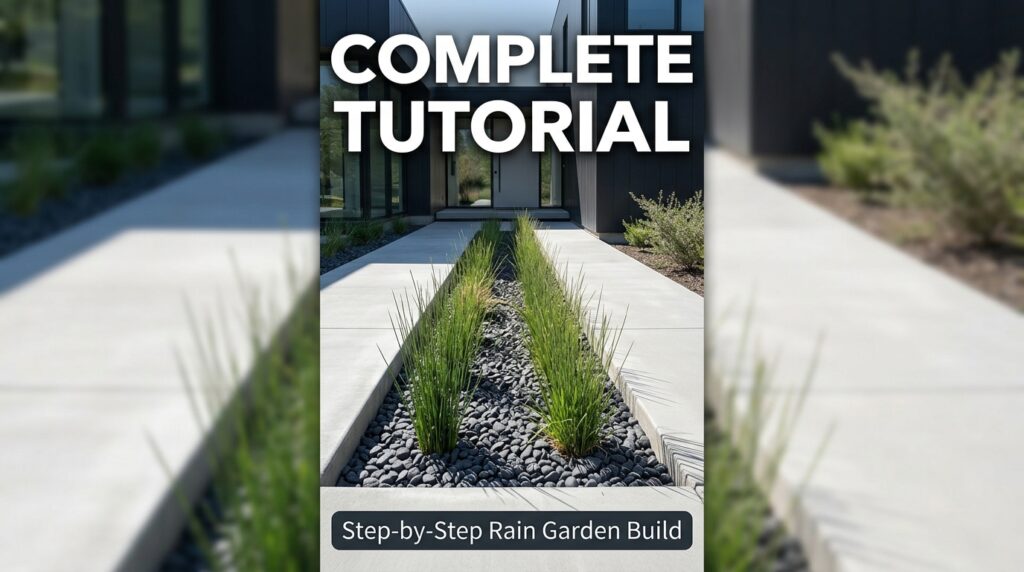
Choose plants that tolerate both wet and dry conditions.
Excellent options include:
- Black-Eyed Susan
- Purple Coneflower
- Blue Flag Iris
- Joe-Pye Weed
- Swamp Milkweed
- Cardinal Flower
- Switchgrass
- Little Bluestem
- Sedge
- Bee Balm
Native plants are usually the best choice because they adapt well to local climates.
Ornamental Grasses
Grasses provide texture and help stabilize soil.
Popular choices include:
- Switchgrass
- Fountain Grass
- Little Bluestem
- Prairie Dropseed
- Sedge
Their deep root systems improve water infiltration.
Shrubs for Rain Gardens
Shrubs add year-round structure.
Suitable varieties include:
- Red Twig Dogwood
- Buttonbush
- Winterberry Holly
- Summersweet
- Ninebark
Plant shrubs around the edges for balance and visual interest.
Trees for Rain Gardens
Some small trees work well in larger rain gardens.
Examples include:
- River Birch
- Red Maple
- Serviceberry
- Bald Cypress
- Sweetbay Magnolia
Always consider the mature size before planting.
Mulching
Mulch protects soil and improves water retention.
Use:
- Shredded hardwood mulch
- Pine bark mulch
- Leaf mulch
Avoid floating mulch that can wash away during heavy rainfall.
Rain Garden Pathways
Create accessible walkways using:
- Gravel
- Stepping stones
- Natural stone
- Brick pavers
Curved paths enhance the natural appearance.
Decorative Features
Add personality with:
- Garden benches
- Bird baths
- Decorative rocks
- Driftwood
- Garden sculptures
- Native boulders
Decorations should complement rather than overwhelm the planting.
Pollinator-Friendly Design
Rain gardens naturally attract beneficial insects.
Plant:
- Bee Balm
- Milkweed
- Coneflowers
- Goldenrod
- Asters
- Blazing Star
These flowers provide nectar throughout the growing season.
Wildlife Habitat
Rain gardens support biodiversity by attracting:
- Bees
- Butterflies
- Birds
- Dragonflies
- Beneficial insects
Native plants provide food and shelter for local wildlife.
Front Yard Rain Garden
A front yard rain garden creates attractive curb appeal.
Include:
- Colorful flowers
- Decorative edging
- Native grasses
- Stone pathways
- Small shrubs
Blend the design with the rest of your landscape.
Backyard Rain Garden
Larger backyard rain gardens may include:
- Seating areas
- Larger shrubs
- Small trees
- Wildlife habitat
- Curved pathways
Backyard designs often offer more flexibility.
Low-Maintenance Rain Garden
Reduce maintenance by:
- Using native plants
- Applying mulch
- Choosing drought-tolerant species
- Avoiding invasive plants
Established rain gardens require little watering beyond natural rainfall.
Sustainable Landscaping
Rain gardens contribute to sustainable landscapes by:
- Conserving water
- Filtering runoff
- Reducing flooding
- Supporting wildlife
- Improving soil health
They are an excellent addition to eco-friendly homes.
Seasonal Care
Spring
- Remove debris
- Add fresh mulch
- Divide perennials
- Inspect drainage
Summer
- Water new plants if necessary
- Remove weeds
- Monitor plant health
Autumn
- Cut back dead stems
- Add compost
- Plant additional natives
Winter
- Leave seed heads for birds
- Inspect erosion
- Plan future improvements
Seasonal maintenance keeps the garden functioning properly.
Common Design Mistakes
Avoid these common errors:
- Choosing the wrong location
- Poor drainage
- Using invasive plants
- Planting too densely
- Ignoring soil preparation
- Making the basin too shallow
Careful planning prevents future problems.
Maintenance Tips
Keep your rain garden healthy by:
- Removing weeds regularly
- Refreshing mulch
- Cleaning inflow areas
- Replacing damaged plants
- Monitoring erosion
- Checking drainage after storms
Most maintenance decreases as plants mature.
Frequently Asked Questions
What is the purpose of a rain garden?
A rain garden captures and filters stormwater runoff, reducing flooding, improving water quality, and supporting wildlife while creating an attractive landscape.
Do rain gardens hold water all the time?
No. A properly designed rain garden drains within 24 to 48 hours after rainfall and remains dry most of the time.
What plants work best in a rain garden?
Native flowers, ornamental grasses, sedges, shrubs, and moisture-tolerant perennials are ideal because they can handle both wet and dry conditions.
Can I build a rain garden in a small yard?
Yes. Even compact rain gardens can effectively manage runoff from rooftops, patios, or driveways while adding beauty to small landscapes.
Are rain gardens difficult to maintain?
No. Once established, rain gardens generally require only seasonal weeding, mulching, pruning, and occasional plant replacement.
Conclusion
A rain garden is a smart and sustainable landscaping solution that combines environmental benefits with outstanding visual appeal. By capturing stormwater, reducing runoff, filtering pollutants, and supporting pollinators, a rain garden helps protect natural resources while enhancing your outdoor space.
Whether you are designing a small residential landscape or a larger backyard retreat, thoughtful planning, proper soil preparation, and carefully selected native plants will ensure long-term success. With minimal maintenance and year-round beauty, a well-designed rain garden becomes a valuable feature that benefits both your property and the environment for many years.