
 By John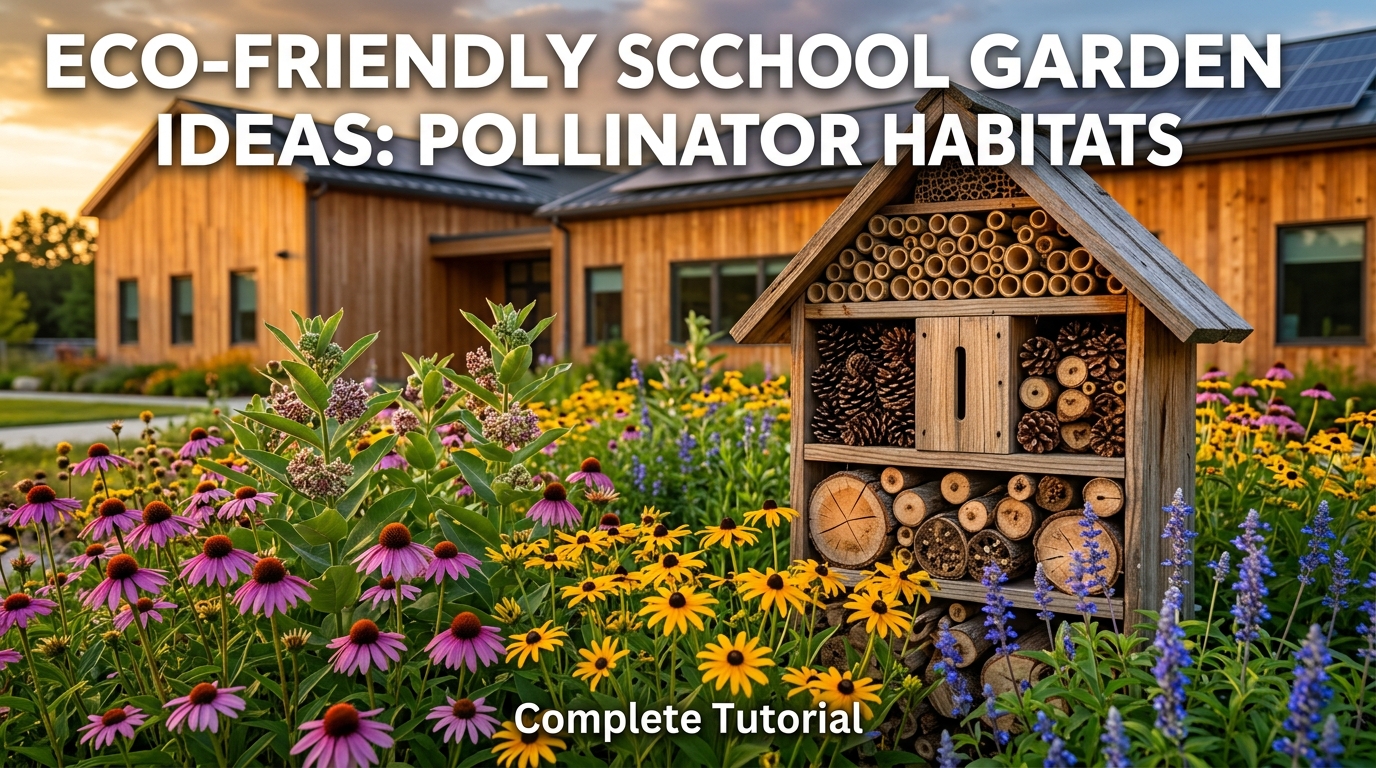
A school garden is much more than a place to grow flowers and vegetables—it is a living classroom where students can explore science, nature, nutrition, sustainability, and creativity through hands-on learning. Whether you’re designing a small courtyard garden, a raised bed vegetable garden, or a large outdoor learning space, a well-planned school garden encourages curiosity, teamwork, and environmental responsibility while creating a beautiful space that benefits the entire school community.
School gardens provide opportunities for students of all ages to develop practical gardening skills, understand ecosystems, learn healthy eating habits, and connect with nature. From growing vegetables for the cafeteria to creating butterfly habitats and sensory gardens, every garden project can support classroom lessons while making learning fun and memorable.
This complete guide covers everything you need to know about planning, designing, building, and maintaining a successful school garden.
Why Create a School Garden?
School gardens offer educational, environmental, and social benefits that extend beyond the classroom.
Benefits include:
- Encourages hands-on learning
- Supports science education
- Promotes healthy eating habits
- Teaches environmental responsibility
- Develops teamwork and leadership skills
- Encourages physical activity
- Supports mental well-being
- Attracts birds and pollinators
- Beautifies school grounds
- Builds community involvement
A school garden becomes an engaging outdoor classroom that students can enjoy throughout the year.
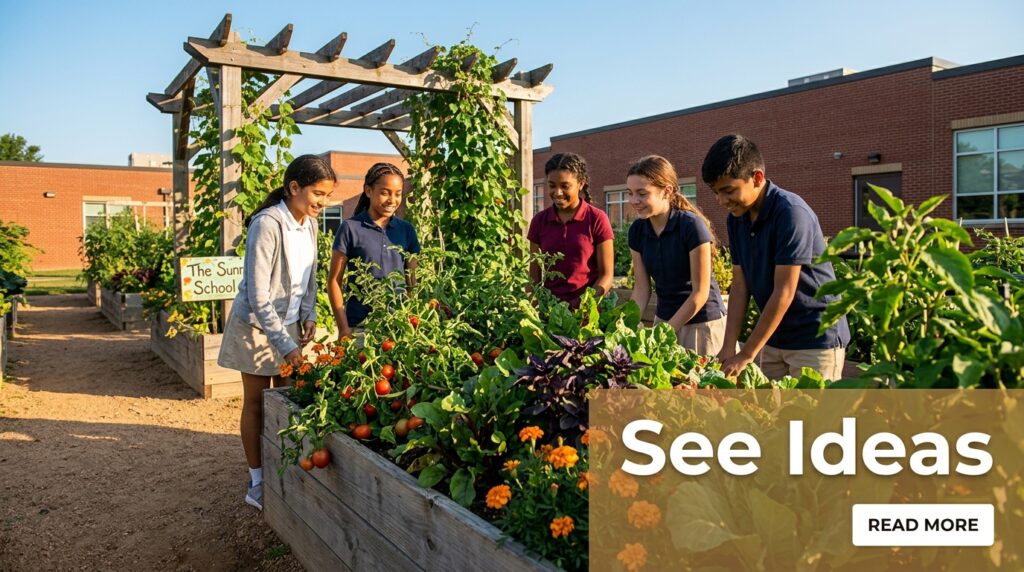
Choose the Best Location
Selecting the right site is the first step to success.
Look for an area with:
- Six to eight hours of sunlight
- Easy access to water
- Good drainage
- Safe pathways
- Visibility from classrooms
- Room for future expansion
Avoid areas prone to flooding or heavy shade.
Plan the Garden Layout
A clear layout makes the garden organized and easy to maintain.
Include space for:
- Raised beds
- Walking paths
- Compost area
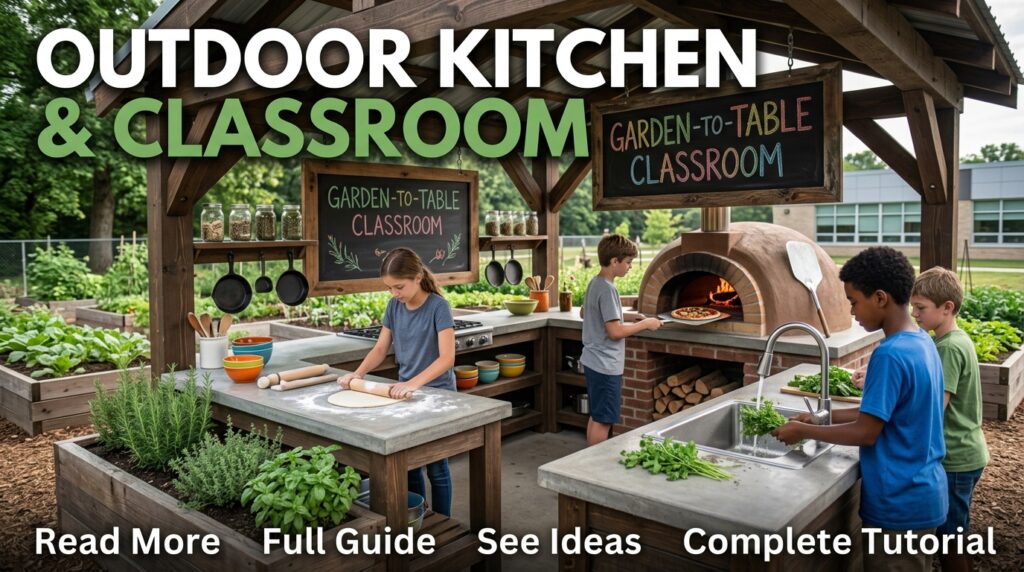
- Outdoor classroom
- Pollinator garden
- Herb garden
- Tool storage
- Seating area
Wide paths allow students and teachers to move safely around the garden.
Build Raised Garden Beds
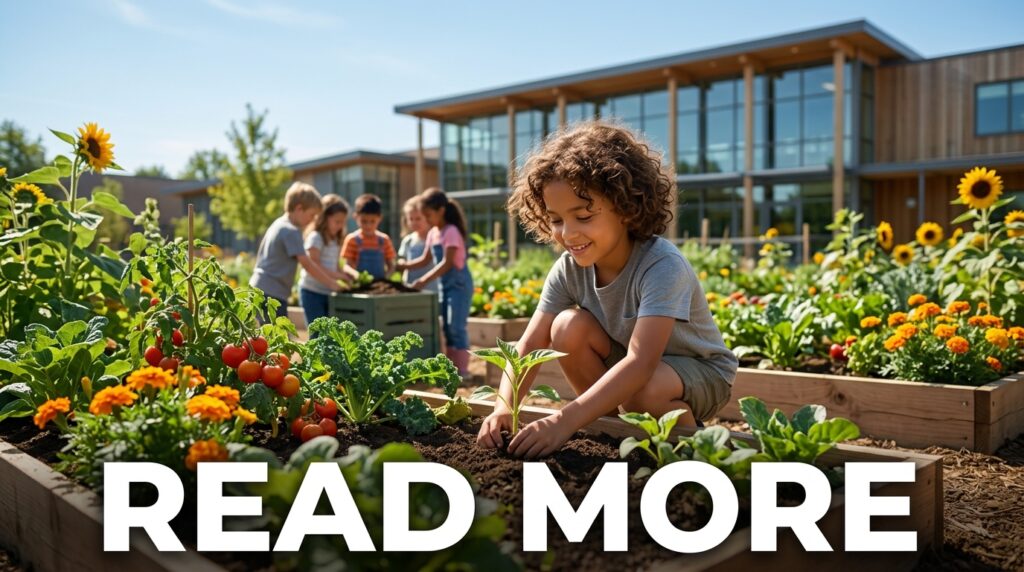
Raised beds are ideal for schools because they are easy to access and maintain.
Benefits include:
- Better soil quality
- Improved drainage
- Reduced weeds
- Easier harvesting
- Clear planting areas
Wood, galvanized steel, brick, or recycled plastic boards all make durable raised beds.
Grow Easy Vegetables
Choose vegetables that are simple to grow and quick to harvest.
Great options include:
- Lettuce
- Spinach
- Carrots
- Radishes
- Green beans
- Peas
- Tomatoes
- Cucumbers
- Peppers
- Zucchini
Fast-growing crops help keep students engaged throughout the season.
Plant a School Herb Garden
Herbs are easy to grow and provide wonderful learning opportunities.
Popular herbs include:
- Basil
- Parsley
- Chives
- Mint
- Oregano
- Rosemary
- Thyme
- Sage
Students can learn about plant care, cooking, and the different scents and textures of herbs.
Create a Pollinator Garden
Pollinator gardens support local ecosystems and teach students about biodiversity.
Plant flowers such as:
- Sunflowers
- Coneflowers
- Lavender
- Marigolds
- Zinnias
- Cosmos
- Bee balm
- Black-eyed Susans
These flowers attract bees, butterflies, and other beneficial insects.
Design a Butterfly Garden
Butterfly gardens combine beauty with education.
Include nectar-rich flowers and host plants such as:
- Milkweed
- Butterfly bush
- Verbena
- Asters
- Lantana
- Joe-Pye weed
Add informational signs to teach students about butterfly life cycles.
Add a Sensory Garden
Sensory gardens engage students through sight, smell, touch, and sound.
Include plants such as:
- Lavender
- Lamb’s ear
- Ornamental grasses
- Mint
- Lemon balm
- Rosemary
Incorporate textured pathways, wind chimes, and colorful flowers for a rich sensory experience.
Build a Compost Station
Composting teaches sustainability while reducing waste.
Students can compost:
- Fruit scraps
- Vegetable peels
- Leaves
- Grass clippings
- Coffee grounds
Avoid adding meat, dairy, or oily foods.
Finished compost enriches garden soil naturally.
Install Outdoor Seating
Comfortable seating turns the garden into an outdoor classroom.
Ideas include:
- Wooden benches
- Tree stumps
- Picnic tables
- Stone seating circles
Teachers can use the space for reading, science lessons, and group discussions.
Create Nature Discovery Areas
Encourage exploration with dedicated wildlife spaces.
Include:
- Bird feeders
- Bird baths
- Bee hotels
- Bug observation areas
- Native plants
- Rock piles
Students can observe insects, birds, and other wildlife up close.
Add Educational Signage
Signs make the garden interactive and informative.
Ideas include:
- Plant labels
- Pollinator information
- Compost instructions
- Garden rules
- Weather station displays
- Seasonal planting charts
Educational signs reinforce classroom learning.
Grow Fruit Plants
Fruit crops help students learn about food production.
Suitable options include:
- Strawberries
- Blueberries
- Raspberries
- Apple trees
- Pear trees
Choose varieties appropriate for your local climate.
Include Flower Beds
Flowers make the garden colorful while supporting pollinators.
Easy-to-grow flowers include:
- Marigolds
- Nasturtiums
- Calendula
- Sunflowers
- Cosmos
- Zinnias
Bright blooms create an inviting environment for students and visitors.
Install Rainwater Collection
Rain barrels teach water conservation.
Benefits include:
- Reduces water waste
- Saves money
- Demonstrates sustainable practices
- Provides irrigation during dry periods
Students can learn about the water cycle through practical experience.
Create Seasonal Learning Areas
Keep the garden interesting throughout the year.
Spring
- Plant cool-season vegetables
- Observe germination
- Study pollinators
Summer
- Harvest vegetables
- Monitor insects
- Learn about plant growth
Autumn
- Collect seeds
- Plant spring bulbs
- Compost fallen leaves
Winter
- Plan next year’s garden
- Build bird feeders
- Study evergreen plants
Seasonal activities keep students engaged year-round.
Encourage Student Participation
Involve students in every stage of the project.
Tasks include:
- Planting seeds
- Watering
- Weeding
- Harvesting
- Composting
- Recording observations
Hands-on participation builds responsibility and confidence.
Involve the Community
A successful school garden often includes community support.
Invite:
- Parents
- Local gardeners
- Community volunteers
- Garden clubs
- Local businesses
Community involvement strengthens the project and provides valuable resources.
Budget-Friendly School Garden Ideas
Create an engaging garden without overspending.
Affordable ideas include:
- Build raised beds from reclaimed wood
- Start plants from seed
- Use recycled containers
- Make homemade compost
- Collect rainwater
- Request plant donations
- Organize fundraising events
Small projects can grow into larger gardens over time.
Common Mistakes to Avoid
Avoid these common planning mistakes:
- Choosing plants that are difficult to maintain
- Ignoring sunlight requirements
- Overcrowding planting beds
- Forgetting irrigation
- Lacking student involvement
- Skipping seasonal maintenance
Good planning ensures the garden remains successful for years.
Final Thoughts
A school garden is a valuable investment that transforms outdoor space into a dynamic learning environment where students can explore science, nutrition, sustainability, and nature through hands-on experiences. By combining raised vegetable beds, pollinator-friendly flowers, herb gardens, composting areas, outdoor classrooms, and wildlife habitats, schools can create inspiring spaces that support both education and community engagement.
The most successful school gardens are thoughtfully planned, easy to maintain, and designed with student participation in mind. Providing opportunities to plant, care for, and harvest crops helps children develop practical life skills while fostering curiosity, responsibility, and environmental awareness.
Whether you’re starting with a few raised beds or developing a large educational landscape, a well-designed school garden can become a lasting resource that enriches learning, encourages healthy habits, and creates meaningful connections between students, teachers, families, and the natural world for many years to come.