 By John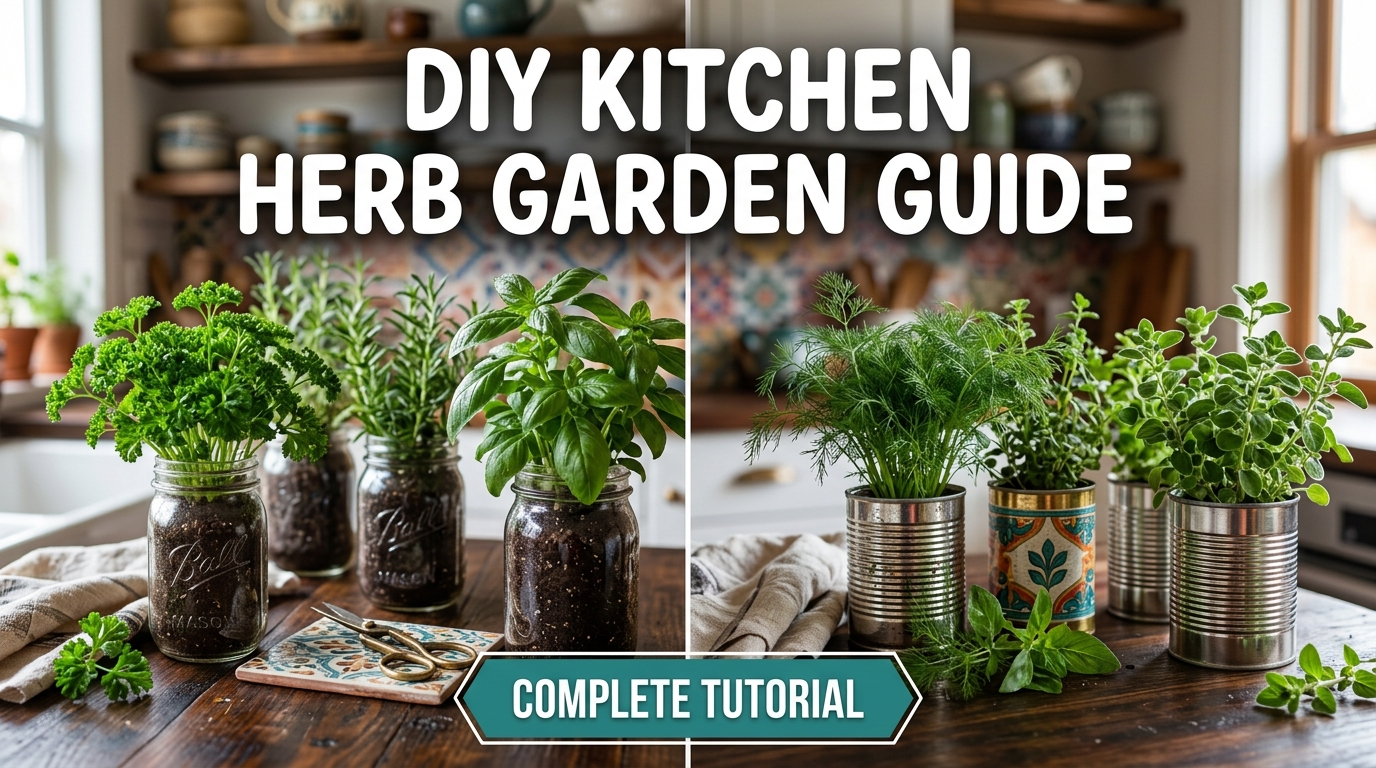
A kitchen herb garden is one of the easiest and most rewarding ways to bring fresh flavor, fragrance, and greenery into your home. Whether you have a sunny windowsill, a small balcony, a patio, or a spacious backyard, growing your own herbs provides a constant supply of fresh ingredients for cooking while adding natural beauty to your living space. From basil for homemade pasta to rosemary for roasted vegetables and mint for refreshing drinks, a well-planned herb garden makes everyday meals more delicious and enjoyable.
Kitchen herbs are generally easy to grow, require relatively little space, and can thrive in containers, raised beds, hanging planters, or traditional garden plots. Many herbs also attract pollinators, release pleasant aromas, and offer ornamental value, making them a practical and attractive addition to any home.
This complete guide covers everything you need to know about planning, planting, growing, and maintaining a productive kitchen herb garden.
Why Grow a Kitchen Herb Garden?
Growing herbs at home offers many practical benefits.
Advantages include:
- Fresh herbs available year-round
- Lower grocery costs
- Better flavor than dried herbs
- Easy access while cooking
- Attractive indoor and outdoor greenery
- Pleasant natural fragrance
- Pollinator-friendly flowers
- Beginner-friendly gardening project
Even a few pots of herbs can transform your cooking routine.
Choose the Best Location
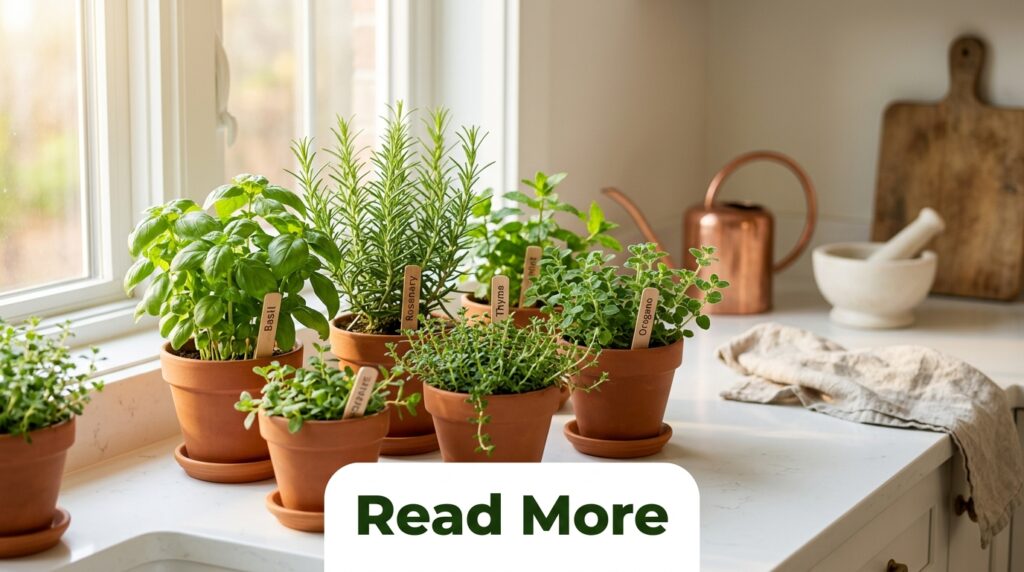
Most culinary herbs thrive in bright conditions.
Look for a location with:
- Six to eight hours of sunlight
- Good air circulation
- Easy access for watering
- Convenient location near the kitchen
- Well-drained soil or containers
Sunny windowsills, patios, balconies, and raised beds are all excellent choices.
Select the Right Containers
If you’re growing herbs in pots, choose containers with drainage holes.
Popular options include:
- Terracotta pots
- Ceramic planters
- Wooden planter boxes
- Metal containers with liners
- Hanging baskets
- Window boxes
- Self-watering planters
Larger containers hold moisture better and allow roots more room to grow.
Prepare Healthy Soil
Herbs grow best in loose, well-draining soil.
A good mix includes:
- Quality potting soil
- Compost
- Perlite or coarse sand
- Organic matter
Avoid heavy clay soils that retain too much water.
Best Herbs for a Kitchen Garden
Many herbs are easy to grow and useful in everyday cooking.
Popular choices include:
- Basil
- Parsley
- Cilantro
- Chives
- Thyme
- Rosemary
- Sage
- Oregano
- Mint
- Dill
- Tarragon
- Lemon balm
Start with herbs you use most often in your favorite recipes.
Grow Basil
Basil is one of the most popular kitchen herbs.
Growing tips:
- Plant in full sun
- Keep soil consistently moist
- Pinch flower buds regularly
- Harvest leaves often
Regular harvesting encourages bushier growth.
Grow Rosemary

Rosemary is a hardy perennial in many climates.
It prefers:
- Plenty of sunlight
- Well-drained soil
- Moderate watering
- Good air circulation
Avoid overwatering, as rosemary dislikes soggy roots.
Grow Mint
Mint grows vigorously and spreads quickly.
For best results:
- Grow in its own container
- Keep soil moist
- Harvest regularly
- Provide partial to full sun
Container growing helps prevent mint from taking over the garden.
Grow Parsley
Parsley is a versatile herb suitable for many dishes.
Growing tips:
- Provide full or partial sun
- Water consistently
- Harvest outer stems first
- Feed lightly during the growing season
Parsley grows well in both containers and garden beds.
Grow Thyme
Thyme is a compact herb perfect for small spaces.
It thrives in:
- Full sun
- Sandy, well-drained soil
- Moderate watering
Allow the soil to dry slightly between waterings.
Companion Planting
Many herbs grow well together.
Good combinations include:
- Basil with parsley
- Rosemary with thyme
- Sage with oregano
- Chives with parsley
Avoid planting mint with other herbs unless it is contained in a separate pot.
Water Properly
Most herbs prefer consistent but not excessive watering.
Best practices include:
- Water when the top inch of soil feels dry
- Water early in the day
- Avoid soaking leaves in the evening
- Ensure containers drain freely
Different herbs have different moisture needs, so monitor each plant individually.
Fertilize Sparingly
Herbs usually require only light feeding.
Use:
- Compost
- Organic liquid fertilizer
- Slow-release organic fertilizer
Too much fertilizer can reduce the flavor and aroma of herbs.
Harvest Regularly
Frequent harvesting encourages healthy growth.
Tips include:
- Harvest in the morning
- Cut above a leaf node
- Never remove more than one-third of the plant at once
- Use clean scissors or pruning snips
Regular trimming keeps plants productive and compact.
Dry and Preserve Herbs
Enjoy your harvest long after the growing season.
Preservation methods include:
- Air drying
- Freezing
- Herb-infused oils
- Herb butter
- Homemade seasoning blends
Store dried herbs in airtight containers away from direct sunlight.
Create a Vertical Herb Garden
If space is limited, grow herbs vertically.
Ideas include:
- Wall-mounted planters
- Hanging baskets
- Tiered plant stands
- Pocket planters
- Ladder shelves
Vertical gardens maximize growing space while adding decorative appeal.
Indoor Herb Garden Tips
Growing herbs indoors is simple with the right conditions.
Provide:
- Bright sunlight
- Good drainage
- Moderate humidity
- Regular pruning
- Occasional rotation for even growth
Supplement with grow lights if natural sunlight is limited.
Pest Control
Keep herbs healthy using natural methods.
Watch for:
- Aphids
- Spider mites
- Whiteflies
- Fungus gnats
Control pests by:
- Rinsing leaves with water
- Encouraging beneficial insects outdoors
- Removing damaged foliage
- Avoiding overwatering
Healthy plants are less susceptible to pest problems.
Seasonal Herb Care
Spring
- Plant new herbs
- Refresh soil
- Fertilize lightly
Summer
- Harvest frequently
- Water regularly
- Remove flower buds on leafy herbs
Autumn
- Dry excess herbs
- Bring tender herbs indoors
- Divide perennial herbs if needed
Winter
- Reduce watering
- Provide extra light indoors
- Harvest sparingly
Proper seasonal care keeps herbs productive throughout the year.
Budget-Friendly Kitchen Herb Garden Ideas
Create a thriving herb garden without spending much.
Affordable ideas include:
- Grow herbs from seed
- Propagate cuttings from existing plants
- Reuse containers
- Make homemade compost
- Exchange plants with friends
- Repurpose wooden crates as planters
Small investments can produce fresh herbs for years.
Common Mistakes to Avoid
Avoid these common beginner mistakes:
- Overwatering herbs
- Using containers without drainage
- Growing herbs in too much shade
- Harvesting too aggressively
- Planting invasive herbs together
- Overfertilizing
Simple care routines lead to healthier, more flavorful plants.
Final Thoughts
A kitchen herb garden is a practical, beautiful, and rewarding addition to any home, providing fresh ingredients just steps away from your cooking space. Whether you grow herbs on a sunny windowsill, a balcony, a patio, or in a backyard garden, even a small collection of plants can enhance your meals, brighten your home, and make gardening more enjoyable.
By choosing herbs you use regularly, providing plenty of sunlight, using well-draining soil, and harvesting frequently, you can enjoy a continuous supply of flavorful herbs throughout much of the year. Vertical planters, container gardens, and raised beds make herb gardening accessible for homes of every size.
With a little care and consistent maintenance, your kitchen herb garden will become an attractive and productive space that supplies fresh flavors, delightful aromas, and the satisfaction of growing your own ingredients season after season.