
 By John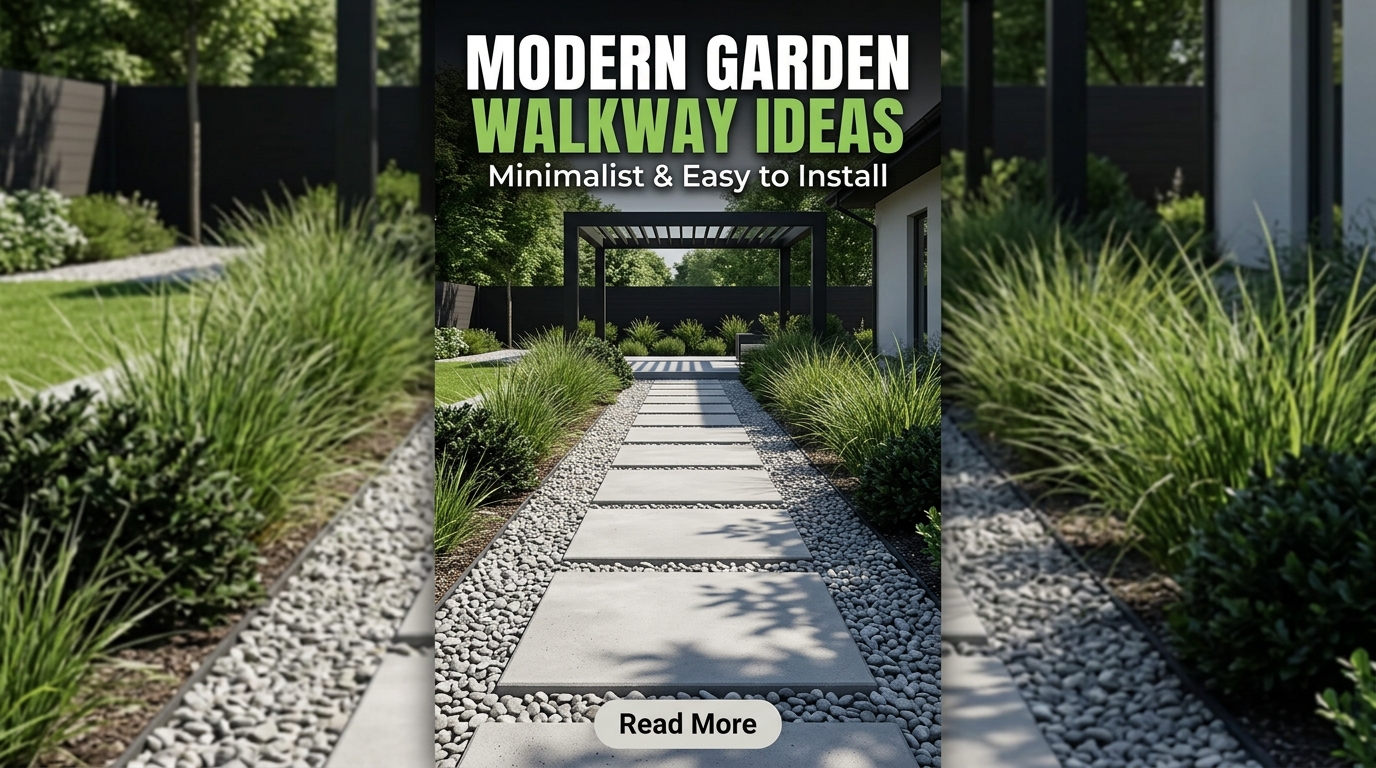
A well-designed garden walkway does much more than connect different areas of your landscape—it adds structure, guides visitors through the garden, and enhances the overall beauty of your outdoor space. Whether you’re creating a charming cottage garden, a modern backyard, a peaceful woodland retreat, or a productive vegetable garden, the right walkway can transform the look and functionality of your landscape.
Garden walkways can be simple gravel paths, elegant natural stone trails, classic brick walkways, or contemporary concrete pavers. The best design balances style, durability, and practicality while complementing your home’s architecture and surrounding plants. With thoughtful planning, attractive materials, and carefully chosen borders, a garden path becomes a welcoming feature that encourages exploration and creates a seamless flow throughout the landscape.
This complete guide explores the best garden walkway ideas, materials, design tips, installation advice, and maintenance practices to help you create a path that is both beautiful and long-lasting.
Why Add a Garden Walkway?
A walkway provides both practical and decorative benefits.
Advantages include:
- Improves accessibility
- Protects lawns and planting beds
- Creates visual structure
- Enhances curb appeal
- Connects outdoor living areas
- Improves drainage
- Adds value to your property
- Encourages visitors to explore the garden
A thoughtfully designed path becomes an essential feature of any landscape.
Plan Your Walkway
Before selecting materials, consider how the path will be used.
Think about:
- Destination of the walkway
- Width of the path
- Sunlight and shade
- Drainage
- Existing trees and plants
- Overall garden style
- Budget
A clear plan helps create a walkway that is both attractive and functional.
Choose the Right Width
The width of your walkway depends on its purpose.
General recommendations:
- 2–3 feet for secondary garden paths
- 4–5 feet for main walkways
- Wider paths for wheelbarrows or frequent traffic
Comfortable spacing makes the path easier to use.
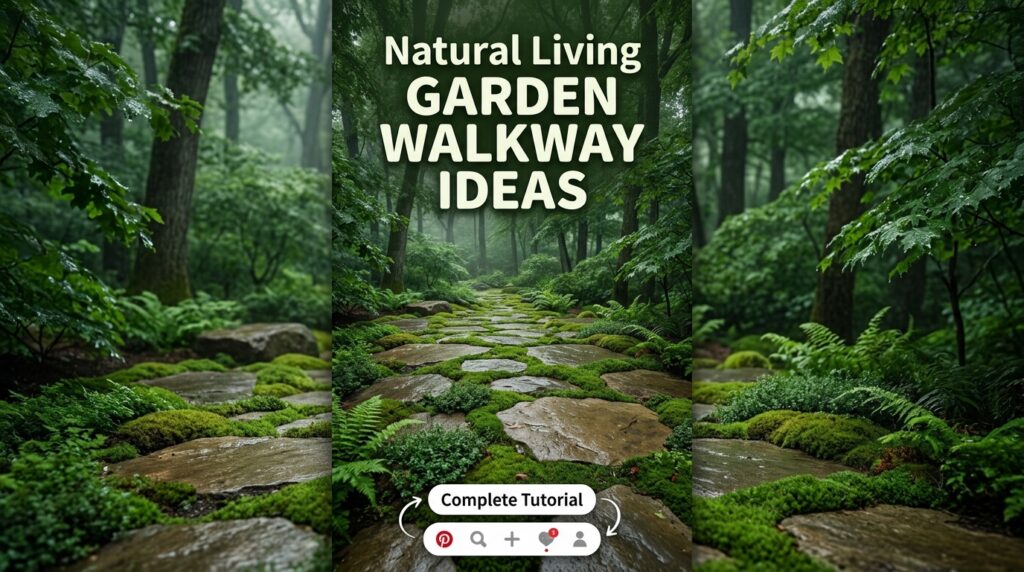
Natural Stone Walkways
Natural stone creates a timeless and elegant appearance.
Popular stone options include:
- Flagstone
- Bluestone
- Slate
- Limestone
- Sandstone
Natural stone blends beautifully with flowers, shrubs, and mature trees.
Brick Garden Paths
Brick walkways offer classic charm.
Benefits include:
- Durable construction
- Traditional appearance
- Easy repairs
- Attractive aging
Brick works especially well in cottage, colonial, and English-style gardens.
Gravel Walkways
Gravel is one of the most affordable walkway materials.
Advantages include:
- Excellent drainage
- Easy installation
- Low cost
- Natural appearance
Border gravel paths with metal edging, brick, or stone to keep the material in place.
Concrete Paver Walkways
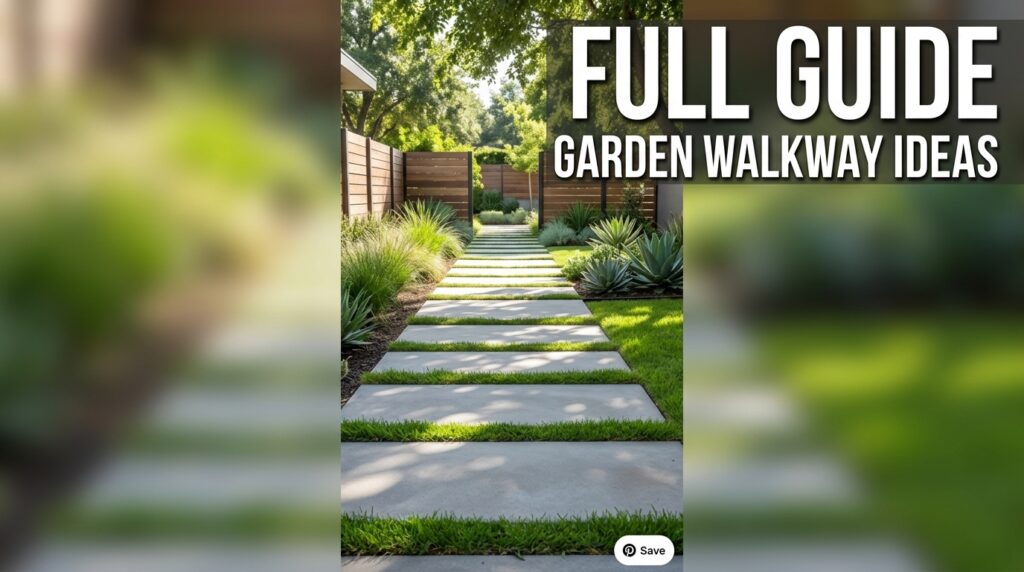
Concrete pavers provide versatility and durability.
Available in:
- Square designs
- Rectangular styles
- Modern geometric patterns
- Textured finishes
Pavers suit both traditional and contemporary landscapes.
Stepping Stone Paths
Stepping stones create a relaxed and informal atmosphere.
Install them through:
- Lawns
- Ground covers
- Gravel
- Mulch
Leave small spaces between stones for creeping plants or decorative gravel.
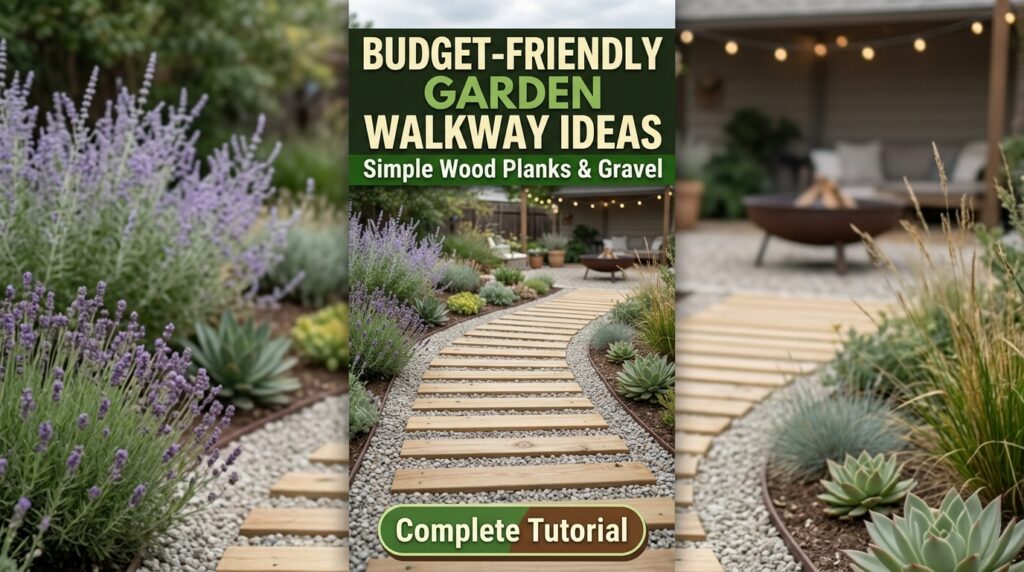
Wooden Garden Walkways
Wood adds warmth and natural beauty.
Ideas include:
- Boardwalks
- Timber pathways
- Deck-style walkways
Pressure-treated wood or naturally rot-resistant timber performs best outdoors.
Curved Walkways
Curved paths encourage exploration and soften the landscape.
Benefits include:
- Creates visual interest
- Makes small gardens appear larger
- Highlights planting beds
- Provides a relaxed appearance
Curves work especially well in cottage and woodland gardens.
Straight Walkways
Straight paths provide a formal and organized look.
They are ideal for:
- Modern gardens
- Formal landscapes
- Front entrances
- Symmetrical layouts
Straight lines create a clean and elegant appearance.
Add Beautiful Borders
Walkway borders define the path and improve durability.
Popular edging materials include:
- Brick
- Steel edging
- Natural stone
- Concrete edging
- Timber
Borders also help prevent gravel and mulch from spreading.