
 By John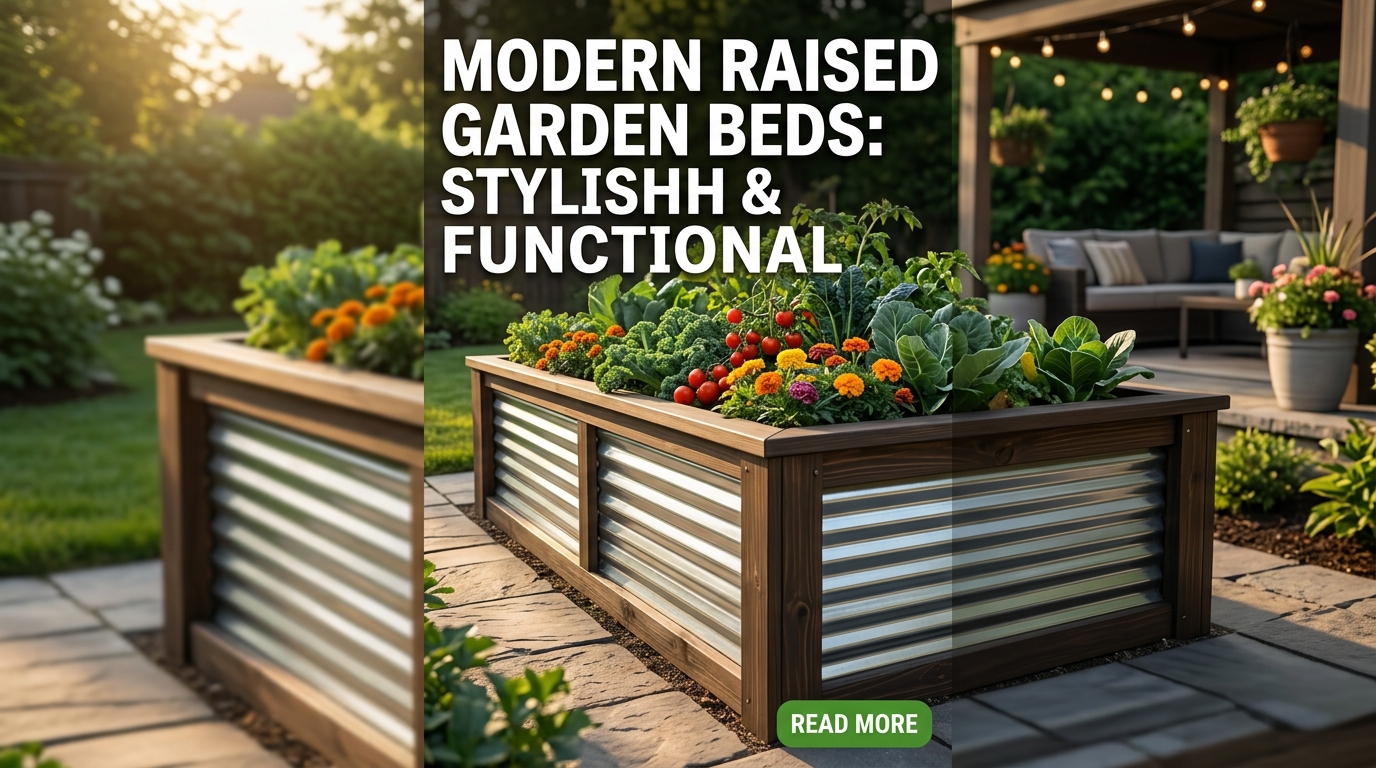
Raised garden beds are one of the most efficient and popular gardening methods for growing vegetables, herbs, and flowers. They are soil-filled planting areas built above ground level, usually enclosed with wood, metal, or stone frames. This structure improves drainage, soil quality, and makes gardening easier and more organized.
Raised beds are perfect for small spaces, backyards, patios, and even rooftop gardens.
What Are Raised Garden Beds?
A raised garden bed is a contained growing space where soil is elevated above the natural ground.
Basic Structure:
- Frame (wood, brick, metal, or composite)
- Soil mix inside
- Drainage layer underneath
- Optional pathways between beds
They allow gardeners full control over soil quality and planting conditions.
Benefits of Raised Garden Beds
Better Soil Quality
You can use nutrient-rich soil instead of poor native soil.
Improved Drainage
Prevents waterlogging and root rot.
Easier Gardening
Reduces bending and strain on the back.
Fewer Weeds
Controlled soil reduces unwanted weed growth.
Higher Plant Growth
Plants grow faster due to improved conditions.
Organized Layout
Makes gardens look clean and structured.
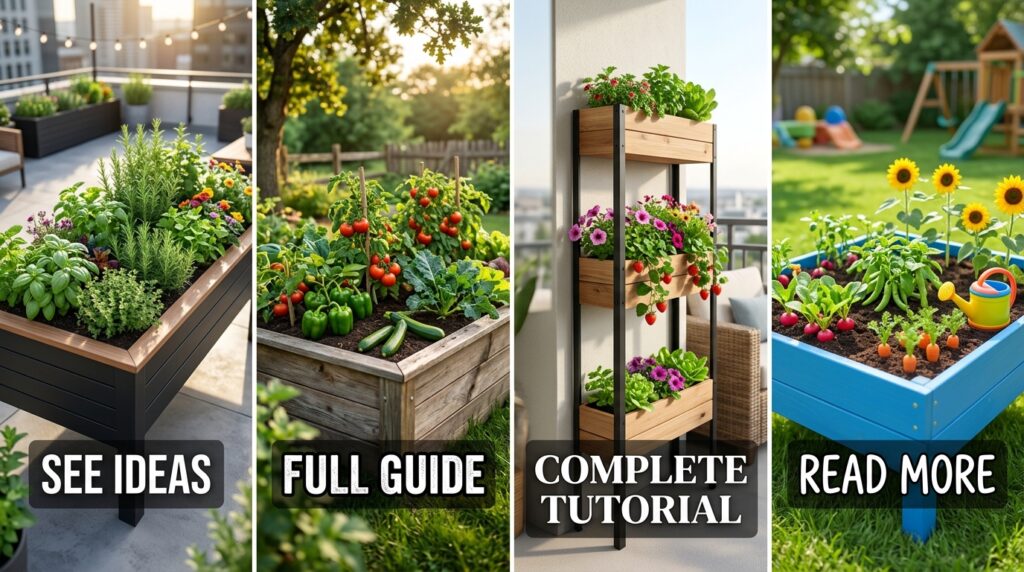
Types of Raised Garden Beds
1. Wooden Raised Beds
Most common and affordable option.
Features:
- Natural appearance
- Easy to build
- Budget-friendly
2. Metal Raised Beds
Modern and long-lasting.
Features:
- Rust-resistant materials
- Sleek design
- Very durable
3. Brick or Stone Raised Beds
Permanent and decorative.
Features:
- Strong structure
- Elegant appearance
- Excellent heat retention
4. Plastic or Composite Beds
Lightweight and low maintenance.
Features:
- Easy to move
- Weather resistant
- Long lifespan
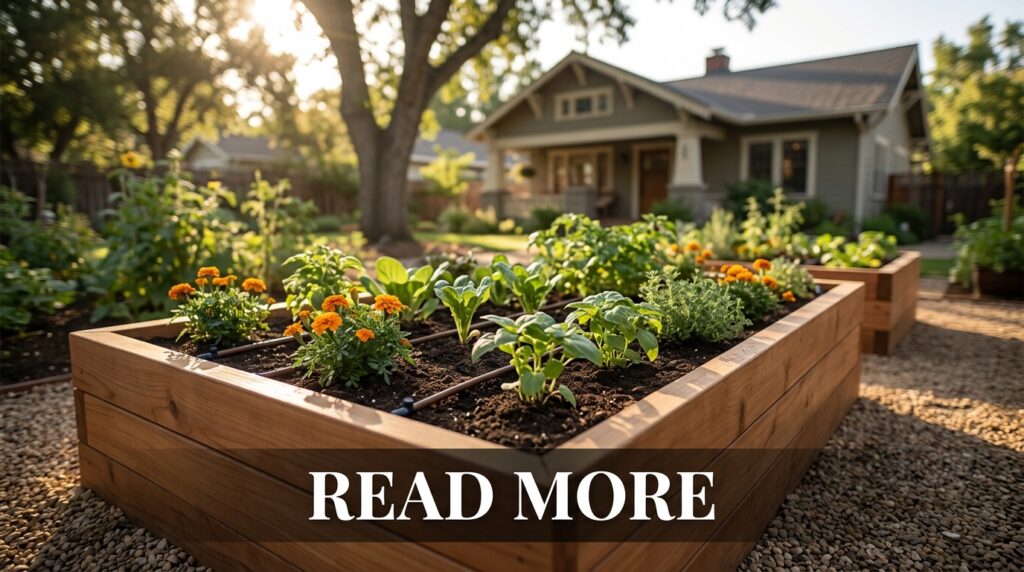
Raised Garden Bed Layout Ideas
1. Parallel Row Layout
Multiple beds arranged in straight rows.
Best for:
- Vegetable farming
- Large gardens
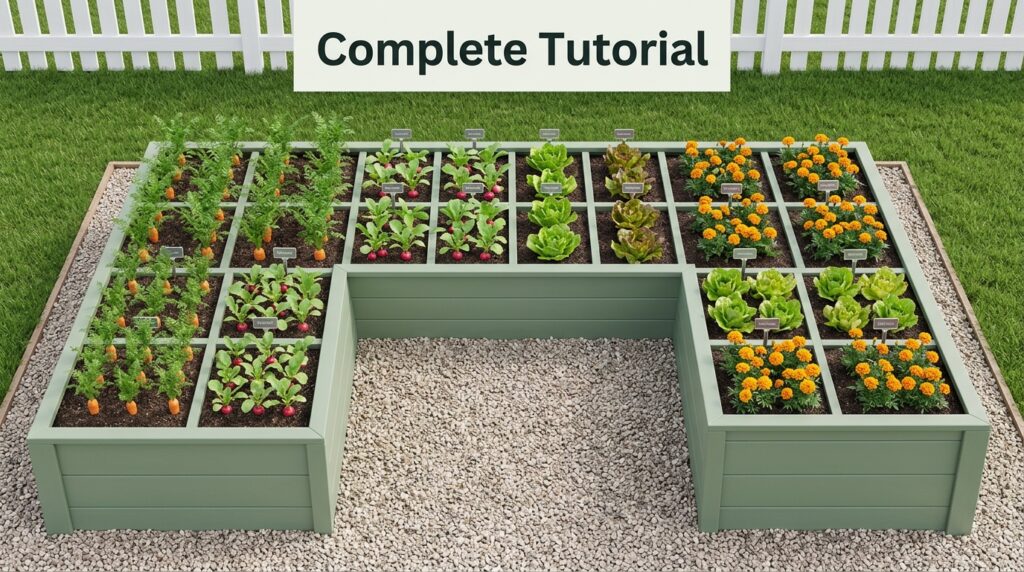
2. Grid Layout (Square Pattern)
Beds arranged in a checkerboard style.
Best for:
- Small gardens
- Organized planting
3. Perimeter Layout
Beds placed around the edges of the garden.
Best for:
- Open central lawn spaces
- Family gardens
4. Central Path Layout
Paths between beds for easy access.
Best for:
- Intensive gardening
- Easy maintenance
Best Plants for Raised Garden Beds
Vegetables:
- Tomatoes
- Carrots
- Lettuce
- Spinach
- Peppers
Herbs:
- Basil
- Mint
- Rosemary
- Thyme
- Parsley
Flowers:
- Marigolds
- Lavender
- Zinnias
- Petunias
Soil Mix for Raised Garden Beds
A good soil mix is essential for healthy plant growth.
Recommended Mix:
- 40% topsoil
- 40% compost
- 20% organic matter (peat moss or coco coir)
This combination ensures nutrients, moisture retention, and proper drainage.
Design Ideas for Raised Garden Beds
Modern Raised Bed Design
- Clean lines
- Symmetrical layout
- Metal or concrete frames
Cottage Style Raised Beds
- Wooden frames
- Mixed flowers and herbs
- Soft, natural look
Vegetable Farm Layout
- Long rectangular beds
- Straight rows
- Efficient spacing
Decorative Flower Beds
- Curved shapes
- Mixed seasonal blooms
- Colorful arrangement
Placement Tips
Sunlight
Most plants need 6–8 hours of sunlight daily.
Water Access
Place near a hose or irrigation system.
Level Ground
Ensures stability and proper drainage.
Good Air Circulation
Prevents plant diseases.
Maintenance Tips
Water Regularly
Raised beds dry faster than ground soil.
Add Compost Seasonally
Replenish nutrients for healthy growth.
Rotate Crops
Prevents soil depletion.
Weed Control
Remove weeds early before spreading.
Common Mistakes to Avoid
- Using poor-quality soil
- Overcrowding plants
- No drainage planning
- Ignoring sunlight requirements
- Building beds too deep or too shallow
Why Raised Garden Beds Are Popular
Raised garden beds are widely used because they:
- Improve plant health
- Work in small and large spaces
- Are easy to maintain
- Increase productivity
- Keep gardens neat and organized
Conclusion
Raised garden beds are a highly effective and versatile gardening solution for growing vegetables, herbs, and flowers. With better soil control, improved drainage, and easy maintenance, they help create productive and beautiful gardens in almost any space.
Whether you choose wooden, metal, or stone designs, raised beds provide a structured and efficient way to enjoy gardening while maximizing growth and minimizing effort.