
 By John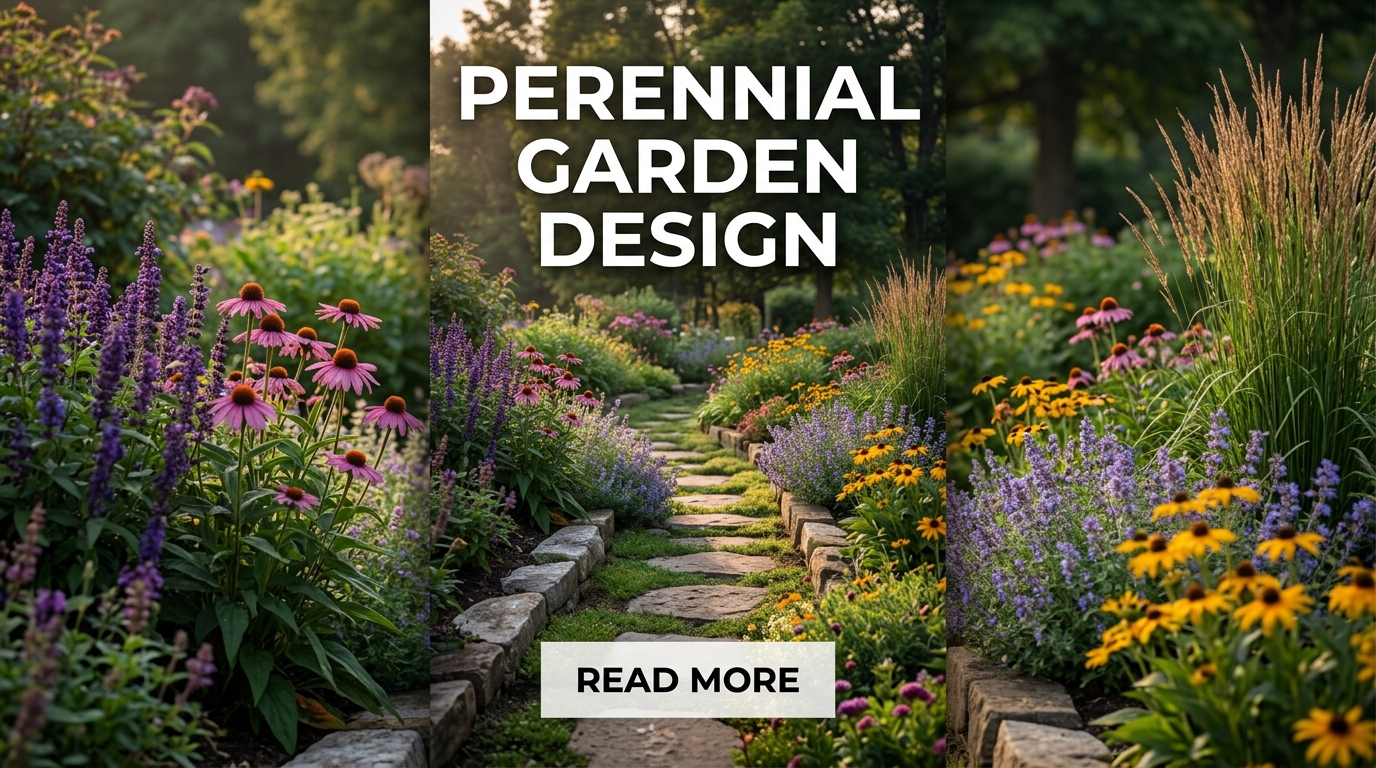
Perennial Garden Design: Creative Layout Ideas, Long-Blooming Plants, and Landscaping Tips
A perennial garden is one of the most rewarding landscape designs for homeowners who want a colorful, low-maintenance garden that returns year after year. Unlike annual flowers that need to be replanted every season, perennials grow back each year from their root systems, providing long-lasting beauty with less effort. A thoughtfully planned perennial garden combines flowers, ornamental grasses, shrubs, and foliage plants to create continuous color, texture, and interest throughout the seasons.
Whether you’re designing a cottage garden, a formal landscape, a modern backyard, or a pollinator-friendly flower bed, perennial plants provide endless opportunities for creativity. By selecting varieties with different bloom times, heights, and colors, you can enjoy a vibrant garden from early spring through late autumn.
This complete guide covers everything you need to know about perennial garden design, including planning, plant selection, layout ideas, maintenance, and landscaping inspiration.
What Is a Perennial Garden?
A perennial garden is a landscape made primarily of plants that return every year after dormancy. Once established, most perennials require less maintenance than annual flowers while offering reliable blooms and attractive foliage.
Common features include:
- Flower beds
- Layered planting
- Ornamental grasses
- Shrubs
- Garden pathways
- Mulched borders
- Garden seating
- Pollinator-friendly plants
Perennial gardens can be adapted to large backyards, front yards, courtyards, and even small urban spaces.
Benefits of a Perennial Garden
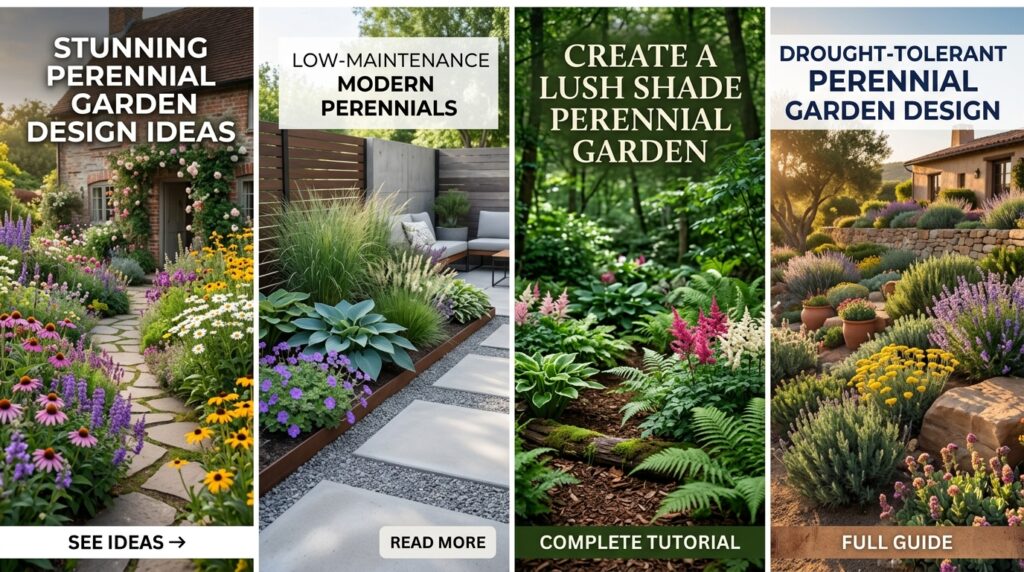
Growing perennials offers many advantages.
Benefits include:
- Blooms return every year
- Lower long-term costs
- Less replanting
- Attracts bees and butterflies
- Adds seasonal color
- Improves biodiversity
- Easy maintenance
- Increases property appeal
A well-designed perennial garden becomes more beautiful as it matures.
Planning Your Garden
Before planting, evaluate your space.
Consider:
- Sunlight
- Soil quality
- Drainage
- Climate
- Available space
- Existing trees
- Maintenance needs
- Water access
Proper planning ensures healthy plants and balanced garden design.
Choose a Garden Style
Perennials fit many landscape styles.
Popular options include:
- Cottage garden
- Formal garden
- Prairie garden
- Woodland garden
- Modern minimalist garden
- Pollinator garden
- English garden
- Naturalistic landscape
Choose a style that complements your home and lifestyle.
Layer Your Plants
Layering creates depth and visual interest.
Arrange plants by height:
- Tall plants at the back
- Medium plants in the center
- Short plants along the front edge
This technique ensures every plant remains visible.
Best Sun Perennials
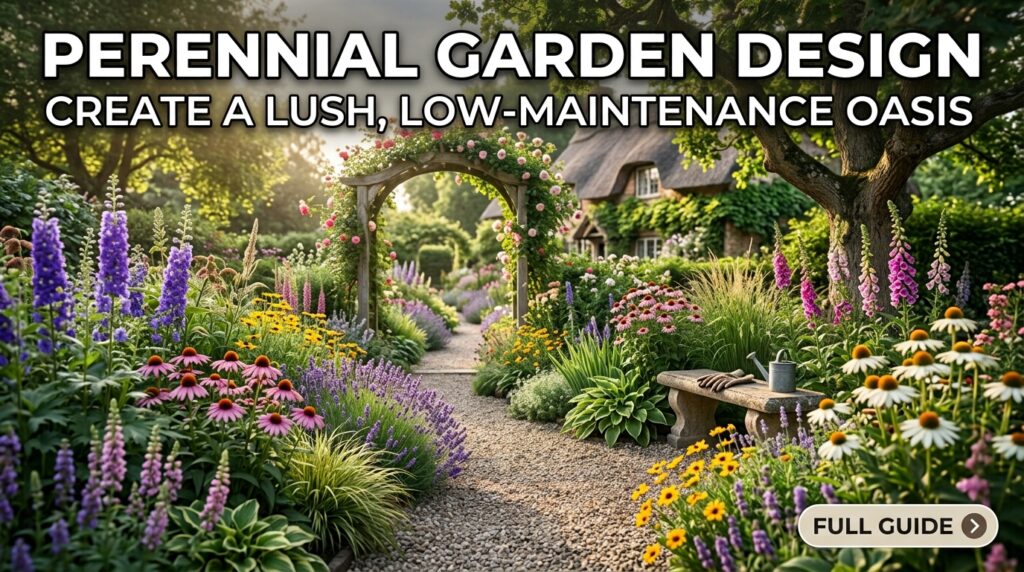
Sunny gardens support many colorful flowers.
Popular choices include:
- Coneflower
- Black-Eyed Susan
- Salvia
- Daylily
- Lavender
- Yarrow
- Coreopsis
- Blanket Flower
- Bee Balm
- Russian Sage
These plants thrive in full sunlight and provide long-lasting blooms.
Best Shade Perennials
Shaded gardens can also be colorful.
Excellent options include:
- Hosta
- Ferns
- Astilbe
- Heuchera
- Bleeding Heart
- Brunnera
- Lungwort
- Japanese Forest Grass
Mix foliage textures for greater visual appeal.
Long-Blooming Perennials
Choose varieties with extended flowering periods.
Popular options include:
- Catmint
- Geranium
- Coreopsis
- Salvia
- Coneflower
- Gaillardia
Long bloom times reduce gaps in seasonal color.
Ornamental Grasses
Grasses provide movement and year-round structure.
Good choices include:
- Fountain Grass
- Switchgrass
- Feather Reed Grass
- Little Bluestem
- Blue Fescue
Combine grasses with flowering perennials for balance.
Shrubs for Structure
Shrubs add permanent framework to the garden.
Popular selections include:
- Hydrangea
- Boxwood
- Spirea
- Viburnum
- Ninebark
Evergreen shrubs keep the garden attractive even during winter.
Color Planning
Create harmony by choosing complementary colors.
Popular combinations include:
- Purple and yellow
- Pink and white
- Blue and silver
- Red and orange
- Lavender and cream
Repeating colors throughout the garden creates a cohesive design.
Garden Pathways
Pathways improve accessibility and add character.
Popular materials include:
- Natural stone
- Gravel
- Brick
- Stepping stones
- Concrete pavers
Curved paths create a relaxed, natural appearance.
Mulching
Mulch benefits perennial gardens by:
- Conserving moisture
- Suppressing weeds
- Improving soil
- Protecting roots
- Enhancing appearance
Organic mulch also enriches the soil as it decomposes.
Water Features
Water adds tranquility and visual interest.
Ideas include:
- Small ponds
- Bird baths
- Stone fountains
- Water bowls
- Streams
Water features attract birds and pollinators.
Garden Seating
Create relaxing spaces within the garden.
Include:
- Wooden benches
- Pergolas
- Adirondack chairs
- Bistro tables
- Swing seats
Comfortable seating encourages you to enjoy the landscape.
Pollinator-Friendly Garden
Many perennials attract beneficial insects.
Plant:
- Bee Balm
- Milkweed
- Coneflower
- Salvia
- Lavender
- Goldenrod
Avoid excessive pesticide use to protect pollinators.
Seasonal Interest
Plan for year-round beauty.
Spring
Blooming plants include:
- Columbine
- Bleeding Heart
- Brunnera
- Lungwort
Summer
Enjoy:
- Coneflower
- Daylily
- Lavender
- Salvia
- Bee Balm
Autumn
Plant:
- Asters
- Sedum
- Chrysanthemums
- Ornamental grasses
Winter
Maintain interest with:
- Evergreen shrubs
- Seed heads
- Decorative grasses
- Winter berries
A balanced planting plan ensures continuous visual appeal.
Small Perennial Garden Ideas
Compact spaces can still be impressive.
Ideas include:
- Raised flower beds
- Border gardens
- Courtyard gardens
- Patio containers
- Vertical planting
Small gardens benefit from careful plant selection.
Sustainable Gardening
Perennial gardens naturally support sustainability.
Include:
- Compost
- Rainwater collection
- Organic mulch
- Native perennials
- Drip irrigation
Eco-friendly gardening reduces maintenance and conserves resources.
Common Design Mistakes
Avoid these common problems:
- Ignoring mature plant size
- Poor spacing
- Choosing only one bloom season
- Overcrowding plants
- Lack of evergreen structure
- Neglecting soil preparation
Thoughtful planning creates long-term success.
Maintenance Tips
Perennial gardens remain healthy with regular care.
Tasks include:
- Watering during dry periods
- Dividing crowded plants
- Removing faded blooms
- Applying compost
- Refreshing mulch
- Seasonal pruning
Established perennials generally require less maintenance than annual flower beds.
Frequently Asked Questions
What is a perennial garden?
A perennial garden is a landscape primarily planted with flowers and plants that return every year without needing to be replanted.
Which perennials bloom the longest?
Catmint, Coreopsis, Salvia, Coneflowers, Geraniums, and Blanket Flowers are known for their long blooming periods.
Can I mix shrubs with perennials?
Yes. Shrubs provide structure while perennials supply seasonal color and texture.
How do I keep blooms throughout the season?
Select plants with different flowering times so that new blooms appear as earlier flowers fade.
Are perennial gardens low maintenance?
Yes. Once established, perennial gardens require less watering, planting, and overall maintenance than annual gardens.
Conclusion
A perennial garden is a timeless investment that rewards gardeners with reliable blooms, rich textures, and year-round beauty. By combining flowering perennials, ornamental grasses, shrubs, and thoughtful landscape design, you can create a vibrant outdoor space that continues to improve with age.
Whether you prefer a colorful cottage garden, a formal border, a wildlife-friendly landscape, or a modern outdoor retreat, perennial garden design offers endless possibilities. With proper planning, seasonal plant selection, and regular maintenance, your perennial garden will provide lasting beauty, attract pollinators, and become a favorite place to relax and enjoy nature for many years.