 By John
Using sleepers in garden design is one of the most practical and attractive ways to create structure, texture, and functionality in outdoor spaces. Garden sleepers are versatile landscaping materials commonly made from wood or concrete and used for raised beds, retaining walls, pathways, seating, edging, and decorative features.
Whether you want a rustic backyard retreat, a modern landscape design, or a low-maintenance garden layout, sleepers can transform your outdoor space with natural charm and durability. They work beautifully in both small gardens and large landscape projects.
In this guide, you’ll discover everything about using sleepers in gardens, including layout ideas, DIY projects, landscaping tips, best materials, and maintenance advice.
What Are Garden Sleepers?
Garden sleepers are long rectangular beams traditionally used in railway tracks but now widely repurposed for landscaping and outdoor design. Modern garden sleepers are usually made from:
- Timber
- Reclaimed wood
- Oak
- Pine
- Composite materials
- Concrete
Sleepers are durable, versatile, and ideal for creating structured garden layouts.
Benefits of Using Sleepers in Garden Design
1. Adds Structure and Definition
Sleepers help create clean borders, levels, and organized planting areas.
2. Durable and Long Lasting
Quality sleepers can withstand outdoor weather conditions for many years.
3. Versatile Landscaping Material
They can be used for pathways, seating, raised beds, stairs, and retaining walls.
4. Suitable for Modern and Rustic Gardens
Sleepers complement many landscaping styles.
5. Easy DIY Garden Solution
Many sleeper projects are beginner-friendly and budget-conscious.
Best Sleepers in Garden Ideas
1. Sleeper Raised Garden Beds
Raised beds are one of the most popular uses for garden sleepers.
Benefits:
- Better soil control
- Improved drainage
- Easier gardening access
- Defined planting spaces
Perfect For:
- Vegetables
- Herbs
- Flowers
- Small shrubs
Timber sleepers create a natural and rustic appearance.
2. Sleeper Retaining Walls
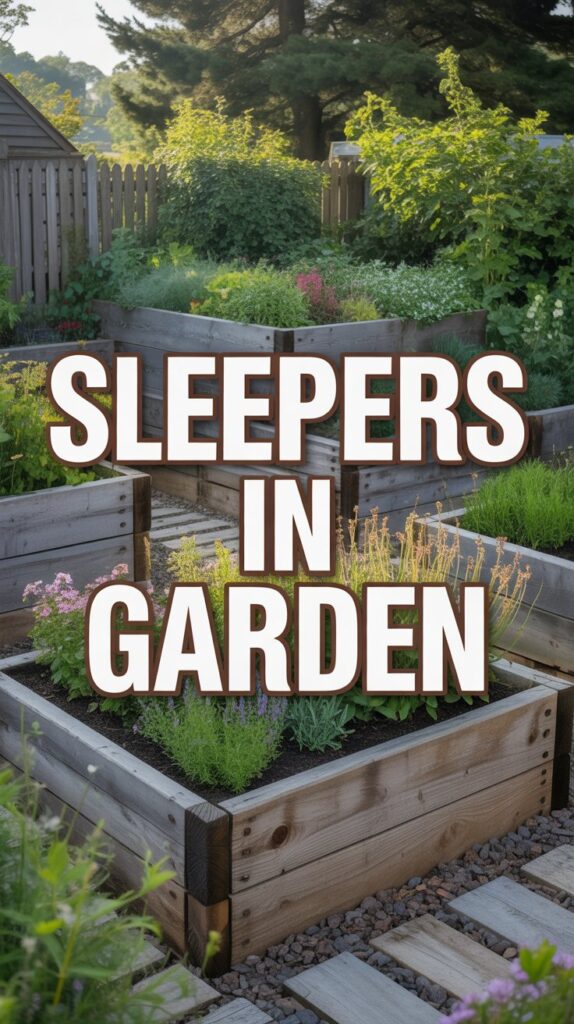
Sleepers can stabilize sloped gardens while adding visual interest.
Great For:
- Tiered gardens
- Hillside landscaping
- Preventing soil erosion
Layered sleeper walls create depth and dimension in outdoor spaces.
3. Sleeper Garden Pathways
Wooden sleepers make attractive garden walkways.
Popular Styles:
- Straight modern paths
- Rustic stepping paths
- Gravel and sleeper combinations
Pathways improve accessibility and structure.
4. Sleeper Garden Stairs
For sloped yards, sleepers create practical and stylish steps.
Design Ideas:
- Gravel-filled steps
- Grass-lined stairways
- Stone and sleeper combinations
These stairs blend beautifully with natural landscapes.
5. Sleeper Garden Seating
Built-in seating adds functionality to outdoor spaces.
Popular Features:
- Corner benches
- Fire pit seating
- Integrated planters
- Rustic lounge areas
Wooden sleepers create warm and inviting outdoor seating.
Small Garden Sleeper Ideas
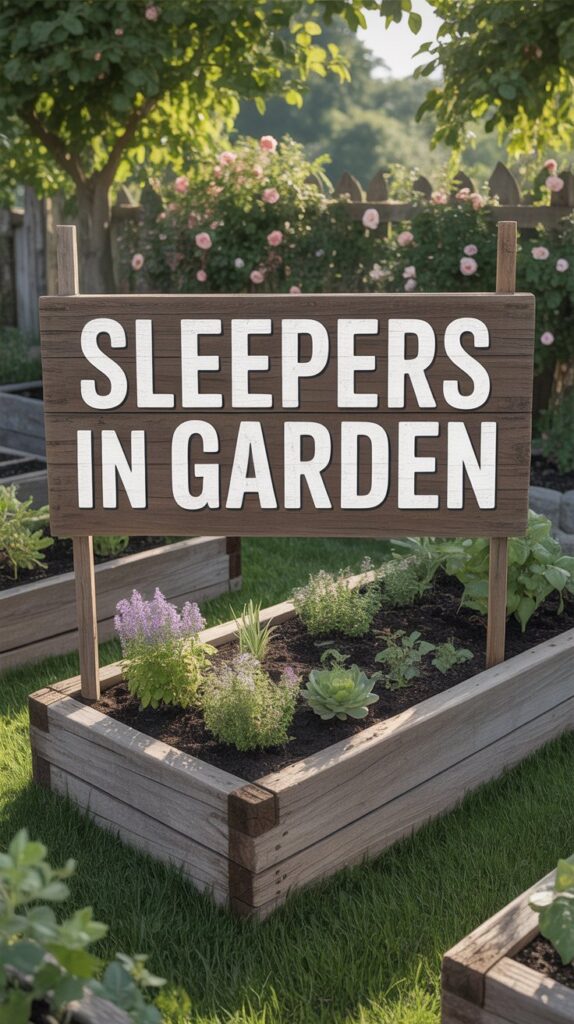
Even compact gardens can benefit from sleeper landscaping.
Mini Raised Beds
Perfect for herbs and flowers in small spaces.
Sleeper Border Edging
Use sleepers to define lawns and pathways neatly.
Vertical Sleeper Planters
Create stacked planters for compact patios and balconies.
Corner Sleeper Features
Transform unused corners into decorative garden focal points.
Modern Sleepers in Garden Design
Modern landscapes often use sleepers for minimalist outdoor layouts.
Popular Features:
- Clean geometric lines
- Dark-stained timber
- Concrete sleepers
- Gravel landscaping
- Monochrome plants
Modern sleeper gardens create a sleek and organized appearance.
Rustic Sleepers Garden Ideas
Rustic gardens highlight the natural beauty of wood.
Include:
- Reclaimed timber sleepers
- Wildflowers
- Gravel pathways
- Wooden furniture
- Natural stone
This style creates a cozy countryside atmosphere.
Best Plants for Sleeper Gardens
Flowers
- Lavender
- Roses
- Daisies
- Hydrangeas
Vegetables
- Lettuce
- Tomatoes
- Carrots
- Peppers
Herbs
- Rosemary
- Thyme
- Basil
- Mint
Ornamental Grasses
Grasses soften the structured appearance of sleepers.
Sleepers Around Patio Areas
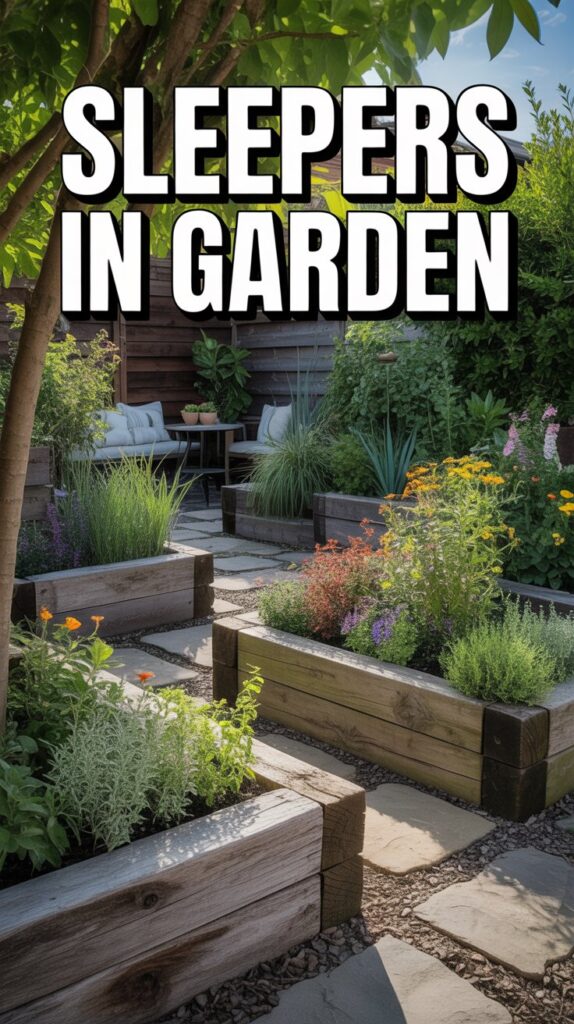
Sleepers work beautifully around patios and outdoor seating spaces.
Sleeper Patio Borders
Define patio edges with timber framing.
Built-In Planters
Add greenery directly into sleeper structures.
Outdoor Dining Areas
Use sleepers to create stylish seating arrangements.
DIY Sleepers in Garden Projects
Sleepers are ideal for simple DIY landscaping projects.
DIY Raised Bed
Materials Needed:
- Timber sleepers
- Screws
- Drill
- Soil
- Plants
Basic Steps:
- Measure the space
- Arrange sleepers into a rectangle
- Secure corners
- Fill with soil
- Plant flowers or vegetables
DIY Sleeper Bench
Build a rustic outdoor bench using stacked sleepers.
DIY Sleeper Pathway
Lay sleepers evenly with gravel between them for a modern garden path.
Best Materials for Garden Sleepers
Timber Sleepers
Natural and warm in appearance.
Popular Woods:
- Oak
- Pine
- Cedar
Reclaimed Sleepers
Eco-friendly and rustic.
Concrete Sleepers
Modern, durable, and low maintenance.
Composite Sleepers
Weather-resistant and long-lasting.
Sleepers in Front Garden Design
Using sleepers in front gardens improves curb appeal.
Sleeper Flower Beds
Create layered planting areas near entrances.
Modern Front Yard Borders
Use clean-lined sleepers with gravel and minimalist plants.
Pathway Framing
Frame walkways for a neat and organized entrance.
Backyard Sleepers Landscaping Ideas
Backyard gardens benefit greatly from sleeper structures.
Tiered Garden Design
Create multiple levels for planting and seating.
Fire Pit Area
Use sleepers for surrounding seating.
Outdoor Lounge Space
Combine sleepers with pergolas and lighting.
Low Maintenance Sleeper Garden Ideas
For easy upkeep, choose durable materials and simple layouts.
Best Features:
- Gravel mulch
- Evergreen plants
- Composite sleepers
- Drought-tolerant plants
Low-maintenance sleeper gardens remain attractive year-round.
Sleeper Garden Lighting Ideas
Lighting enhances atmosphere and safety.
Popular Options:
- Solar lights
- LED strip lighting
- Lanterns
- Spotlights
Lighting along sleeper pathways creates a beautiful nighttime effect.
Sleeper Garden Maintenance Tips
Protect Timber
Apply wood treatment to prevent rot and weather damage.
Check Drainage
Proper drainage prevents water damage around sleepers.
Remove Weeds
Keep pathways and borders tidy.
Re-Stain When Needed
Refresh wooden sleepers periodically for long-lasting appearance.
Common Mistakes to Avoid
Using Untreated Wood
Untreated timber may rot quickly outdoors.
Poor Drainage Planning
Standing water can damage sleepers and plants.
Overcrowding Plants
Allow enough room for plant growth.
Weak Structural Support
Secure sleepers properly for safety and durability.
Why Sleepers in Garden Design Are Trending
Garden sleepers are increasingly popular because they offer:
- Stylish landscaping solutions
- Easy DIY projects
- Modern and rustic versatility
- Functional outdoor structures
- Durable garden organization
They fit perfectly with current outdoor living and sustainable landscaping trends.
Conclusion
Using sleepers in garden design is a smart and stylish way to enhance outdoor spaces with structure, beauty, and functionality. Whether you create raised beds, retaining walls, pathways, seating areas, or decorative borders, sleepers provide endless landscaping possibilities for gardens of all sizes.
With thoughtful layouts, quality materials, and complementary plants, you can transform your outdoor area into a beautiful and organized retreat that combines natural charm with practical design.