 By John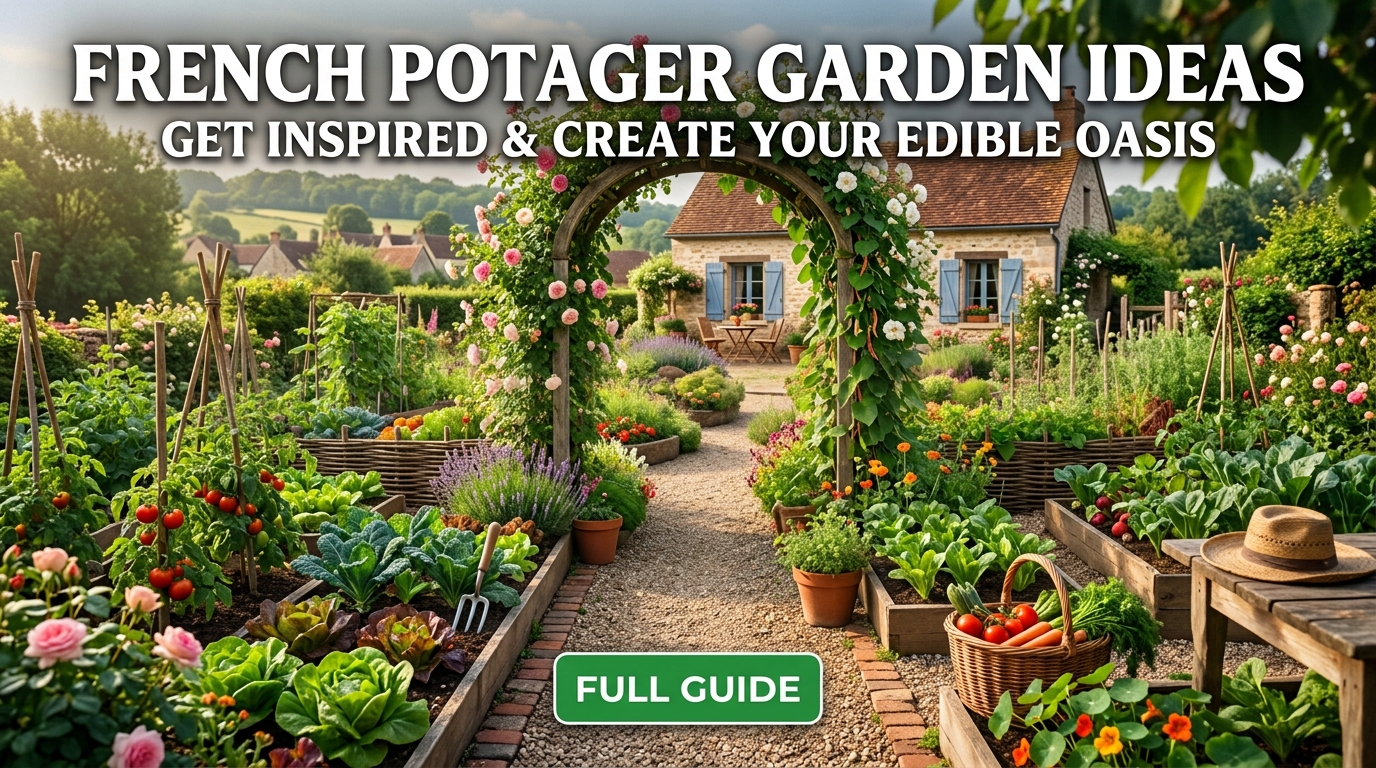
A French potager garden is the perfect blend of beauty and functionality, combining ornamental flowers, fresh vegetables, herbs, and fruit into an organized yet charming landscape. Originating in France, the word potager refers to a kitchen garden designed not only to produce food but also to serve as an attractive feature of the home. Unlike traditional vegetable gardens arranged in simple rows, a French potager emphasizes symmetry, color, texture, and seasonal interest while providing a continuous harvest.
Whether you have a spacious backyard or a small courtyard, a French potager garden can be adapted to fit almost any space. With raised beds, decorative pathways, neatly clipped hedges, and carefully planned plant combinations, you can enjoy an outdoor area that is as visually stunning as it is productive.
This comprehensive guide explains everything you need to know about planning, designing, planting, and maintaining a beautiful French potager garden.
What Is a French Potager Garden?
A French potager is an ornamental kitchen garden where vegetables, herbs, edible flowers, and fruit are arranged in decorative patterns rather than simple rows. Every section is designed to provide beauty throughout the seasons while supplying fresh produce for the kitchen.
A traditional potager often includes:
- Raised garden beds
- Geometric layouts
- Gravel pathways
- Herbs
- Seasonal vegetables
- Fruit trees
- Berry bushes
- Edible flowers
- Decorative borders
- Garden structures
The goal is to create a productive landscape that looks elegant all year long.
Benefits of a French Potager Garden
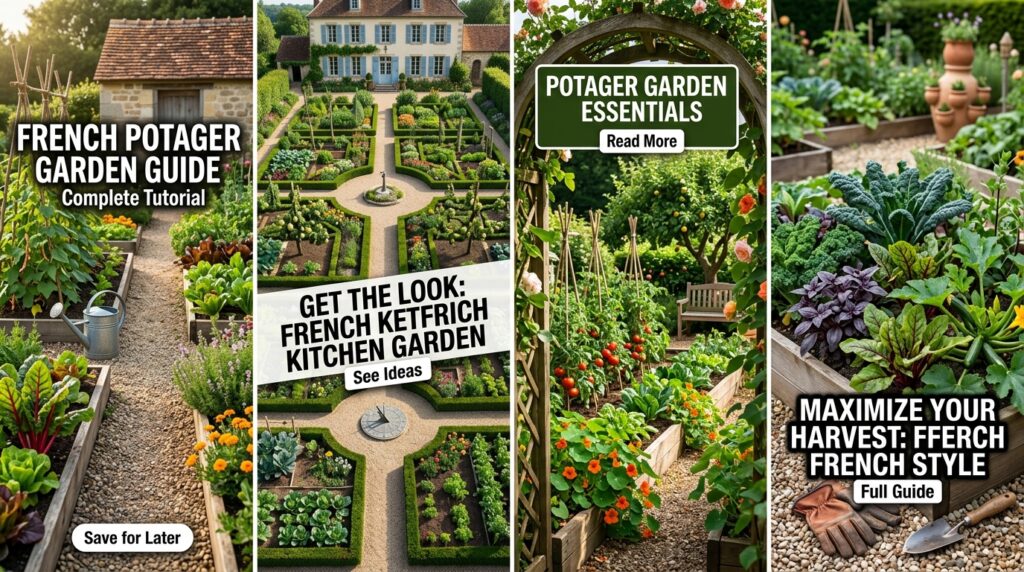
A French potager offers many practical and aesthetic advantages.
Beautiful and Functional
Unlike ordinary vegetable gardens, a potager is designed to be visually attractive throughout every season.
Fresh Homegrown Food
Enjoy easy access to vegetables, herbs, berries, and edible flowers just steps from your kitchen.
Better Space Utilization
Careful planning allows multiple crops to grow efficiently in relatively small areas.
Pollinator Friendly
Flowers attract bees, butterflies, and other beneficial insects that improve crop production.
Increased Property Appeal
A well-designed potager enhances the beauty and value of your home.
Planning Your Potager Garden
Before planting, evaluate your available space.
Consider:
- Garden size
- Sunlight
- Soil quality
- Water access
- Drainage
- Climate
- Existing trees
- Maintenance time
Most vegetables require at least six to eight hours of direct sunlight each day.
Choosing the Best Layout
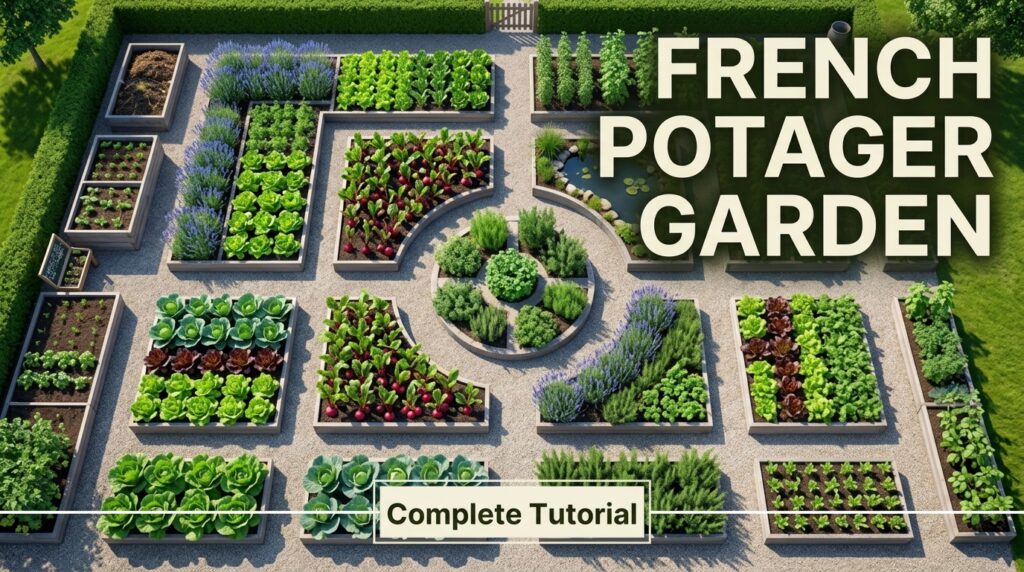
Symmetry is one of the defining features of French potager gardens.
Popular layouts include:
Square Design
Divide the garden into equal-sized planting beds separated by gravel paths.
Circular Layout
Arrange beds around a central fountain, birdbath, or sundial.
Cross-Shaped Garden
Four main beds surround a decorative focal point, creating a classic formal appearance.
Rectangular Design
Raised beds bordered by pathways maximize growing space while maintaining an orderly look.
Raised Garden Beds
Raised beds improve both productivity and appearance.
Benefits include:
- Better drainage
- Improved soil quality
- Easier maintenance
- Defined planting areas
- Reduced soil compaction
Wood, stone, brick, and metal all make attractive edging materials.
Pathway Ideas
Pathways organize the garden and provide easy access for maintenance.
Popular materials include:
- Gravel
- Brick
- Natural stone
- Limestone
- Crushed granite
Straight paths reinforce the formal style, while wider paths make harvesting more comfortable.
Best Vegetables for a French Potager
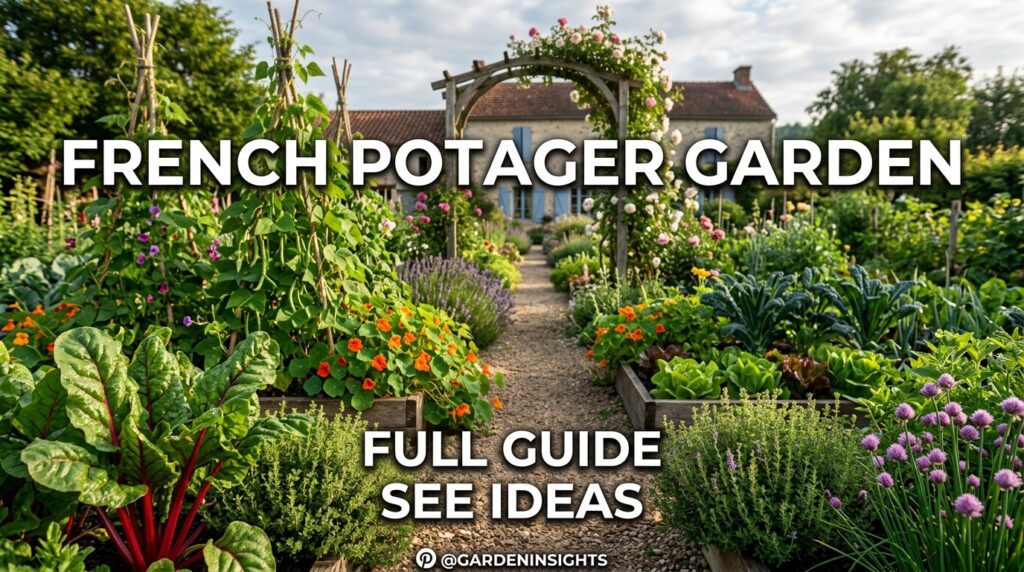
Choose productive crops that also provide attractive foliage and color.
Excellent vegetables include:
- Lettuce
- Kale
- Swiss chard
- Tomatoes
- Carrots
- Beets
- Cabbage
- Broccoli
- Peppers
- Eggplant
- Onions
- Beans
Mix leafy greens with colorful vegetables to create visual contrast.
Essential Herbs
Herbs are an important feature of every potager.
Popular choices include:
- Basil
- Rosemary
- Thyme
- Sage
- Parsley
- Chives
- Oregano
- Dill
- Tarragon
- Mint
Plant herbs near pathways for easy harvesting.
Edible Flowers
Flowers provide beauty while supporting pollinators.
Great options include:
- Nasturtiums
- Calendula
- Viola
- Borage
- Lavender
- Marigolds
These flowers attract beneficial insects and add vibrant color to the garden.
Fruit for the Potager
Fruit plants complement vegetables beautifully.
Ideas include:
- Strawberries
- Blueberries
- Raspberries
- Espalier apple trees
- Pear trees
- Grapevines
Espalier fruit trees save space while adding a formal architectural element.
Companion Planting
Companion planting improves growth and naturally helps reduce pests.
Examples include:
- Tomatoes with basil
- Carrots with onions
- Beans with corn
- Lettuce with radishes
- Cabbage with dill
- Marigolds throughout the garden
Mixing flowers and vegetables creates healthier planting beds.
Garden Borders
Defined borders add elegance.
Popular edging options include:
- Boxwood hedges
- Brick edging
- Stone borders
- Low lavender hedges
- Steel edging
Neat borders emphasize the formal design.
Garden Structures
Architectural features enhance both beauty and functionality.
Include:
- Pergolas
- Trellises
- Arbors
- Obelisks
- Decorative gates
Vertical structures support climbing crops while creating visual interest.
Vertical Gardening
Grow upward to maximize space.
Perfect climbing crops include:
- Pole beans
- Cucumbers
- Peas
- Grapes
- Tomatoes
Decorative trellises contribute to the classic French style.
Water Features
A central water feature creates a peaceful focal point.
Ideas include:
- Stone fountains
- Birdbaths
- Reflecting bowls
- Small ponds
The sound of moving water attracts birds and creates a relaxing atmosphere.
Decorative Accessories
Keep accessories elegant and understated.
Ideas include:
- Terracotta pots
- Stone urns
- Iron benches
- Garden statues
- Sundials
- Rustic watering cans
Natural materials blend beautifully with the garden.
Color Palette
French potager gardens rely on harmonious colors.
Popular combinations include:
- Green and white
- Purple and silver
- Burgundy and lime
- Yellow and blue
- Pink and lavender
Repeating colors throughout the garden creates unity.
Irrigation Tips
Consistent watering keeps vegetables productive.
Recommended systems include:
- Drip irrigation
- Soaker hoses
- Rain barrels
- Mulching to retain moisture
Water deeply rather than frequently to encourage strong root systems.
Sustainable Potager Gardening
Environmentally friendly practices improve long-term productivity.
Include:
- Composting
- Organic fertilizers
- Crop rotation
- Rainwater harvesting
- Native pollinator plants
- Mulching
Healthy soil produces healthier crops.
Seasonal Planting
Plan for year-round harvests.
Spring
Plant:
- Lettuce
- Peas
- Spinach
- Radishes
Summer
Grow:
- Tomatoes
- Beans
- Cucumbers
- Peppers
Autumn
Plant:
- Kale
- Broccoli
- Beets
- Cabbage
Winter
Maintain interest with:
- Evergreen herbs
- Winter vegetables
- Decorative structures
- Mulched beds
Seasonal planning keeps the potager productive and attractive.
Small French Potager Ideas
Even limited spaces can support a beautiful kitchen garden.
Ideas include:
- Raised beds
- Containers
- Vertical planters
- Window boxes
- Courtyard gardens
- Balcony herb gardens
Small gardens benefit from careful organization and compact crop selection.
Maintenance Tips
Regular care keeps the garden thriving.
Tasks include:
- Watering consistently
- Harvesting frequently
- Pruning herbs
- Weeding beds
- Adding compost
- Rotating crops
- Refreshing mulch
Routine maintenance encourages continuous harvests.
Common Mistakes to Avoid
Avoid these common problems:
- Overcrowding plants
- Ignoring sunlight needs
- Poor drainage
- Neglecting crop rotation
- Skipping companion planting
- Inconsistent watering
- Untidy pathways
Planning ahead reduces maintenance and improves productivity.
Why French Potager Gardens Remain Popular
Gardeners love potagers because they combine:
- Elegant landscaping
- Fresh food production
- Seasonal beauty
- Wildlife support
- Efficient use of space
- Sustainable gardening
- Timeless European charm
A potager offers the perfect balance of practicality and visual appeal.
Frequently Asked Questions
What makes a French potager different from a vegetable garden?
A French potager combines vegetables, herbs, flowers, and fruit in an ornamental layout, while traditional vegetable gardens often focus only on food production.
Which vegetables work best in a potager?
Lettuce, tomatoes, kale, carrots, beets, peppers, cabbage, beans, and Swiss chard are excellent choices.
Can I create a potager in a small backyard?
Yes. Raised beds, containers, and vertical gardening make French potager gardens suitable for compact spaces.
Do I need raised beds?
No, but raised beds improve drainage, soil quality, and the organized appearance that defines a potager.
Are flowers necessary in a French potager?
Yes. Flowers attract pollinators, improve biodiversity, and contribute to the garden’s colorful, decorative design.
Conclusion
A French potager garden is the perfect combination of elegance and productivity, transforming ordinary vegetable gardening into an art form. By blending fresh vegetables, fragrant herbs, colorful flowers, fruit, and carefully planned pathways, you can create a landscape that is both practical and visually stunning.
Whether you are designing a large backyard kitchen garden or a compact courtyard filled with raised beds and containers, the principles of symmetry, seasonal planting, companion gardening, and thoughtful design will help you build a beautiful outdoor space that provides fresh harvests throughout the year. With regular care and creative planning, your French potager garden will become a charming centerpiece that offers beauty, abundance, and inspiration for years to come.