
 By John
A fern garden is one of the most elegant and peaceful ways to enhance any outdoor space. Known for their graceful fronds, rich green foliage, and ability to thrive in shady conditions, ferns create a lush woodland atmosphere that feels cool, calming, and naturally beautiful. Whether you have a large backyard, a small shaded corner, or a courtyard, a thoughtfully designed fern garden can become a relaxing retreat filled with texture, movement, and year-round greenery.
Unlike flower-focused gardens that rely on colorful blooms, fern gardens celebrate the beauty of foliage. Their intricate leaf patterns, varying heights, and diverse textures provide visual interest throughout the seasons while requiring relatively little maintenance once established.
This complete guide explores everything you need to know about planning, planting, designing, and maintaining a thriving fern garden.
What Is a Fern Garden?
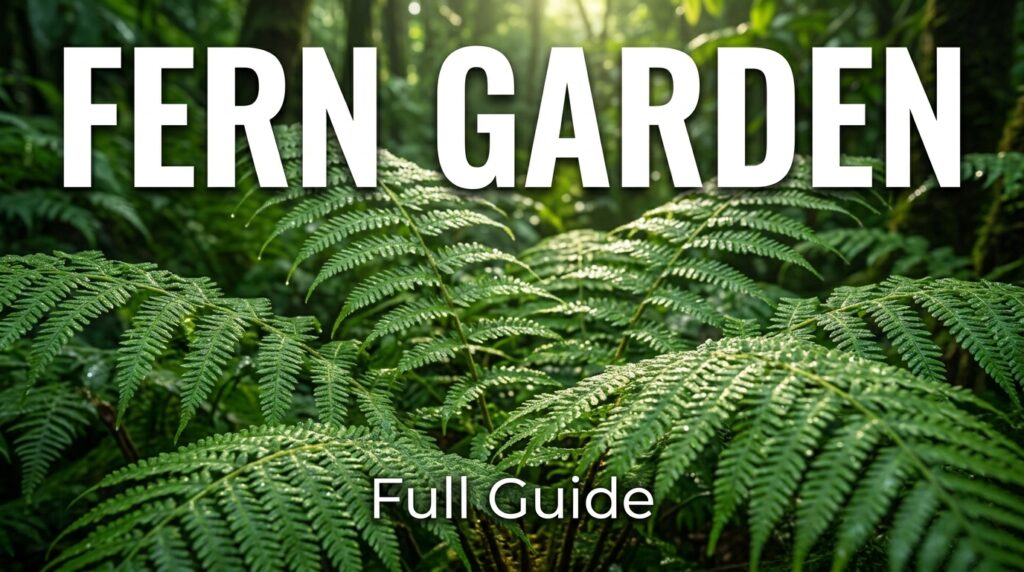
A fern garden is a landscaped area where ferns are the primary plants, creating a natural woodland-inspired environment. These gardens often feature shade-loving plants, natural stone pathways, moss-covered rocks, water features, and organic materials that complement the lush appearance of ferns.
Fern gardens can be designed in many styles, including:
- Woodland gardens
- Japanese-inspired landscapes
- Tropical retreats
- Cottage gardens
- Modern shade gardens
- Rain gardens
Because ferns thrive in low-light conditions, they are ideal for areas where many flowering plants struggle to grow.
Benefits of Creating a Fern Garden
Beautiful Year-Round Foliage
Most ferns offer attractive green foliage from spring through autumn, while many evergreen varieties provide interest throughout the year.
Perfect for Shady Areas
Many homeowners struggle to landscape shaded spaces beneath trees or beside buildings. Ferns naturally thrive in these environments, making them an excellent solution.
Low Maintenance
Once established, most ferns require little attention beyond occasional watering, mulching, and removing old fronds.
Improves Garden Texture
Fern fronds create layers of texture that add depth and movement to garden beds.
Supports Wildlife
Fern gardens provide shelter for insects, frogs, birds, and other beneficial wildlife, contributing to a healthier ecosystem.
Choosing the Best Location

Location plays a major role in the success of your fern garden.
Ideal conditions include:
- Partial to full shade
- Moist, well-drained soil
- Protection from strong afternoon sun
- High humidity
- Good air circulation
Woodland edges, north-facing gardens, and shaded patios are often perfect locations.
Best Fern Varieties for Your Garden
Japanese Painted Fern
Known for its silver-gray foliage with hints of purple and green, this fern adds elegance and color contrast.
Lady Fern
Lady ferns feature delicate, feathery fronds that create a soft woodland appearance.
Ostrich Fern
One of the tallest garden ferns, ostrich fern produces graceful upright fronds that create dramatic focal points.
Autumn Fern
This variety emerges with copper-colored new growth before maturing into deep green foliage.
Maidenhair Fern
Maidenhair ferns have fine black stems and delicate fan-shaped leaves that bring an airy texture to shaded gardens.
Christmas Fern
An evergreen favorite, Christmas fern provides year-round interest with glossy dark green fronds.
Cinnamon Fern
Named for its distinctive cinnamon-colored fertile fronds, this fern adds architectural beauty to moist landscapes.
Soil Requirements
Healthy soil is essential for thriving ferns.
Ideal soil should be:
- Rich in organic matter
- Moist but well-drained
- Slightly acidic to neutral
- Loose and fertile
Improve poor soil by adding:
- Compost
- Leaf mold
- Peat-free organic matter
- Aged bark mulch
Healthy soil helps retain moisture while allowing proper drainage.
How to Plant a Fern Garden

Planting ferns correctly encourages strong root development.
Step 1
Prepare the soil by removing weeds and incorporating organic compost.
Step 2
Dig planting holes slightly wider than each root ball.
Step 3
Place each fern at the same depth it was growing in its container.
Step 4
Backfill with soil and water thoroughly.
Step 5
Apply a generous layer of mulch to conserve moisture and suppress weeds.
Space plants according to their mature size to allow proper airflow.
Designing a Fern Garden
Thoughtful design creates a natural woodland atmosphere.
Layer Different Heights
Combine tall, medium, and low-growing ferns for visual depth.
Add Curved Pathways
Natural stone or gravel paths encourage exploration through the garden.
Include Large Rocks
Weathered stones provide structure and complement the woodland theme.
Create Focal Points
Place a specimen fern or decorative bench where it naturally draws attention.
Mix Textures
Combine broad-leaved plants with finely divided fern fronds for greater contrast.
Companion Plants for Fern Gardens
Many shade-loving plants pair beautifully with ferns.
Excellent companions include:
- Hostas
- Astilbes
- Hellebores
- Heucheras
- Japanese forest grass
- Mosses
- Bleeding hearts
- Lungwort
- Trilliums
- Foamflowers
These plants introduce seasonal blooms and contrasting foliage without overpowering the ferns.
Watering Requirements
Most ferns prefer consistently moist soil.
Watering tips include:
- Water deeply during dry periods
- Avoid allowing soil to dry completely
- Mulch to reduce evaporation
- Water early in the morning
- Increase watering during heatwaves
Established ferns tolerate occasional dry spells better than newly planted ones.
Mulching Benefits
Mulch helps recreate the natural woodland environment.
Benefits include:
- Moisture retention
- Weed suppression
- Improved soil quality
- Temperature regulation
- Reduced erosion
Organic mulch such as shredded bark or leaf mold works particularly well.
Lighting Conditions
While lighting requirements vary slightly by species, most garden ferns perform best in:
- Dappled sunlight
- Morning sun
- Partial shade
- Full shade
Avoid prolonged afternoon sunlight, which may scorch delicate fronds.
Fern Garden Ideas
Woodland Retreat
Use native ferns beneath mature trees with winding stone paths and moss-covered rocks.
Japanese Zen Garden
Combine ferns with bamboo, stone lanterns, water features, and gravel for a serene atmosphere.
Tropical Shade Garden
Mix large ferns with elephant ears, caladiums, and palms for a lush exotic appearance.
Cottage Garden Corner
Blend ferns with hydrangeas, foxgloves, and hostas for a romantic shaded border.
Decorative Features
Enhance your fern garden with thoughtful accessories.
Popular additions include:
- Wooden benches
- Stone birdbaths
- Small fountains
- Rustic bridges
- Garden sculptures
- Lanterns
- Moss-covered containers
Natural materials maintain the woodland aesthetic.
Growing Ferns in Containers
Container gardening allows you to enjoy ferns on patios and balconies.
Choose containers with:
- Drainage holes
- Rich potting mix
- Organic mulch
- Adequate shade
Popular container varieties include maidenhair fern, bird’s nest fern, and Japanese painted fern.
Seasonal Care
Spring
- Remove damaged fronds
- Divide overcrowded plants
- Apply compost
- Refresh mulch
Summer
- Water consistently
- Monitor pests
- Remove weeds
Autumn
- Leave healthy foliage
- Add mulch
- Plant new ferns
Winter
- Protect tender species
- Avoid disturbing dormant plants
- Keep mulch in place
Common Fern Garden Problems
Brown Fronds
Usually caused by:
- Dry soil
- Low humidity
- Excessive sunlight
Yellow Leaves
Possible causes include:
- Poor drainage
- Overwatering
- Nutrient deficiency
Slow Growth
Often results from:
- Poor soil
- Root competition
- Lack of organic matter
Correcting growing conditions usually restores healthy growth.
Pest and Disease Control
Ferns are generally resistant to major pests.
Occasional issues include:
- Slugs
- Snails
- Scale insects
- Aphids
Control methods include:
- Hand removal
- Organic slug barriers
- Insecticidal soap
- Encouraging beneficial insects
Proper airflow also helps prevent fungal diseases.
Sustainable Fern Gardening
Eco-friendly practices benefit both your garden and the environment.
Ideas include:
- Compost garden waste
- Collect rainwater
- Use organic mulch
- Avoid synthetic pesticides
- Plant native fern species
- Encourage pollinators and wildlife
These methods create a healthier, more resilient landscape.
Indoor Inspiration from Fern Gardens
The calming beauty of a fern garden can also inspire indoor spaces.
Incorporate:
- Potted ferns
- Natural wood furniture
- Stone accents
- Botanical artwork
- Soft green textiles
This creates a seamless connection between indoor and outdoor living.
Common Design Mistakes
Avoid these frequent errors:
- Planting in full sun
- Overcrowding plants
- Poor drainage
- Ignoring mature plant size
- Using dry soil
- Removing too much foliage
- Skipping mulch
Planning ahead helps ensure a healthy and balanced garden.
Why Fern Gardens Continue to Grow in Popularity
Fern gardens remain popular because they offer:
- Timeless natural beauty
- Easy maintenance
- Shade tolerance
- Rich textures
- Wildlife habitat
- Year-round greenery
- Peaceful woodland atmosphere
As homeowners seek relaxing outdoor spaces, fern gardens provide a perfect escape from busy lifestyles.
Frequently Asked Questions
Do ferns need full shade?
Most garden ferns prefer partial to full shade, although some varieties tolerate gentle morning sunlight.
How often should I water a fern garden?
Keep the soil consistently moist, especially during warm weather, but avoid waterlogged conditions.
Can ferns survive winter?
Many hardy fern varieties survive winter successfully, particularly when protected with mulch.
Are fern gardens low maintenance?
Yes. Once established, fern gardens require minimal maintenance beyond watering, mulching, and seasonal cleanup.
Can ferns grow under trees?
Absolutely. Ferns naturally thrive beneath mature trees where filtered shade and leaf litter create ideal growing conditions.
Conclusion
A fern garden is a timeless addition to any landscape, offering graceful foliage, calming greenery, and year-round beauty. Whether you want to transform a shady backyard into a woodland retreat or create a peaceful corner filled with lush textures, ferns provide endless design possibilities with relatively little maintenance.
By choosing the right varieties, preparing healthy soil, providing consistent moisture, and incorporating natural elements like stone, wood, and water, you can create a stunning fern garden that feels both elegant and restorative. As your plants mature, the garden will develop into a tranquil sanctuary where nature thrives and every season brings fresh beauty.