
 By John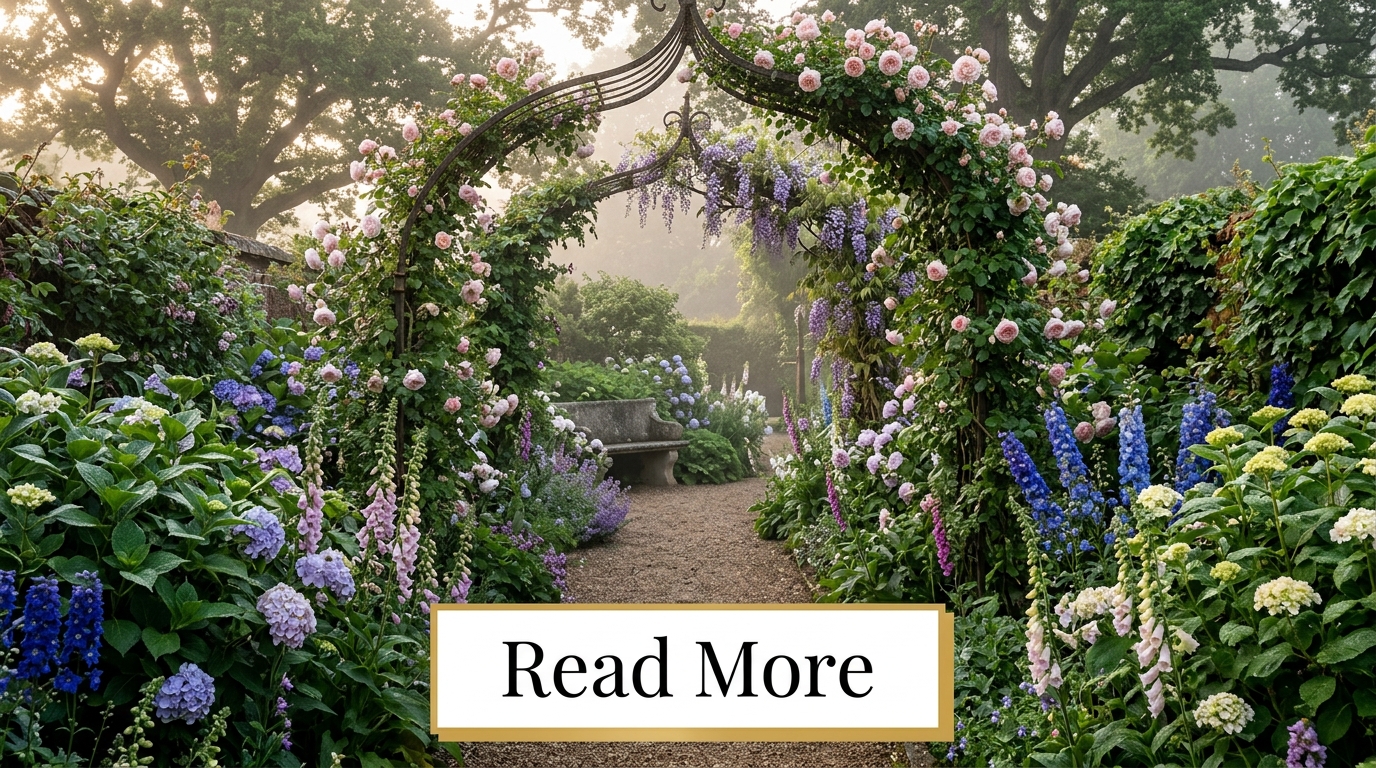
The Victorian garden aesthetic is one of the most romantic and sophisticated garden styles in landscape design history. Inspired by the gardens of the Victorian era (1837–1901), this aesthetic combines formal layouts, abundant flowers, decorative structures, and intricate details to create outdoor spaces filled with elegance and charm. Victorian gardens were designed as places of beauty, leisure, and social gathering, often showcasing rare plants, colorful flower displays, and carefully maintained landscapes.
Today, the Victorian garden aesthetic remains popular among homeowners who appreciate classic beauty, vintage-inspired design, and lush plantings. Whether you have a large estate garden or a small backyard, Victorian-inspired elements can transform your outdoor space into a timeless retreat filled with color, fragrance, and character.
This complete guide explores Victorian garden design principles, plant selections, decorative features, landscaping ideas, and practical tips for creating an authentic Victorian garden aesthetic.
What Is a Victorian Garden Aesthetic?
A Victorian garden aesthetic refers to a landscaping style inspired by the Victorian period. These gardens were known for their combination of formal structure and abundant planting. They often featured colorful flower beds, ornamental trees, decorative pathways, fountains, greenhouses, and elegant garden furniture.
Victorian gardens reflected the era’s fascination with horticulture and exotic plants. Garden owners often displayed rare species collected from around the world while maintaining carefully planned layouts.
The result was a garden that felt luxurious, refined, and visually impressive.
Why the Victorian Garden Aesthetic Remains Popular
Victorian gardens continue to inspire modern gardeners because they offer timeless elegance.
They create a romantic atmosphere.
Their colorful plantings provide year-round beauty.
Decorative features add charm and personality.
Victorian gardens encourage relaxation and outdoor enjoyment.
The style blends history, artistry, and horticulture into one cohesive design.
Key Characteristics of Victorian Gardens
Understanding the defining elements helps create an authentic Victorian look.
Formal Layouts
Victorian gardens often feature symmetrical designs and structured planting beds.
Colorful Flower Displays
Large masses of flowers create dramatic visual impact.
Ornamental Features
Statues, fountains, and decorative structures add elegance.
Garden Rooms
Different sections of the garden serve unique purposes.
Exotic Plant Collections
Victorians loved showcasing unusual and imported plant species.
Creating a Victorian Garden Layout
Begin with a well-organized garden plan.
Popular layout features include:
- Symmetrical flower beds
- Curved pathways
- Central focal points
- Formal lawns
- Defined garden rooms
The design should balance order and abundance.
Even smaller gardens can incorporate Victorian-inspired structure.
Victorian Flower Bed Designs
Flower beds are among the most recognizable features of Victorian gardens.
Traditional Victorian bedding schemes use mass plantings arranged in geometric patterns.
Popular flower bed shapes include:
- Circular beds
- Oval beds
- Diamond patterns
- Ribbon borders
Color coordination is often used to create striking visual displays.
Well-maintained flower beds become focal points throughout the garden.
Best Flowers for a Victorian Garden
Victorian gardeners loved colorful and fragrant flowers.
Popular choices include:
- Roses
- Hollyhocks
- Delphiniums
- Foxgloves
- Peonies
- Sweet Peas
- Pansies
- Petunias
- Dahlias
- Geraniums
Combining different heights and bloom times ensures continuous interest.
Roses: The Heart of Victorian Gardens
Roses played a central role in Victorian landscapes.
Popular varieties include:
- Climbing Roses
- Shrub Roses
- Heritage Roses
- Tea Roses
Roses provide fragrance, beauty, and historical authenticity.
Plant them along pathways, arches, fences, and garden borders.
Their timeless appeal perfectly complements Victorian aesthetics.
Ornamental Trees and Shrubs
Trees and shrubs provide structure and year-round beauty.
Popular choices include:
- Boxwood
- Yew
- Hydrangea
- Lilac
- Magnolia
- Japanese Maple
These plants create layers and help define different garden spaces.
Evergreen shrubs maintain visual interest during winter.
Garden Pathways and Walkways
Victorian gardens often feature elegant pathways.
Popular materials include:
- Brick
- Gravel
- Natural stone
Curved pathways encourage exploration and add a romantic quality.
Well-designed paths connect garden rooms while highlighting important features.
Decorative Garden Arches
Arches are iconic Victorian garden elements.
They often support climbing plants such as:
- Roses
- Clematis
- Honeysuckle
- Wisteria
Flower-covered arches create dramatic entrances and focal points.
They also add height and vertical interest.
Victorian Garden Structures
Garden structures contribute significantly to the aesthetic.
Popular features include:
Gazebos
Provide shaded seating and elegant focal points.
Pergolas
Support climbing plants and define outdoor spaces.
Greenhouses
Reflect Victorian passion for horticulture.
Conservatories
Extend plant collections and provide year-round enjoyment.
These structures enhance both beauty and functionality.
Fountains and Water Features
Water features add sophistication and tranquility.
Popular Victorian options include:
- Tiered fountains
- Reflecting pools
- Decorative ponds
- Birdbaths
The sound of flowing water enhances relaxation while creating a luxurious atmosphere.
Water features often serve as central garden focal points.
Victorian Garden Furniture
Furniture should complement the garden’s elegance.
Popular choices include:
- Cast iron benches
- Wrought iron chairs
- Decorative tables
- Wooden garden seats
Ornate designs reflect Victorian craftsmanship and style.
Comfortable seating encourages visitors to enjoy the garden fully.
Victorian Garden Color Schemes
Color was carefully considered in Victorian landscapes.
Popular palettes include:
Romantic Pastels
Soft pinks, blues, lavenders, and creams.
Rich Jewel Tones
Deep reds, purples, and burgundy shades.
Traditional White Gardens
Elegant displays featuring white flowers and silver foliage.
Thoughtful color coordination creates visual harmony.
Creating Garden Rooms
Victorian gardens often consist of multiple garden rooms.
Examples include:
- Rose gardens
- Vegetable gardens
- Woodland areas
- Seating spaces
- Conservatory gardens
Each area serves a unique purpose while contributing to the overall design.
Garden rooms make larger landscapes feel more intimate.
Victorian Garden Lighting
Although Victorian gardens relied primarily on daylight, modern lighting can enhance the aesthetic.
Popular options include:
- Lantern-style fixtures
- Path lights
- Decorative sconces
- String lights
Warm lighting creates a romantic evening atmosphere while highlighting architectural features.
Small Victorian Garden Ideas
You do not need a large estate to achieve a Victorian look.
Small gardens can incorporate:
- Decorative containers
- Compact flower beds
- Miniature arches
- Climbing roses
- Vintage-inspired furniture
Careful planning helps maximize beauty in limited spaces.
Victorian charm can thrive even in urban settings.
Budget-Friendly Victorian Garden Tips
Creating a Victorian-inspired garden does not require excessive spending.
Grow flowers from seeds.
Purchase young plants and allow them to mature.
Repurpose vintage items as garden décor.
Use gravel pathways instead of expensive paving materials.
Focus on a few key features rather than attempting everything at once.
Common Mistakes to Avoid
Avoid overcrowding planting beds.
Do not neglect maintenance, as Victorian gardens rely on careful upkeep.
Avoid mixing too many unrelated styles.
Ensure pathways remain functional and accessible.
Balance decorative features with practical gardening needs.
Thoughtful planning creates a more authentic result.
Maintenance Tips
Victorian gardens require regular attention.
Important tasks include:
- Pruning
- Deadheading flowers
- Weeding
- Lawn care
- Mulching
- Watering
Consistent maintenance preserves the formal appearance and lush plantings that define the style.
Healthy plants contribute significantly to the garden’s beauty.
Benefits of a Victorian Garden Aesthetic
A Victorian garden offers many advantages.
It creates a timeless and elegant atmosphere.
It provides abundant flowers and fragrance.
It encourages outdoor relaxation and entertaining.
It supports pollinators and wildlife.
It adds historical charm and visual interest to any property.
The combination of structure and abundance remains appealing to modern gardeners.
Final Thoughts
The Victorian garden aesthetic represents a perfect blend of elegance, romance, and horticultural beauty. With its colorful flower beds, graceful pathways, decorative structures, and carefully planned layouts, this timeless style continues to captivate gardeners around the world.
Whether you are designing a large landscape or a compact backyard retreat, Victorian-inspired elements can add sophistication and charm to your outdoor space. By incorporating roses, ornamental structures, formal layouts, and lush plantings, you can create a garden that feels both historic and enchanting.
A well-designed Victorian garden is more than a collection of plants—it is a living work of art that celebrates beauty, craftsmanship, and the enduring appeal of classic garden design.