
 By John
A wildflower garden front yard is one of the most attractive and eco-friendly ways to transform the area in front of your home. Instead of a traditional lawn that requires constant mowing, watering, and maintenance, a wildflower garden brings vibrant colors, natural beauty, and valuable habitat for pollinators. Filled with native flowers, butterflies, bees, and seasonal blooms, a wildflower front yard creates a welcoming and dynamic landscape that changes throughout the year.
Wildflower gardens are growing in popularity because they are sustainable, visually stunning, and beneficial to local ecosystems. Whether you have a small suburban front yard or a larger property, a carefully planned wildflower garden can dramatically improve curb appeal while reducing maintenance costs and water usage.
This complete guide explores wildflower garden front yard ideas, planning tips, plant selection, design strategies, maintenance, and benefits to help you create a thriving natural landscape.
What is a Wildflower Garden Front Yard?
A wildflower garden front yard is a landscaped area that uses a mix of flowering plants, native species, grasses, and pollinator-friendly plants to create a natural-looking outdoor space.
Unlike formal gardens with neatly arranged flower beds, wildflower gardens mimic natural meadows. They feature a variety of flowers that bloom at different times throughout the year, creating continuous color and interest.
The goal is to combine beauty with biodiversity while supporting local wildlife and reducing environmental impact.
Why Choose a Wildflower Garden for Your Front Yard?
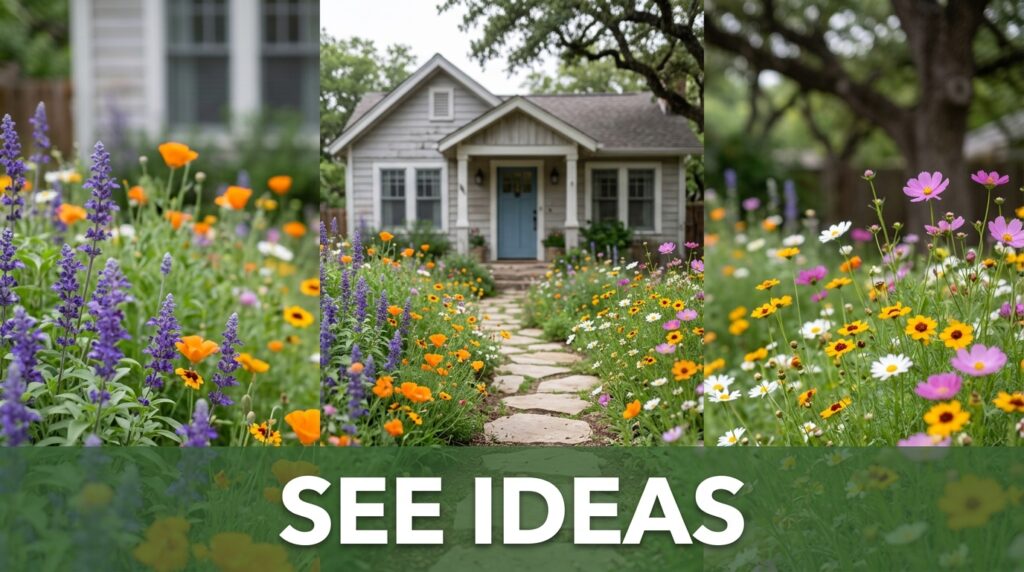
Wildflower gardens offer many advantages compared to traditional lawns.
They require less water once established, making them environmentally friendly and cost-effective.
Wildflowers attract beneficial pollinators such as bees, butterflies, and hummingbirds.
They reduce the need for chemical fertilizers and pesticides.
A wildflower front yard creates a unique and eye-catching appearance that stands out from conventional landscaping.
These gardens also support local ecosystems and contribute to biodiversity conservation.
Benefits of a Wildflower Garden Front Yard
Creating a wildflower garden provides both environmental and aesthetic benefits.
Reduced Maintenance
Traditional lawns require frequent mowing, watering, and fertilizing. Wildflower gardens need significantly less maintenance after establishment.
Increased Biodiversity
A diverse mix of flowers provides food and shelter for pollinators, birds, and beneficial insects.
Water Conservation
Many native wildflowers are drought-tolerant and thrive with minimal irrigation.
Seasonal Beauty
Different flowers bloom throughout the growing season, ensuring continuous color and visual interest.
Improved Curb Appeal
A vibrant wildflower garden adds character and charm to the front of your home.
Planning a Wildflower Garden Front Yard
Proper planning is essential for long-term success.
Start by evaluating sunlight conditions. Most wildflowers prefer full sun and need at least six hours of direct sunlight daily.
Check your soil type and drainage. Wildflowers generally perform best in well-draining soil.
Measure the available space and determine whether you want a formal meadow-style design or a more structured layout.
Consider local climate conditions and choose plants suited to your region.
Choosing Native Wildflowers
Native plants are often the best choice for front yard wildflower gardens.
They are naturally adapted to local weather conditions and require less maintenance.
Native wildflowers also provide the greatest benefits for local pollinators and wildlife.
Examples may include:
- Black-eyed Susan
- Purple Coneflower
- Coreopsis
- Blanket Flower
- Bee Balm
- Milkweed
- Asters
- Goldenrod
Selecting a mix of species ensures year-round interest and ecological value.
Designing a Wildflower Garden Front Yard
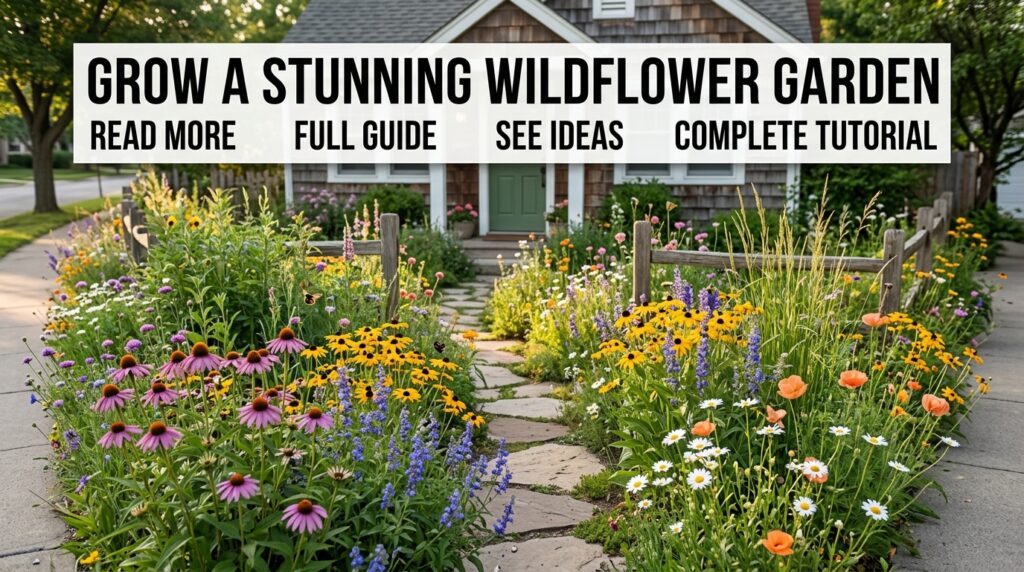
A successful design balances natural beauty with visual structure.
While wildflower gardens are inspired by nature, a front yard should still look intentional and maintained.
Use defined edges, pathways, or borders to create a sense of organization.
Group flowers by height, placing taller plants toward the back and shorter varieties near pathways and sidewalks.
Mix flower colors and bloom times for continuous seasonal displays.
Adding ornamental grasses can provide texture and movement.
Wildflower Garden Layout Ideas
Meadow-Style Front Yard
This design mimics a natural prairie with mixed flowers and grasses.
It creates a relaxed, natural appearance and requires minimal maintenance once established.
Structured Wildflower Borders
Wildflowers are planted within defined beds along walkways and property lines.
This approach combines natural beauty with a tidy appearance.
Cottage-Style Wildflower Garden
A mix of colorful flowers, climbing plants, and informal planting creates a charming and romantic look.
Pollinator Garden Design
Focuses on flowers that attract bees, butterflies, and hummingbirds while providing ecological benefits.
Preparing the Soil
Proper soil preparation improves germination and plant growth.
Remove existing grass, weeds, and debris before planting.
Loosen the soil to improve drainage and root development.
Avoid excessive fertilization, as many wildflowers perform better in moderately fertile soil.
A clean planting area reduces competition and helps seedlings establish successfully.
Planting Wildflower Seeds
Wildflower seeds can be planted in spring or fall depending on local climate conditions.
Mix seeds with sand to improve distribution and ensure even coverage.
Scatter seeds evenly across prepared soil and gently press them into the ground.
Water lightly after planting to support germination.
Avoid burying seeds too deeply, as many wildflower species require sunlight to sprout.
Adding Pathways and Borders
Pathways help create structure and accessibility within a wildflower garden.
Gravel paths, stepping stones, or natural stone walkways work well with meadow-style landscapes.
Borders made from bricks, stone, or metal edging create a polished appearance.
Defined boundaries help neighbors and visitors recognize the garden as an intentional landscape rather than an overgrown area.
Attracting Pollinators
One of the biggest advantages of a wildflower garden is its ability to support pollinators.
Choose flowers rich in nectar and pollen.
Plant a variety of species that bloom from spring through autumn.
Avoid using chemical pesticides that can harm beneficial insects.
Provide shallow water sources and shelter areas for wildlife.
A pollinator-friendly front yard becomes a vibrant ecosystem filled with life and movement.
Seasonal Interest in a Wildflower Garden
Wildflower gardens offer beauty throughout the year.
Spring brings fresh green growth and early blooms.
Summer provides peak flowering with vibrant colors and abundant pollinator activity.
Autumn introduces seed heads, ornamental grasses, and late-season flowers.
Winter offers structure through dried stems and grasses while providing habitat for wildlife.
Maintenance Tips for Wildflower Gardens
Wildflower gardens require less maintenance than traditional lawns but still need occasional care.
Remove invasive weeds before they become established.
Water young plants during dry periods until roots are well developed.
Cut back dead growth once or twice per year if desired.
Allow some seed heads to remain for birds and natural reseeding.
Monitor plant health and make adjustments as needed.
Budget-Friendly Wildflower Garden Ideas
Wildflower gardens are often more affordable than traditional landscaping.
Growing from seed is significantly cheaper than purchasing mature plants.
Native species generally require fewer inputs such as fertilizers and irrigation.
Using natural mulch helps suppress weeds and conserve moisture.
Starting with a small area and expanding gradually can help spread costs over time.
Common Mistakes to Avoid
Avoid planting invasive species that may spread aggressively.
Do not choose flowers that are unsuitable for your climate.
Avoid excessive fertilization, which can encourage weeds.
Do not expect instant results, as wildflower gardens often take time to mature.
Avoid neglecting weed control during the establishment phase.
Environmental Benefits of Wildflower Gardens
Wildflower gardens contribute positively to the environment.
They provide habitat for pollinators and beneficial insects.
They reduce water consumption compared to lawns.
They help improve soil health and reduce erosion.
They support local biodiversity and ecological balance.
A front yard wildflower garden is both beautiful and environmentally responsible.
Final Thoughts
A wildflower garden front yard is a stunning alternative to traditional landscaping. By replacing large areas of lawn with colorful native flowers and pollinator-friendly plants, you can create a vibrant outdoor space that benefits both your home and the environment.
With careful planning, appropriate plant selection, and simple maintenance practices, a wildflower front yard can provide year-round beauty while supporting local wildlife and reducing gardening costs. Whether you prefer a natural meadow look or a more structured design, wildflowers offer endless opportunities to create a unique and welcoming landscape.
A well-designed wildflower garden is more than just a collection of flowers—it is a living ecosystem that brings color, movement, and natural beauty to your front yard for years to come.
A wildflower garden front yard is one of the most attractive and eco-friendly ways to transform the area in front of your home. Instead of a traditional lawn that requires constant mowing, watering, and maintenance, a wildflower garden brings vibrant colors, natural beauty, and valuable habitat for pollinators. Filled with native flowers, butterflies, bees, and seasonal blooms, a wildflower front yard creates a welcoming and dynamic landscape that changes throughout the year.
Wildflower gardens are growing in popularity because they are sustainable, visually stunning, and beneficial to local ecosystems. Whether you have a small suburban front yard or a larger property, a carefully planned wildflower garden can dramatically improve curb appeal while reducing maintenance costs and water usage.
This complete guide explores wildflower garden front yard ideas, planning tips, plant selection, design strategies, maintenance, and benefits to help you create a thriving natural landscape.
What is a Wildflower Garden Front Yard?
A wildflower garden front yard is a landscaped area that uses a mix of flowering plants, native species, grasses, and pollinator-friendly plants to create a natural-looking outdoor space.
Unlike formal gardens with neatly arranged flower beds, wildflower gardens mimic natural meadows. They feature a variety of flowers that bloom at different times throughout the year, creating continuous color and interest.
The goal is to combine beauty with biodiversity while supporting local wildlife and reducing environmental impact.
Why Choose a Wildflower Garden for Your Front Yard?
Wildflower gardens offer many advantages compared to traditional lawns.
They require less water once established, making them environmentally friendly and cost-effective.
Wildflowers attract beneficial pollinators such as bees, butterflies, and hummingbirds.
They reduce the need for chemical fertilizers and pesticides.
A wildflower front yard creates a unique and eye-catching appearance that stands out from conventional landscaping.
These gardens also support local ecosystems and contribute to biodiversity conservation.
Benefits of a Wildflower Garden Front Yard
Creating a wildflower garden provides both environmental and aesthetic benefits.
Reduced Maintenance
Traditional lawns require frequent mowing, watering, and fertilizing. Wildflower gardens need significantly less maintenance after establishment.
Increased Biodiversity
A diverse mix of flowers provides food and shelter for pollinators, birds, and beneficial insects.
Water Conservation
Many native wildflowers are drought-tolerant and thrive with minimal irrigation.
Seasonal Beauty
Different flowers bloom throughout the growing season, ensuring continuous color and visual interest.
Improved Curb Appeal
A vibrant wildflower garden adds character and charm to the front of your home.
Planning a Wildflower Garden Front Yard
Proper planning is essential for long-term success.
Start by evaluating sunlight conditions. Most wildflowers prefer full sun and need at least six hours of direct sunlight daily.
Check your soil type and drainage. Wildflowers generally perform best in well-draining soil.
Measure the available space and determine whether you want a formal meadow-style design or a more structured layout.
Consider local climate conditions and choose plants suited to your region.
Choosing Native Wildflowers
Native plants are often the best choice for front yard wildflower gardens.
They are naturally adapted to local weather conditions and require less maintenance.
Native wildflowers also provide the greatest benefits for local pollinators and wildlife.
Examples may include:
- Black-eyed Susan
- Purple Coneflower
- Coreopsis
- Blanket Flower
- Bee Balm
- Milkweed
- Asters
- Goldenrod
Selecting a mix of species ensures year-round interest and ecological value.
Designing a Wildflower Garden Front Yard
A successful design balances natural beauty with visual structure.
While wildflower gardens are inspired by nature, a front yard should still look intentional and maintained.
Use defined edges, pathways, or borders to create a sense of organization.
Group flowers by height, placing taller plants toward the back and shorter varieties near pathways and sidewalks.
Mix flower colors and bloom times for continuous seasonal displays.
Adding ornamental grasses can provide texture and movement.
Wildflower Garden Layout Ideas
Meadow-Style Front Yard
This design mimics a natural prairie with mixed flowers and grasses.
It creates a relaxed, natural appearance and requires minimal maintenance once established.
Structured Wildflower Borders
Wildflowers are planted within defined beds along walkways and property lines.
This approach combines natural beauty with a tidy appearance.
Cottage-Style Wildflower Garden
A mix of colorful flowers, climbing plants, and informal planting creates a charming and romantic look.
Pollinator Garden Design
Focuses on flowers that attract bees, butterflies, and hummingbirds while providing ecological benefits.
Preparing the Soil
Proper soil preparation improves germination and plant growth.
Remove existing grass, weeds, and debris before planting.
Loosen the soil to improve drainage and root development.
Avoid excessive fertilization, as many wildflowers perform better in moderately fertile soil.
A clean planting area reduces competition and helps seedlings establish successfully.
Planting Wildflower Seeds
Wildflower seeds can be planted in spring or fall depending on local climate conditions.
Mix seeds with sand to improve distribution and ensure even coverage.
Scatter seeds evenly across prepared soil and gently press them into the ground.
Water lightly after planting to support germination.
Avoid burying seeds too deeply, as many wildflower species require sunlight to sprout.
Adding Pathways and Borders
Pathways help create structure and accessibility within a wildflower garden.
Gravel paths, stepping stones, or natural stone walkways work well with meadow-style landscapes.
Borders made from bricks, stone, or metal edging create a polished appearance.
Defined boundaries help neighbors and visitors recognize the garden as an intentional landscape rather than an overgrown area.
Attracting Pollinators
One of the biggest advantages of a wildflower garden is its ability to support pollinators.
Choose flowers rich in nectar and pollen.
Plant a variety of species that bloom from spring through autumn.
Avoid using chemical pesticides that can harm beneficial insects.
Provide shallow water sources and shelter areas for wildlife.
A pollinator-friendly front yard becomes a vibrant ecosystem filled with life and movement.
Seasonal Interest in a Wildflower Garden
Wildflower gardens offer beauty throughout the year.
Spring brings fresh green growth and early blooms.
Summer provides peak flowering with vibrant colors and abundant pollinator activity.
Autumn introduces seed heads, ornamental grasses, and late-season flowers.
Winter offers structure through dried stems and grasses while providing habitat for wildlife.
Maintenance Tips for Wildflower Gardens
Wildflower gardens require less maintenance than traditional lawns but still need occasional care.
Remove invasive weeds before they become established.
Water young plants during dry periods until roots are well developed.
Cut back dead growth once or twice per year if desired.
Allow some seed heads to remain for birds and natural reseeding.
Monitor plant health and make adjustments as needed.
Budget-Friendly Wildflower Garden Ideas
Wildflower gardens are often more affordable than traditional landscaping.
Growing from seed is significantly cheaper than purchasing mature plants.
Native species generally require fewer inputs such as fertilizers and irrigation.
Using natural mulch helps suppress weeds and conserve moisture.
Starting with a small area and expanding gradually can help spread costs over time.
Common Mistakes to Avoid
Avoid planting invasive species that may spread aggressively.
Do not choose flowers that are unsuitable for your climate.
Avoid excessive fertilization, which can encourage weeds.
Do not expect instant results, as wildflower gardens often take time to mature.
Avoid neglecting weed control during the establishment phase.
Environmental Benefits of Wildflower Gardens
Wildflower gardens contribute positively to the environment.
They provide habitat for pollinators and beneficial insects.
They reduce water consumption compared to lawns.
They help improve soil health and reduce erosion.
They support local biodiversity and ecological balance.
A front yard wildflower garden is both beautiful and environmentally responsible.
Final Thoughts
A wildflower garden front yard is a stunning alternative to traditional landscaping. By replacing large areas of lawn with colorful native flowers and pollinator-friendly plants, you can create a vibrant outdoor space that benefits both your home and the environment.
With careful planning, appropriate plant selection, and simple maintenance practices, a wildflower front yard can provide year-round beauty while supporting local wildlife and reducing gardening costs. Whether you prefer a natural meadow look or a more structured design, wildflowers offer endless opportunities to create a unique and welcoming landscape.
A well-designed wildflower garden is more than just a collection of flowers—it is a living ecosystem that brings color, movement, and natural beauty to your front yard for years to come.