
 By John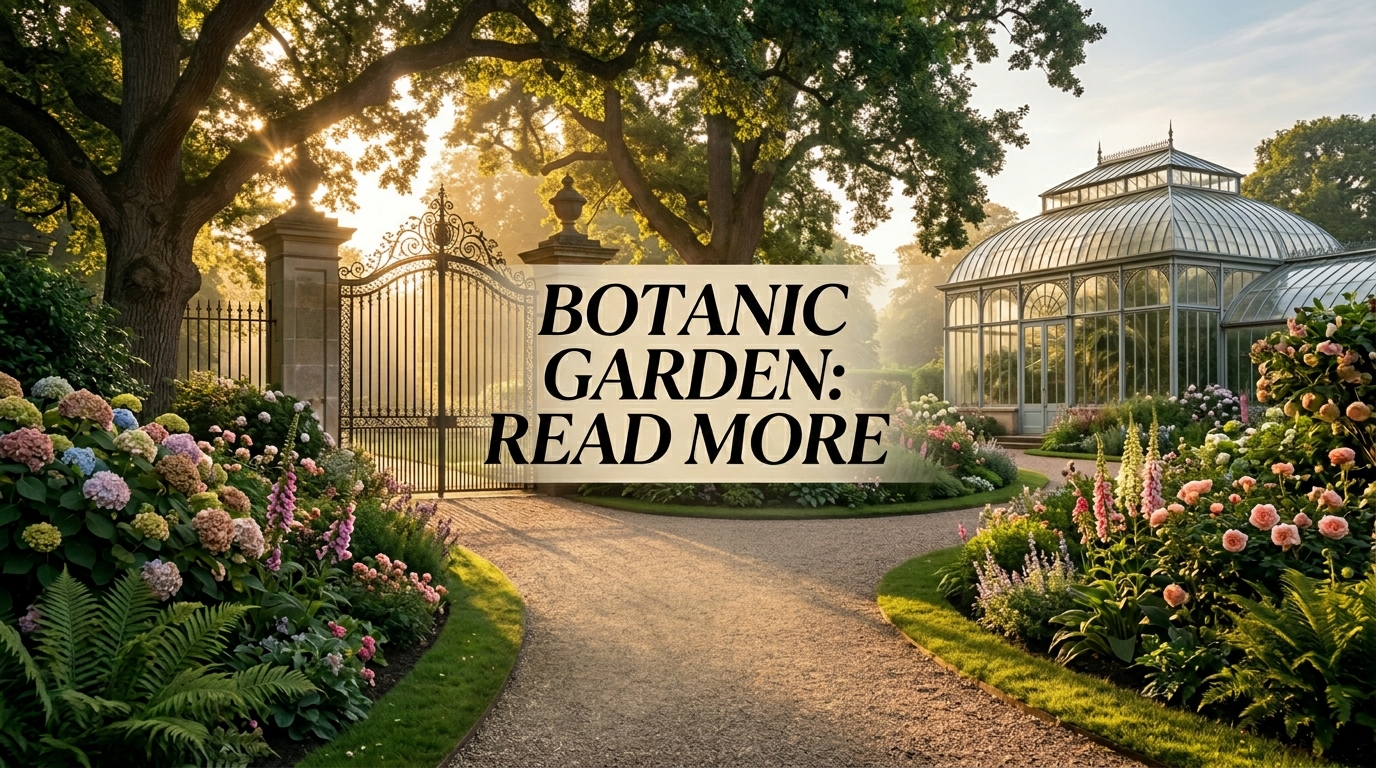
A botanic garden is a specially designed garden dedicated to the collection, cultivation, display, and study of a wide variety of plants. Unlike home gardens that focus mainly on decoration or food production, botanic gardens are created for education, conservation, research, and public enjoyment. They showcase plants from different climates, ecosystems, and regions, making them one of the most important green spaces in the world.
Botanic gardens are often peaceful, beautifully landscaped places where visitors can explore themed plant collections, learn about biodiversity, and experience nature in a structured and informative environment. From tropical plant houses to medicinal herb gardens and rare plant conservatories, these spaces play a vital role in protecting plant life and spreading environmental awareness.
This complete guide explores botanic garden features, design ideas, plant collections, purposes, benefits, and famous styles to help you understand their importance and structure.
What is a Botanic Garden?
A botanic garden is a scientific and educational institution that maintains documented collections of living plants. Each plant is labeled with its scientific name and information about its origin, habitat, and uses.
These gardens are managed by experts such as botanists and horticulturists and often collaborate with universities, research centers, and conservation organizations.
The main purpose is not only beauty but also learning, preservation, and scientific study.
Purpose of a Botanic Garden

Botanic gardens serve multiple important roles.
One of the primary purposes is plant conservation. Many rare and endangered plant species are protected in controlled environments.
They also support scientific research by allowing studies on plant biology, ecology, and genetics.
Education is another key goal, helping students and visitors learn about plant diversity and environmental awareness.
Botanic gardens also promote tourism and recreation by offering peaceful, scenic environments for the public.
Key Features of a Botanic Garden
Botanic gardens are carefully organized and often include several distinct sections.
Plant Collections
These include categorized groups such as tropical plants, desert plants, medicinal herbs, and ornamental flowers.
Greenhouses and Conservatories
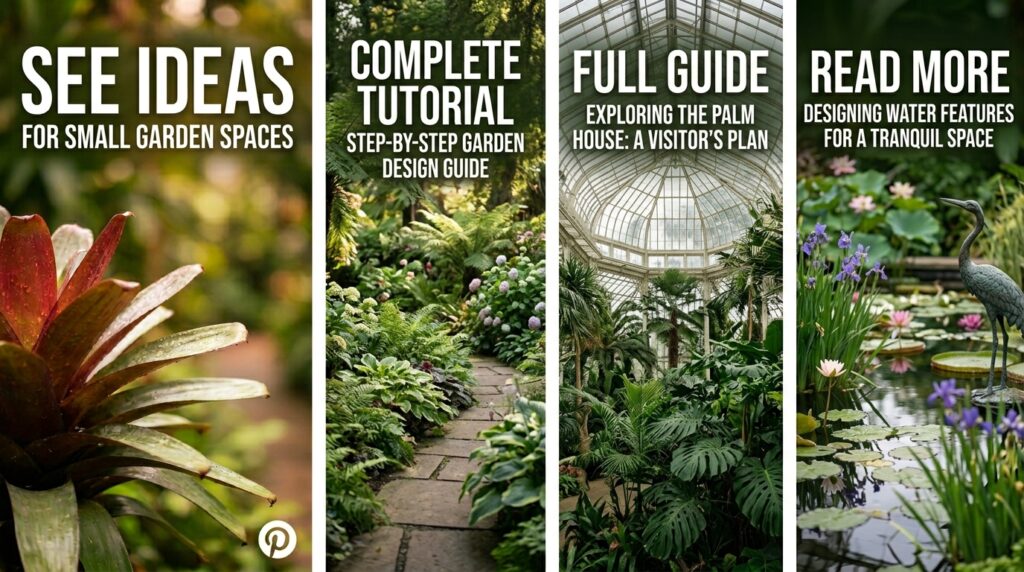
Controlled environments that house plants requiring specific climates.
Themed Gardens
Sections like rose gardens, cactus gardens, Japanese gardens, or butterfly gardens.
Water Features
Ponds, fountains, and streams that support aquatic plants and create natural beauty.
Walking Paths
Clearly marked pathways guide visitors through different plant zones.
Tropical Botanic Garden Section
Tropical sections showcase plants from warm, humid climates.
These areas often include large leafy plants, palms, orchids, and ferns.
Humidity and temperature are carefully controlled in indoor tropical houses.
Waterfalls and mist systems are often added to replicate rainforest conditions.
Desert Botanic Garden Section

Desert gardens feature plants adapted to dry climates.
Cacti, succulents, and agave species are commonly displayed.
These plants require minimal water and are arranged in sandy, rocky landscapes.
Desert sections demonstrate survival strategies of plants in extreme environments.
Medicinal Plant Garden
Medicinal plant sections are dedicated to plants used in traditional and modern medicine.
Examples include aloe vera, neem, basil, and chamomile.
Information boards explain their healing properties and uses.
These gardens are often used for educational and research purposes.
Rose and Flower Garden Section

Flower gardens are among the most visually attractive areas.
Roses, tulips, lilies, marigolds, and seasonal blooms are arranged in patterns and color themes.
These sections are designed for beauty, fragrance, and relaxation.
They are also popular photography spots for visitors.
Japanese-Style Botanic Garden Section
Many botanic gardens include Japanese-inspired landscapes.
These feature koi ponds, stone lanterns, wooden bridges, and carefully pruned trees.
The design emphasizes balance, simplicity, and harmony with nature.
It is often used as a quiet meditation area within the garden.
Botanical Conservatories and Greenhouses
Greenhouses are essential structures in botanic gardens.
They allow plants from different climates to grow in controlled environments.
Some conservatories specialize in orchids, carnivorous plants, or rainforest ecosystems.
These structures also protect sensitive plant species from harsh weather conditions.
Educational Importance of Botanic Gardens
Botanic gardens play a major role in education.
Students learn about plant classification, ecosystems, and environmental science.
Guided tours and information boards help visitors understand plant diversity.
Workshops and research programs are often conducted within these spaces.
They also raise awareness about climate change and conservation efforts.
Conservation Role of Botanic Gardens
One of the most important roles of botanic gardens is conservation.
Many endangered plant species are preserved and propagated in controlled environments.
Seed banks are often maintained to protect genetic diversity.
Reintroduction programs help restore plants to their natural habitats.
Botanic gardens act as living libraries of plant life.
Design Principles of a Botanic Garden
Botanic gardens are carefully designed for both beauty and function.
Plants are grouped based on climate, geography, or species type.
Pathways are designed to guide visitors through a logical learning experience.
Labels and signage provide scientific and educational information.
Open spaces and seating areas allow visitors to relax and observe nature.
Famous Types of Botanic Garden Layouts
Different botanic gardens follow different design styles.
Formal Layouts
Structured designs with symmetrical pathways and organized plant beds.
Naturalistic Layouts
Designed to mimic natural ecosystems like forests, wetlands, or grasslands.
Themed Layouts
Focused on specific plant groups or cultural styles.
Hybrid Layouts
A combination of formal and natural design elements.
Water Features in Botanic Gardens
Water plays an important role in botanic garden design.
Ponds support aquatic plants like lilies and lotus.
Streams and waterfalls create natural soundscapes.
Water features also help maintain humidity in surrounding areas.
They enhance both ecological balance and visitor experience.
Pathways and Visitor Experience
Walking paths are essential in botanic gardens.
They guide visitors through different plant zones in a structured way.
Materials like stone, gravel, and wood are commonly used.
Pathways are designed to be accessible, safe, and visually pleasing.
Benefits of Visiting a Botanic Garden
Visiting a botanic garden offers many benefits.
It provides relaxation and stress relief through natural surroundings.
It increases knowledge about plants and ecosystems.
It encourages appreciation for biodiversity and conservation.
It also offers photography, recreation, and educational opportunities.
Common Plants Found in Botanic Gardens
Botanic gardens include a wide variety of plants such as:
- Orchids
- Ferns
- Palms
- Cacti
- Roses
- Bonsai trees
- Aquatic plants
- Medicinal herbs
This diversity helps represent global plant ecosystems.
Maintenance of Botanic Gardens
Botanic gardens require professional maintenance.
Plants are regularly pruned, watered, and monitored.
Soil conditions and humidity levels are carefully controlled.
Pest management is done using eco-friendly methods.
Conservation teams ensure rare species are protected.
Challenges in Botanic Gardens
Managing botanic gardens comes with challenges.
Climate control for exotic plants can be expensive.
Protecting rare species requires constant monitoring.
Maintaining large collections requires skilled staff and funding.
Pests and diseases must be carefully managed without harming ecosystems.
Future of Botanic Gardens
Botanic gardens are evolving with modern technology.
Digital labeling and QR codes are replacing traditional signs.
Smart irrigation systems improve water efficiency.
Climate-controlled domes allow year-round plant conservation.
More focus is being placed on sustainability and education.
Final Thoughts
A botanic garden is far more than a beautiful outdoor space. It is a living museum of plants, a center for scientific research, and a place for environmental education and conservation. By showcasing plant diversity from around the world, botanic gardens help people understand the importance of protecting nature.
Whether you visit for relaxation, learning, or inspiration, a botanic garden offers a unique experience that connects you deeply with the natural world.
In an era where environmental awareness is more important than ever, botanic gardens play a crucial role in preserving biodiversity and inspiring future generations to care for the planet.